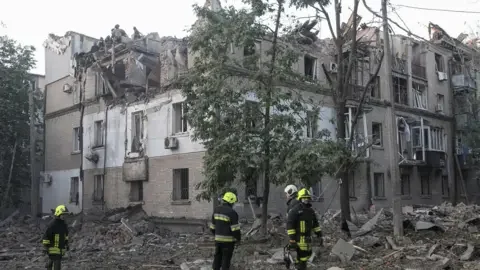
As of 06:20 AM on April 7, 2026, confirmed reports indicate at least 22 civilians were killed and over 100 wounded following a widespread aerial offensive launched by Russia. The barrage, occurring across multiple Ukrainian regions, follows warnings from President Volodymyr Zelenskyy regarding an anticipated intensification of military operations.

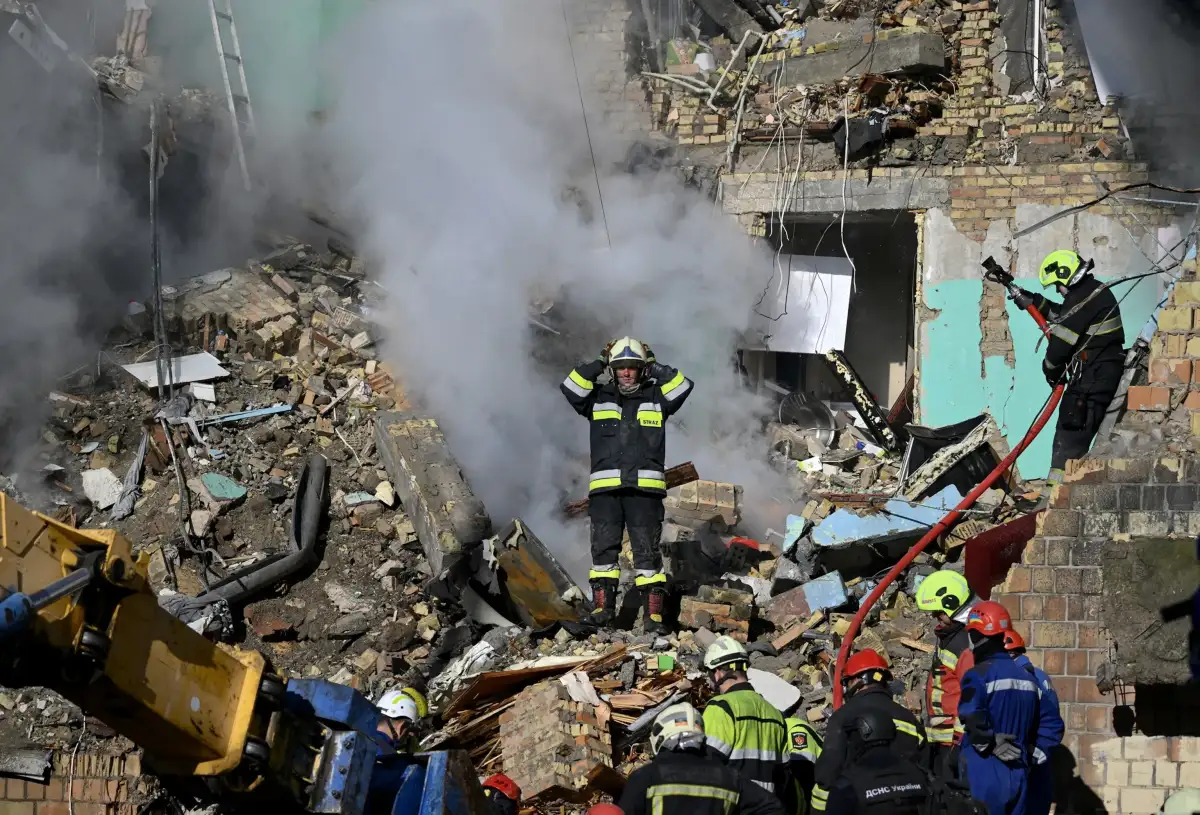
The assault involved 74 missiles and nearly 500 drones targeting energy facilities and civilian infrastructure. Ukrainian defense forces reportedly intercepted a portion of these weapons, yet impacts were recorded in at least 33 distinct locations, including residential blocks.
Strike Distribution and Defense Response
Data provided by the Ukrainian Air Force highlights the sheer scale of the overnight engagement:
| Weapon Type | Launched | Intercepted/Suppressed |
|---|---|---|
| Missiles | 74 | 48 |
| Drones | ~500 | 476 |
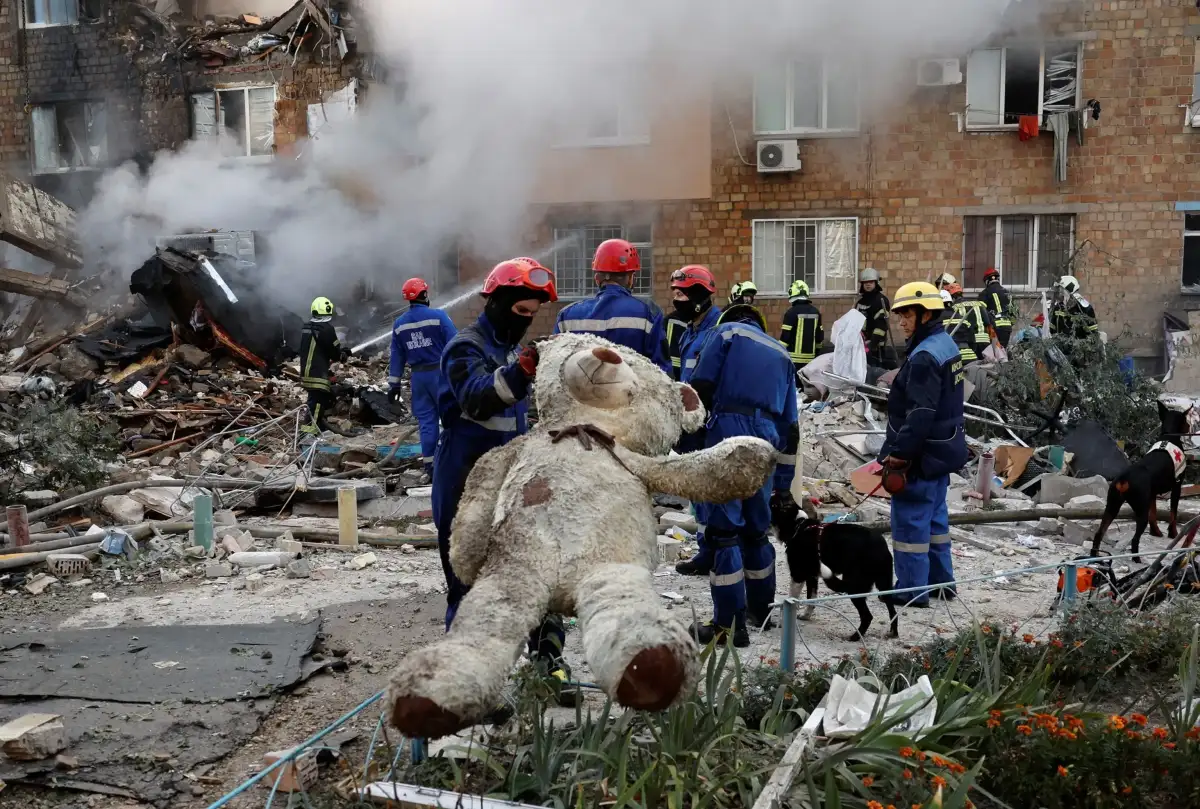
The casualties include children, with 16 deaths reported in the Dnipro region alone and 6 deaths within Kyiv.
Falling debris from intercepted hardware reportedly damaged infrastructure across 15 separate locations in the capital.
Thousands of residents sought shelter in the Kyiv Metro system, marking the highest usage of subterranean refuge in several years.
Strategic Context and Retaliation
Moscow has framed the bombardment as Retaliation for recent long-range Ukrainian strikes directed at Russian energy assets and oil refineries. Kremlin spokesman Dmitry Peskov stated that Russia intends to sustain current levels of military pressure as the conflict deepens.
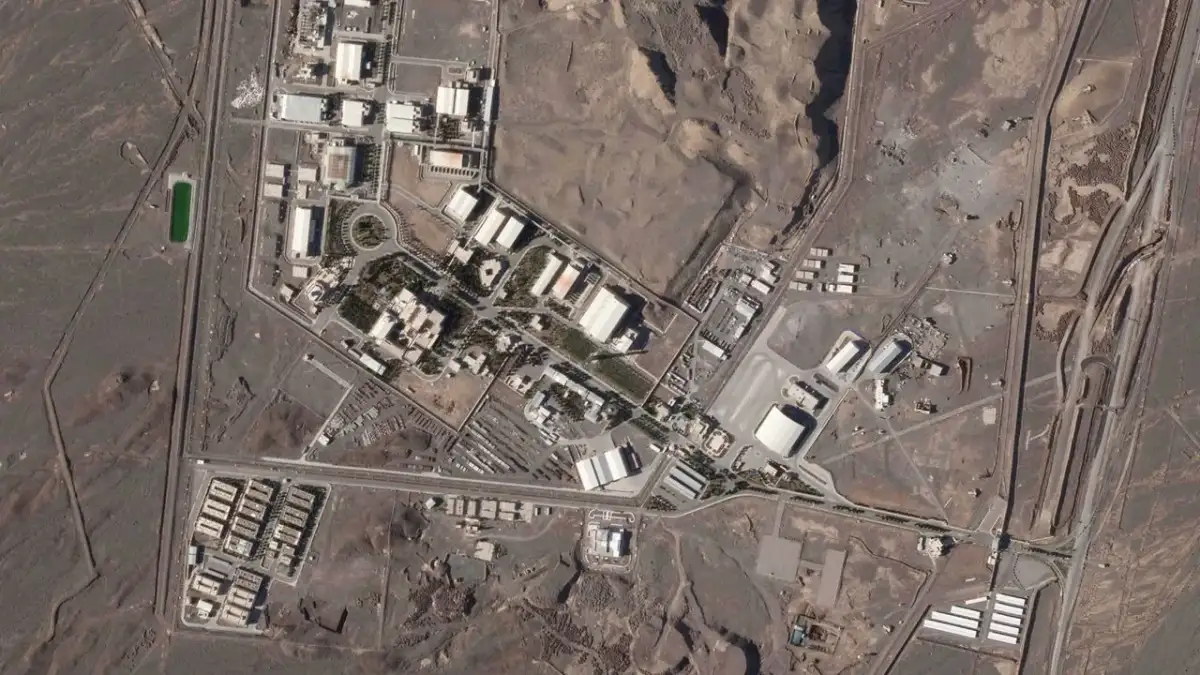
Read More: Iran Zagros Mountain Nuclear Site Construction Update April 2026

In response, President Zelenskyy has renewed calls for European allies to develop autonomous Air Defense networks. Ukrainian officials assert that the nature of these attacks—specifically the use of hypersonic Tsirkon missiles—signals a shift in Moscow’s tactical options as the multi-year invasion persists.
The current atmosphere in Kyiv remains volatile, with military administration officials reporting that the physical damage spans at least 30 distinct zones, further straining emergency services and the nation’s Civilian Infrastructure.