

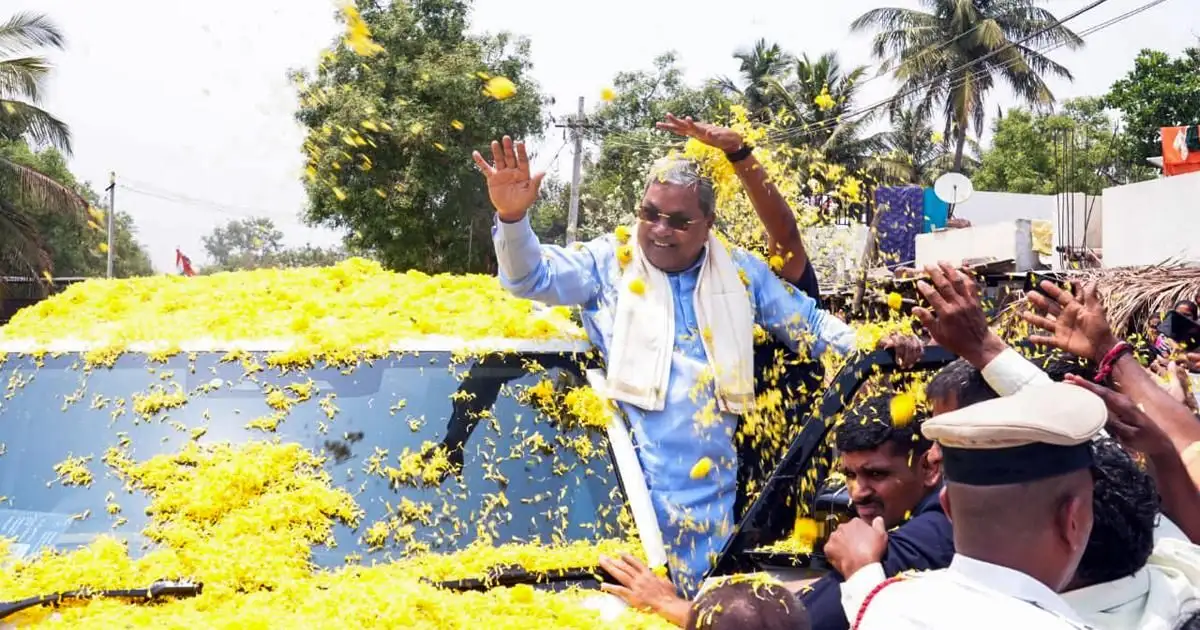
Amidst ongoing bypolls, the political discourse in Karnataka is a complex tapestry woven with threads of familial nominations, leadership claims, and the ever-present shadow of the party's "high command." Chief Minister Siddaramaiah navigates these currents with pronouncements that oscillate between steadfast assertion and deferral to central authority.
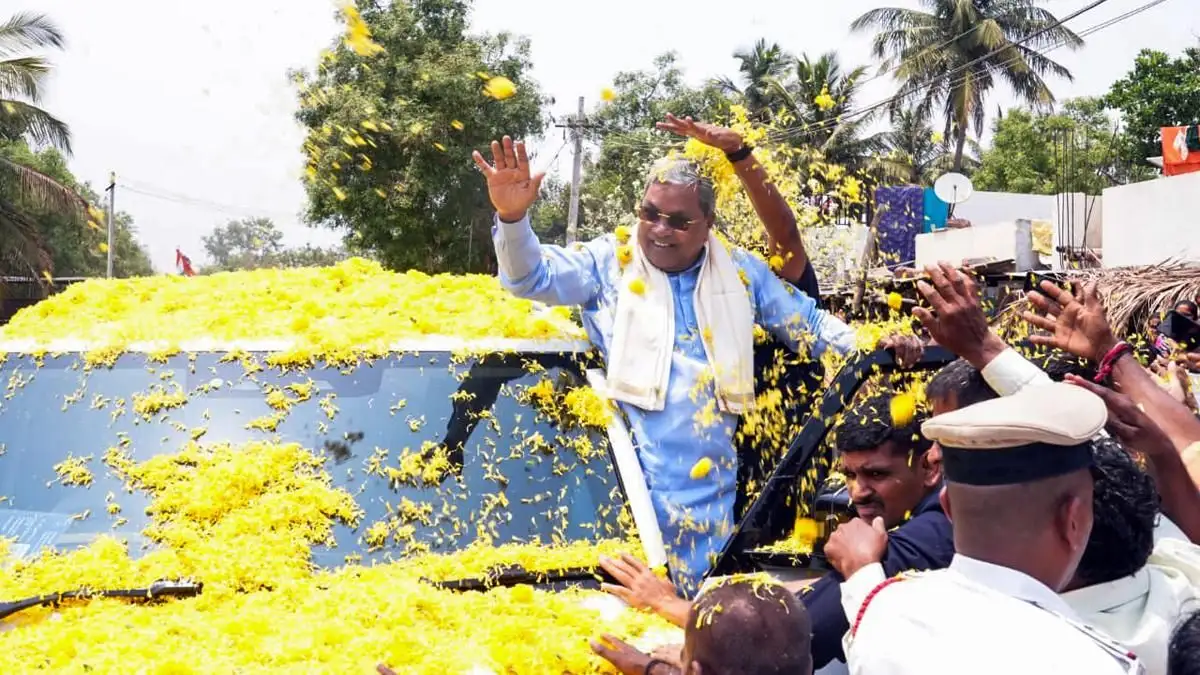
The core of the current contention appears to center on an alleged, yet officially denied, power-sharing arrangement between Chief Minister Siddaramaiah and Deputy Chief Minister D.K. Shivakumar. This ambiguity fuels constant speculation regarding leadership changes. While Siddaramaiah has repeatedly stated that the government will remain in power for another two years and that he will continue as Chief Minister, he simultaneously emphasizes that the 'high command' holds the ultimate decision-making power regarding his tenure.

Navigating the Bypoll Storm: Family Ties and Party Lines
The upcoming bypolls in Bagalkot and Davangere South have become a focal point, marked by the nomination of individuals with existing family connections to party stalwarts. In Bagalkot, Umesh Meti, son of the late Congress MLA H.Y. Meti, has been nominated. Similarly, Samarth Mallikarjun, grandson of the late Shamanur Shivashankarappa and son of Minister S.S. Mallikarjun, is the party's choice for Davangere South.
Read More: Taiwan Holds Nantou County Drills to Prepare for State Collapse
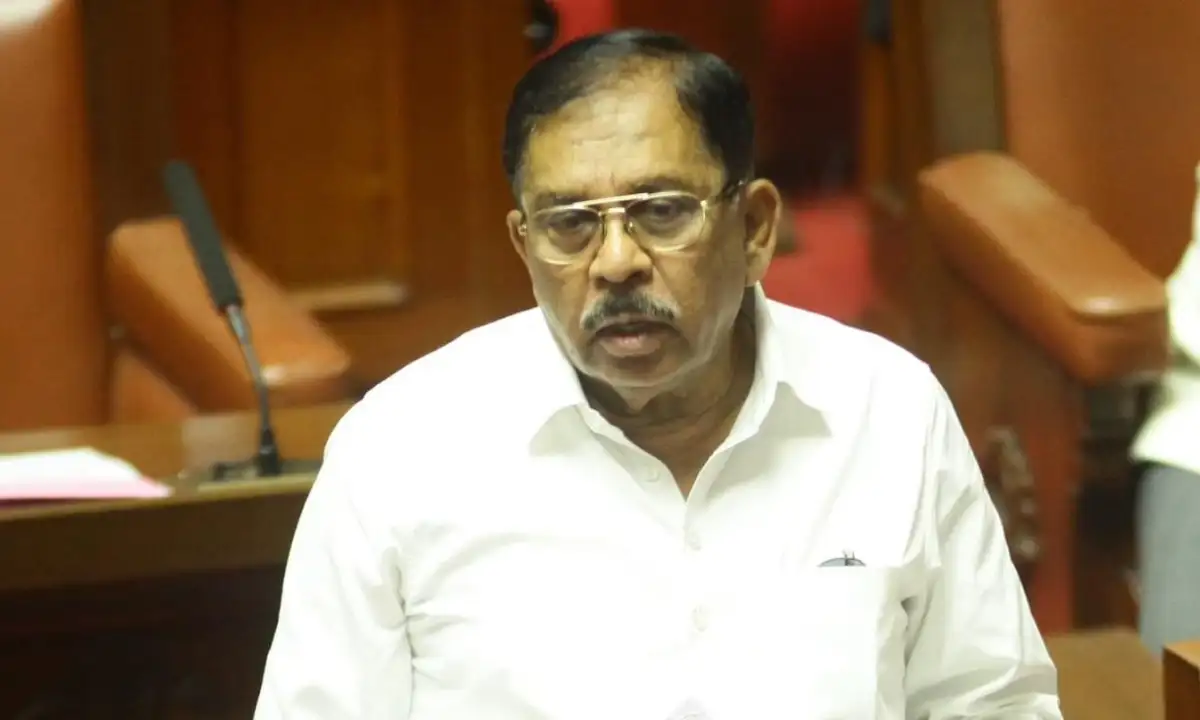
Deputy Chief Minister D.K. Shivakumar, also the state Congress chief, has publicly defended these nominations, questioning which political party doesn't engage in "family politics." He asserts that while other aspirants existed, the party ultimately decided to "stick to the family" for these particular contests.
Siddaramaiah himself has acknowledged the "contention" of the Meti family for the Bagalkot ticket, while also indicating that the final decision rests with the "high command." He has also assured other aspirants within the Meti family that their aspirations would be considered for future opportunities.
The Persistent Echo of Power-Sharing
The notion of a power-sharing pact, allegedly agreed upon at the time of government formation, continues to surface, particularly as the government crosses the midpoint of its term.
Siddaramaiah has consistently refuted any such formal agreement, asserting his intention to complete a full term as Chief Minister. He has characterized claims of a power-sharing deal as speculation, stating, "I never said that I will be the Chief Minister for two-and-a-half years."
Conversely, D.K. Shivakumar, while at times echoing the sentiment that the "high command is with him [Siddaramaiah]," has also alluded to an "understanding" or a "pact." He has indicated that a decision on the leadership issue is expected, particularly following meetings with central party leadership.
Statements from Siddaramaiah regarding the 'high command' making the final call on his continuation as Chief Minister have been a recurring theme, particularly in the context of leadership discussions. He has also pointed to central leaders like Rahul Gandhi as being part of the decision-making process for power sharing.
Political Maneuvering and Party Command
The Karnataka government, led by the Congress, finds itself in a delicate balancing act, with internal party dynamics heavily influencing public pronouncements.
Siddaramaiah has expressed his frustration with persistent questions about leadership changes, urging reporters to focus on other matters.
Senior Congress legislators have reportedly planned to travel to New Delhi after the bypolls to discuss Cabinet reshuffle matters with the party's top leadership, indicating a potential recalibration of ministerial berths. Home Minister G. Parameshwara has stated that decisions regarding Cabinet changes are the prerogative of the "high command and Chief Minister Siddaramaiah."
The BJP, through state unit president B.Y. Vijayendra, has accused the Congress of "betray[ing] minorities only to gain power" and suggested that Siddaramaiah's position as Chief Minister is not permanent.
The consistent refrain from Siddaramaiah and other party figures points towards the ultimate authority resting with the 'high command' – a central entity whose directives, whether explicit or implicit, appear to be the final arbiter in the ongoing political narrative of Karnataka.






