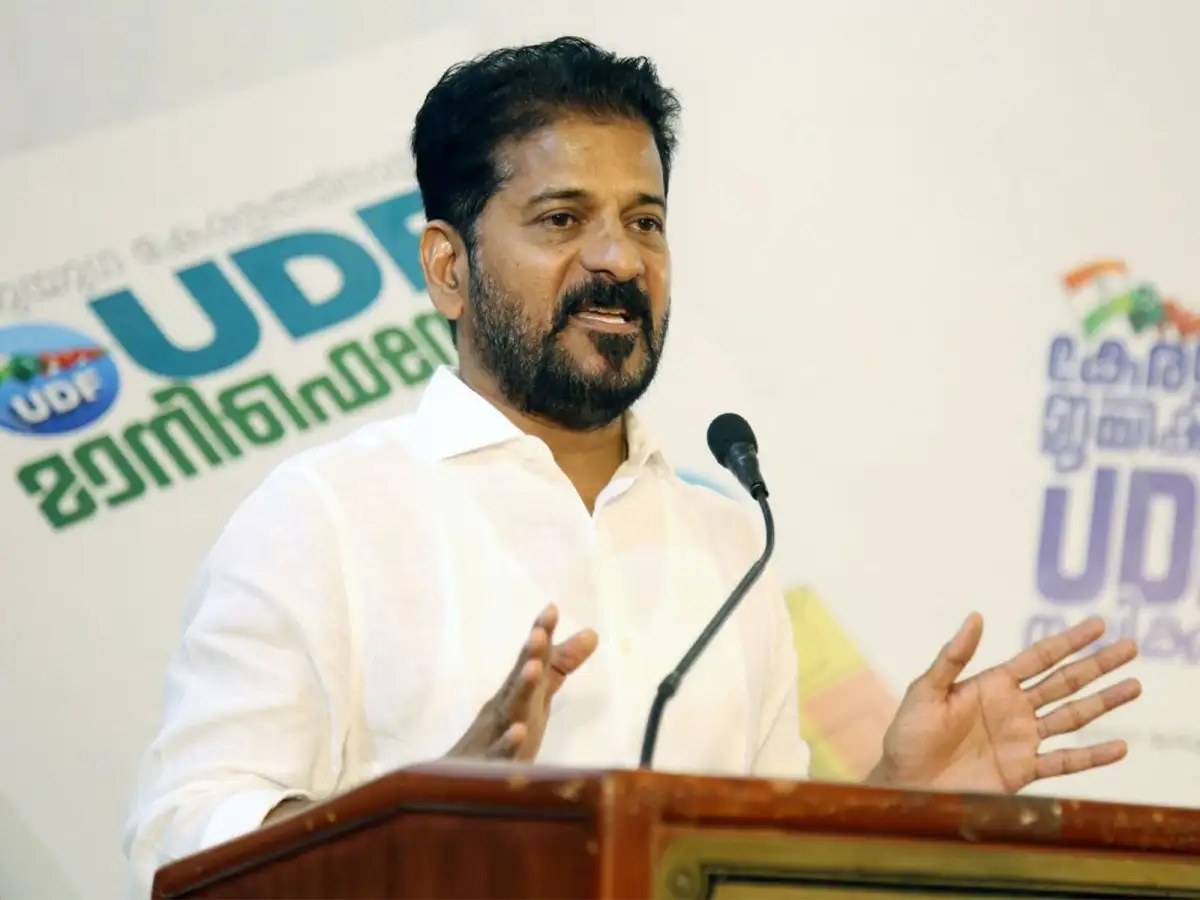
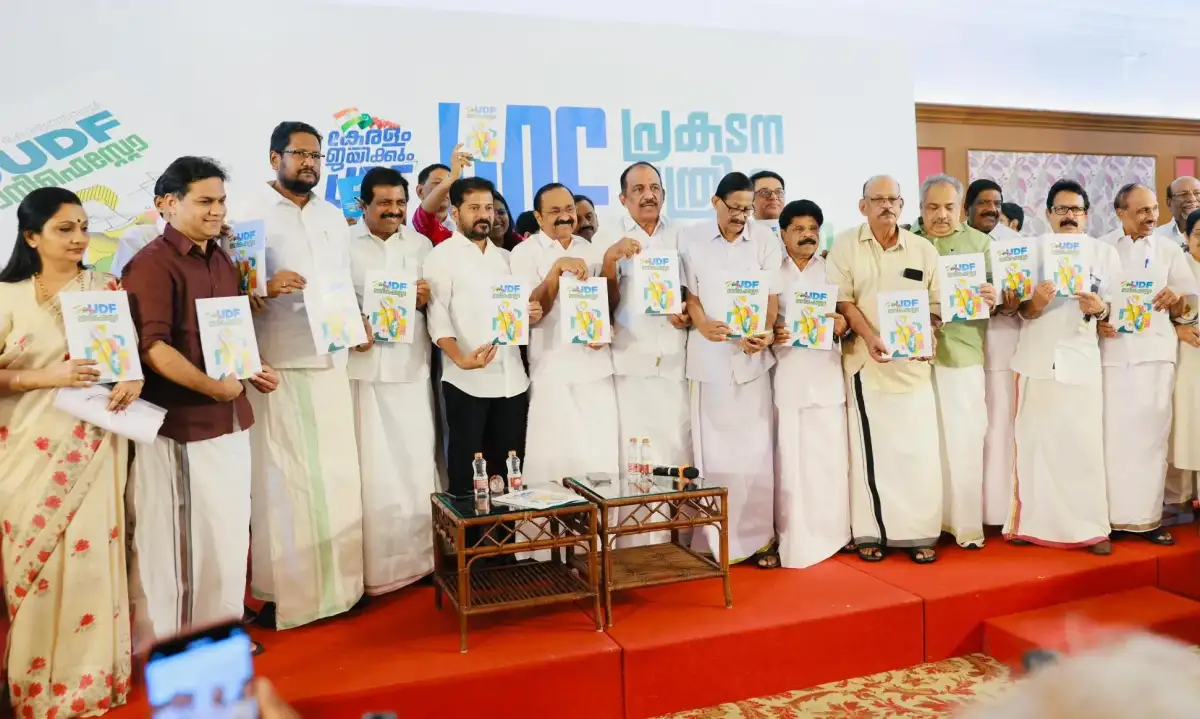
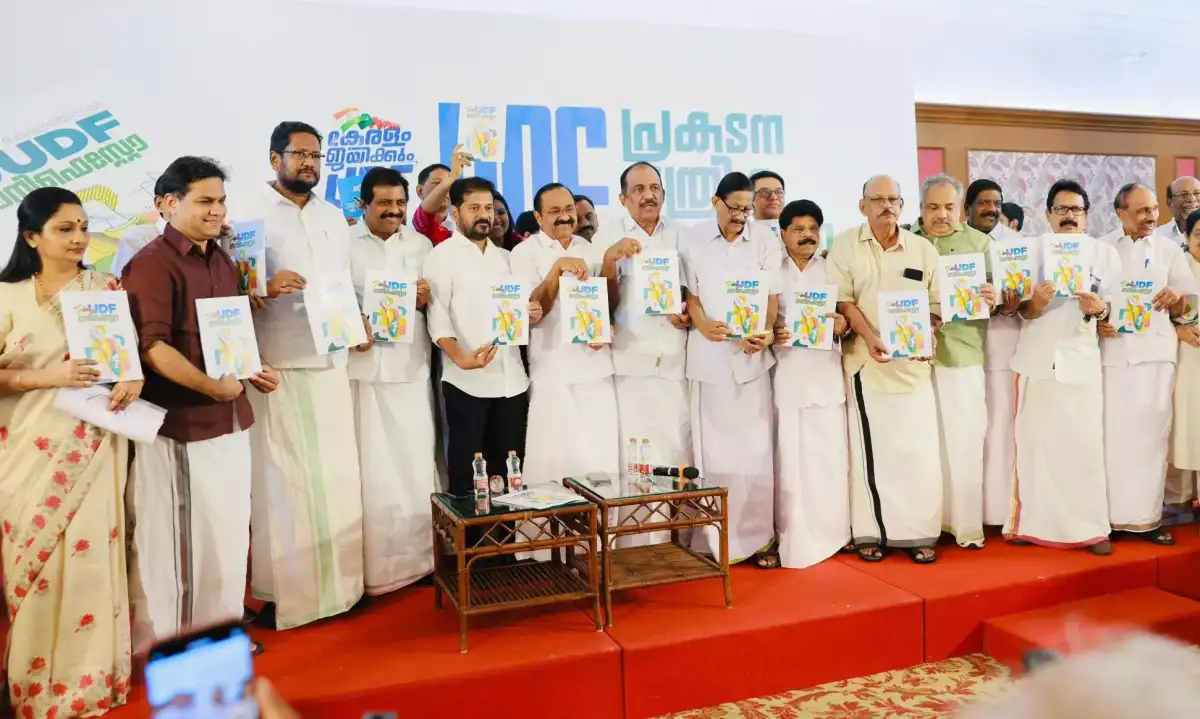
Telangana Chief Minister Revanth Reddy's campaign trail in Kerala, ostensibly to bolster the United Democratic Front (UDF), has become a focal point for sharp exchanges. Reddy launched a pointed critique against the Pinarayi Vijayan-led government, heralding the imminent end of a "dark era" and the dawn of a "golden era" under the UDF. His pronouncements, made during the release of the UDF's manifesto in Kochi, painted the upcoming polls as a decisive political turning point, suggesting public sentiment was turning against the ruling dispensation. The UDF manifesto itself outlines a series of promises, notably "Indira's Five Guarantees," which include measures like free bus travel for women, financial aid for female students, increased welfare pensions, substantial health insurance, and interest-free loans for self-employment initiatives. The current assembly's tenure is slated to conclude on May 23.
Read More: Taiwan Holds Nantou County Drills to Prepare for State Collapse
Opposition Flak and Political Maneuvers
Reddy's remarks have not resonated universally, drawing criticism from various quarters. The Telangana CPI(M) Secretary, John Wesley, openly rebuked Reddy for his commentary on Vijayan, particularly the assertion that the Kerala CM was a "shadow of Prime Minister Modi." Wesley also pointedly questioned the Telangana government's own delivery on promises, citing unmet financial support for agricultural laborers and tenant farmers. He contrasted this with Kerala's self-proclaimed status as a poverty-free state, challenging Reddy on similar achievements.
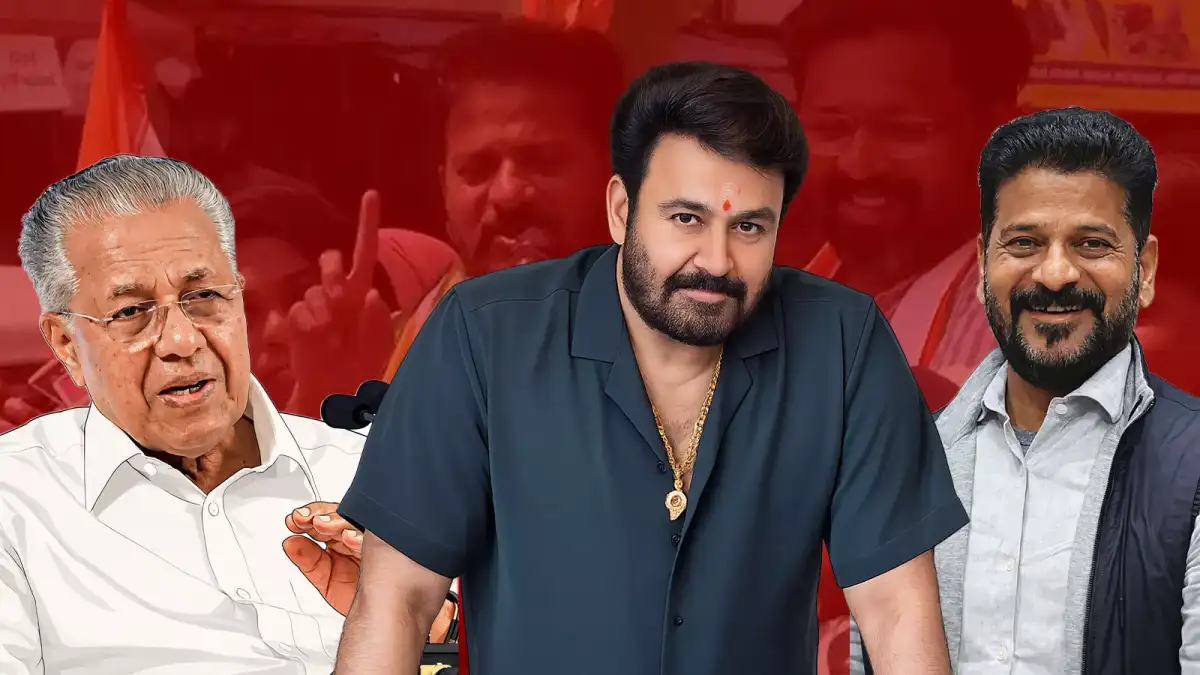
Meanwhile, the State BJP has labelled Reddy's comments as "irresponsible" and "frivolous." N.V. Subash, the BJP's State Chief Spokesperson, argued that Reddy's attempts to equate Vijayan and Prime Minister Narendra Modi displayed "political immaturity" and undermined the dignity of constitutional offices. Subash also highlighted what he termed the Congress party's "duplicity," suggesting a pattern of tactical alliances at the national level clashing with opposition in states like Kerala, thus exposing the party's opportunism.
Read More: Kerala Health and AYUSH Departments Link for Dengue Control in 2026
Echoes and Rebuttals: The Telangana Model as a Benchmark
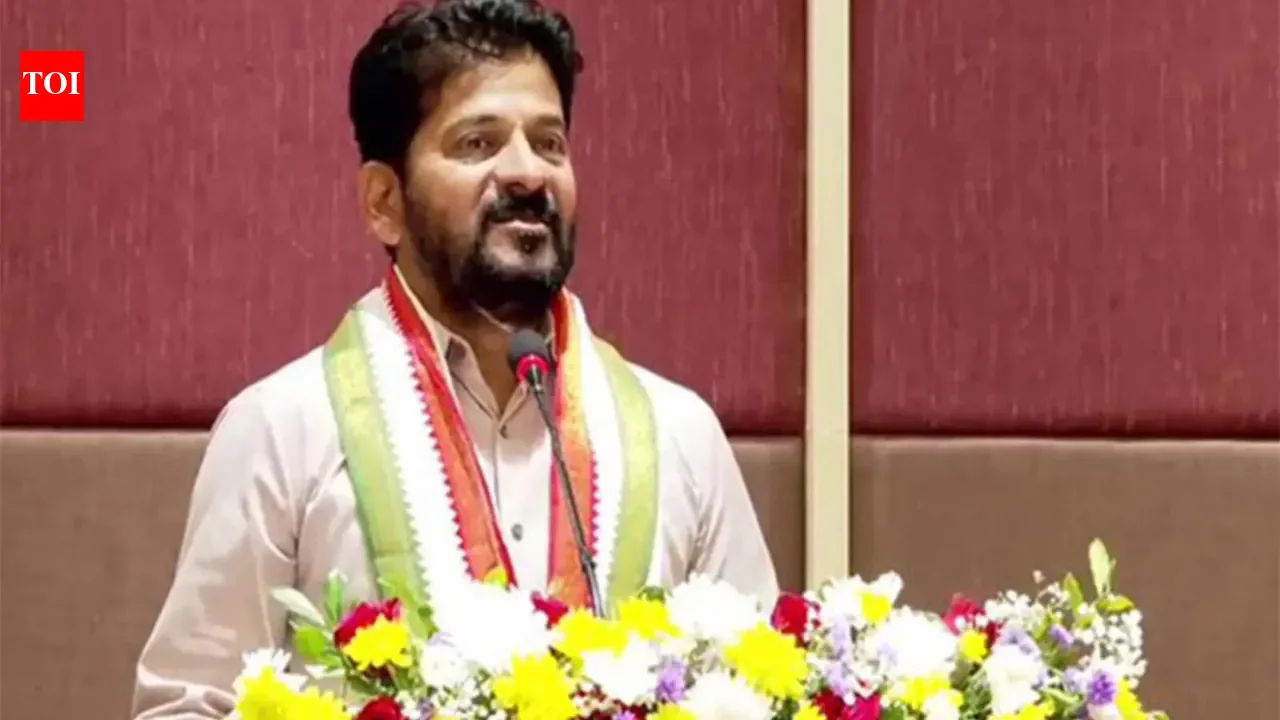
Further intensifying the discourse, Reddy challenged his critics, including Kerala's Chief Minister, to visit Telangana to witness the implementation of the state's governance model. He posited Telangana as a benchmark, citing the waiver of farm loans amounting to ₹21,000 crore for approximately 25 lakh farmer families as evidence of his government's commitment to fulfilling electoral promises. Reddy suggested that his government's ability to deliver was a result of curbing corruption, plugging revenue leakages, and effectively leveraging centrally sponsored schemes.
Campaign Dynamics and Alliances Under Strain
The rhetoric surrounding the Kerala elections extends beyond state borders, creating friction within alliances. Reddy's strong criticisms of the Left in Kerala have reportedly drawn ire from his own allies in Telangana. Kunamneni Sambasiva Rao, the Telangana CPI state secretary, has voiced strong disapproval, warning that such barbs could damage the broader opposition unity and benefit the BJP. This highlights the intricate dance of coalition politics, where a party's actions in one state can have ripple effects on its alliances elsewhere. The Congress party's strategic positioning, allying with the Left nationally while contesting against them in Kerala, has been a point of contention, fueling accusations of opportunism from both the BJP and its own coalition partners.
Read More: FBI Analysts Review Georgia 2020 Election Data in Fulton County
Background Narratives
The political exchanges are set against the backdrop of the upcoming Kerala Assembly elections, scheduled for April 9. The state, with its 140 seats, is poised for a significant electoral contest. The incumbent LDF government faces scrutiny, while the Congress-led UDF seeks to regain power. Simultaneously, national figures like BJP leader Rajnath Singh have also been actively campaigning, delivering pointed critiques against the LDF government, notably referencing the Sabarimala case and allegations of misplaced security. Prime Minister Narendra Modi's own campaign efforts in other poll-bound states like Assam, and the political maneuvers in Tamil Nadu and West Bengal, add further layers to the broader electoral landscape.