The Hugo Spritz, a drink purportedly originating in Northern Italy in the early 2000s, is emerging as a popular summer beverage, drawing attention for its departure from the more established, bittersweet profile of the Aperol Spritz. This effervescent cocktail features Prosecco, elderflower liqueur (often St-Germain), soda water, and mint, with lime sometimes added. Its composition results in a drink characterized by a light, floral sweetness and herbaceous notes, a stark contrast to the bittersweet citrus flavor synonymous with the Aperol Spritz.
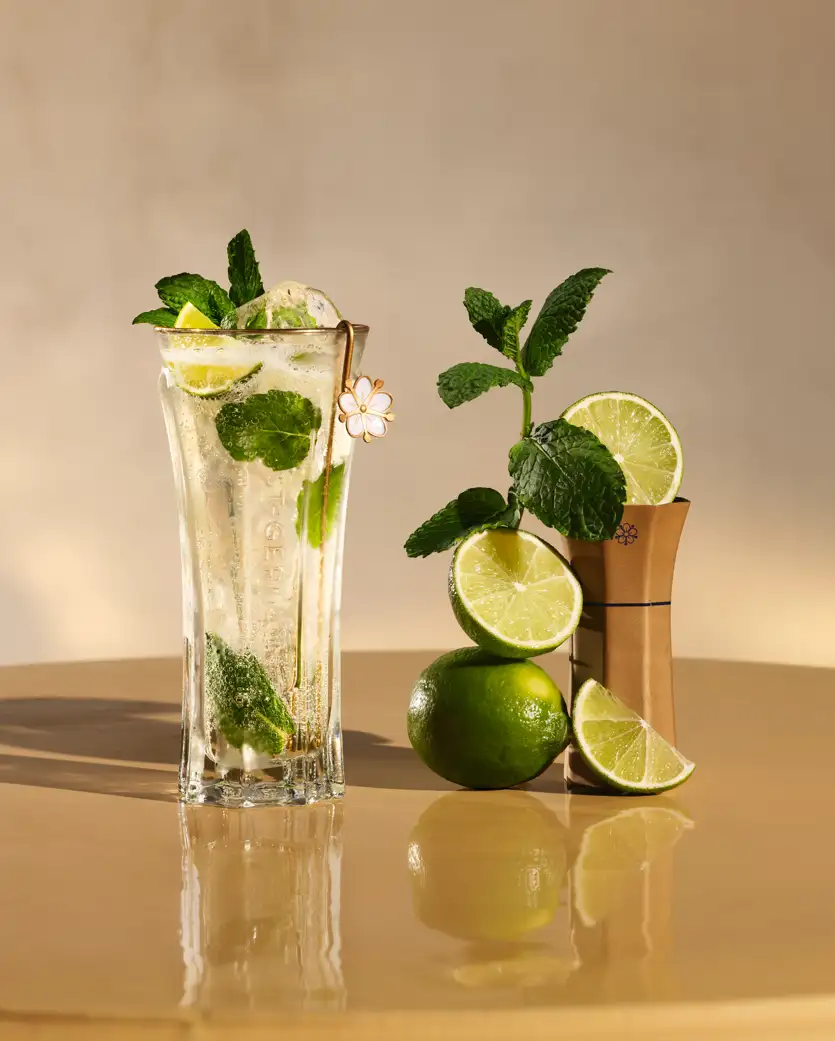
The core distinction lies in the flavor profiles: Aperol Spritz offers a bittersweet citrus taste, while the Hugo Spritz presents a sweeter, floral, and herbaceous experience. This divergence is leading some to opt for the Hugo Spritz as a refreshing alternative, particularly for those who find the Aperol Spritz too bitter or are seeking a change in their summer drink repertoire. The ingredients—specifically the elderflower liqueur and mint—contribute to its unique character.
Read More: King Arthur Cafe Site Becomes Tino Bistro in Late April
Crafting the Hugo Spritz
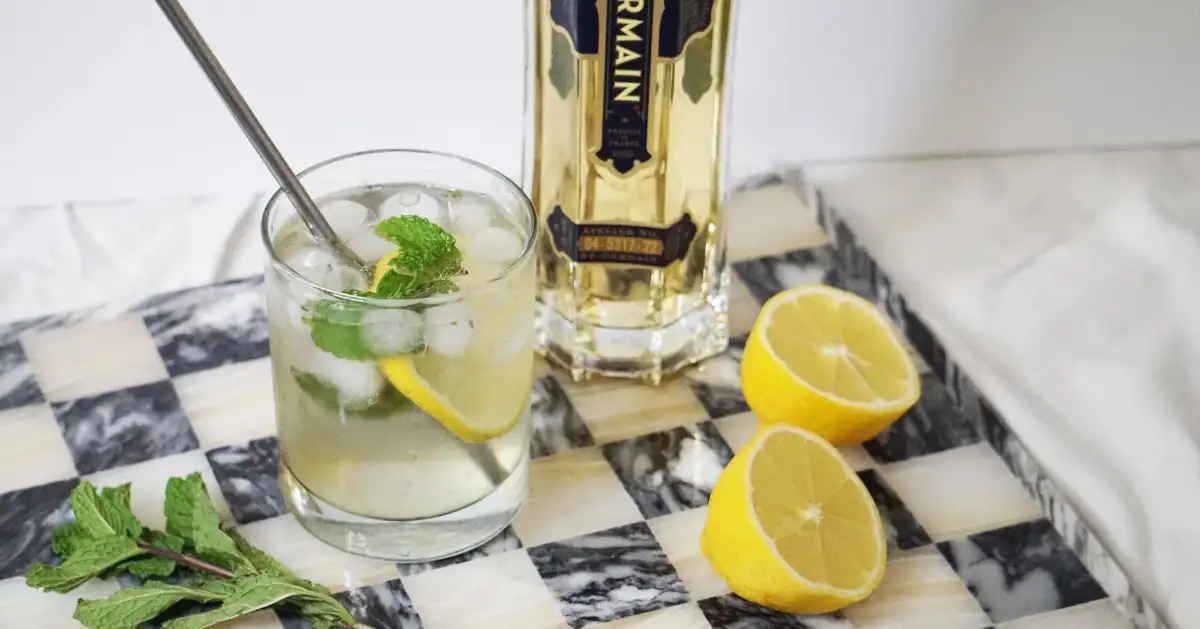
Making a Hugo Spritz typically involves combining approximately 4 ounces of Prosecco with 1 ounce of soda water and 0.5 ounces of elderflower liqueur. It is then garnished with mint sprigs and, optionally, a lime wheel. The soda water adds volume and bubbles without increasing the alcohol content, a consideration for those mindful of their beverage's strength. The mint provides an herbaceous, cooling element, which, combined with the floral notes of the elderflower liqueur and the tartness of lime, creates a balanced sweetness.
A European Favorite Finds Its Footing
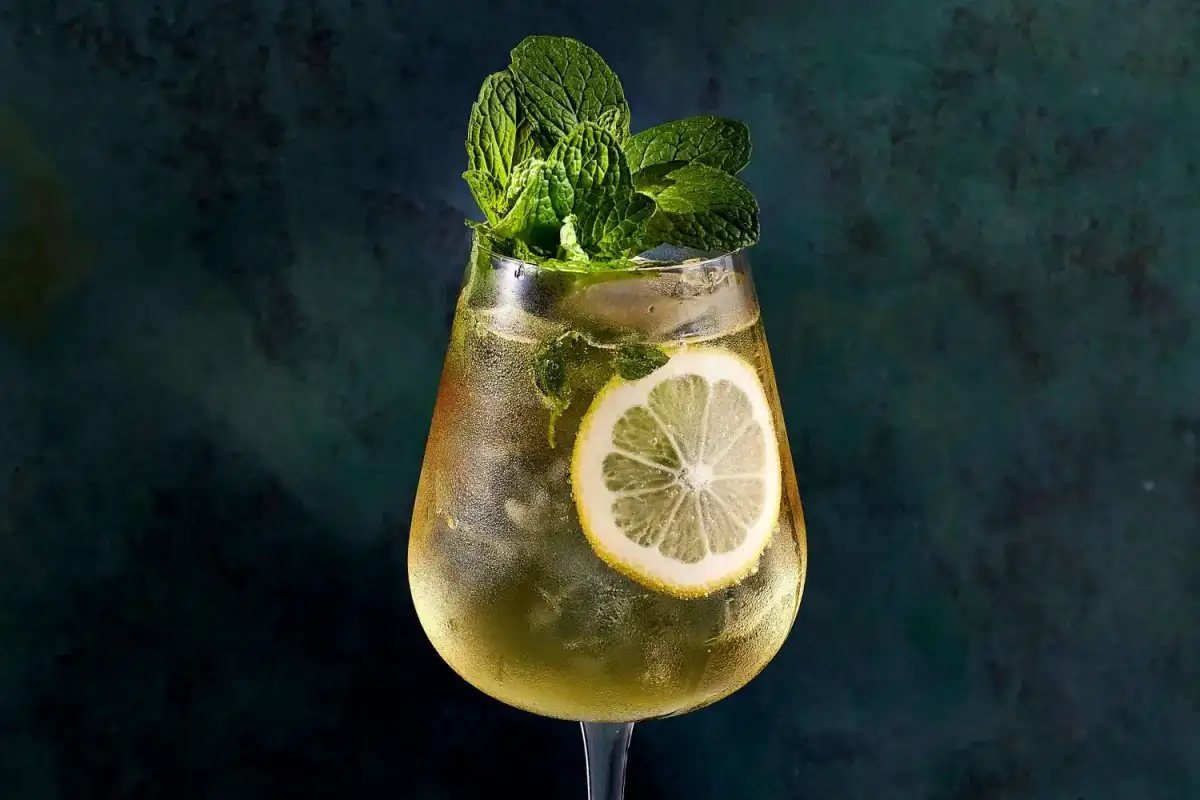
While the Aperol Spritz has long held a prominent place in summer refreshment, the Hugo Spritz, sometimes referred to as the St-Germain Spritz, has gained significant traction, particularly in Europe. Reports suggest it is a well-known cocktail in Europe, and its increasing visibility, amplified by mentions on platforms like TikTok, indicates a growing presence beyond its regional origins. This modern classic, a contemporary to the Aperol Spritz, is presented as an accessible option for home bartenders looking to expand their cocktail knowledge.
Read More: What guests notice when entering your home in April 2026
Contrasting Spritz Traditions
The Aperol Spritz, a more established fixture, is often prepared using a simple 3-2-1 ratio: three parts Prosecco, two parts Aperol, and one part soda water. Its appeal is rooted in its bittersweet, citrus-forward flavor. In contrast, the Hugo Spritz substitutes the distinct, orange-hued Aperol for elderflower liqueur, fundamentally altering the drink's flavor architecture. This shift caters to a preference for sweeter, more floral, and subtly herbaceous beverages, positioning it as a distinct choice rather than a mere variation.