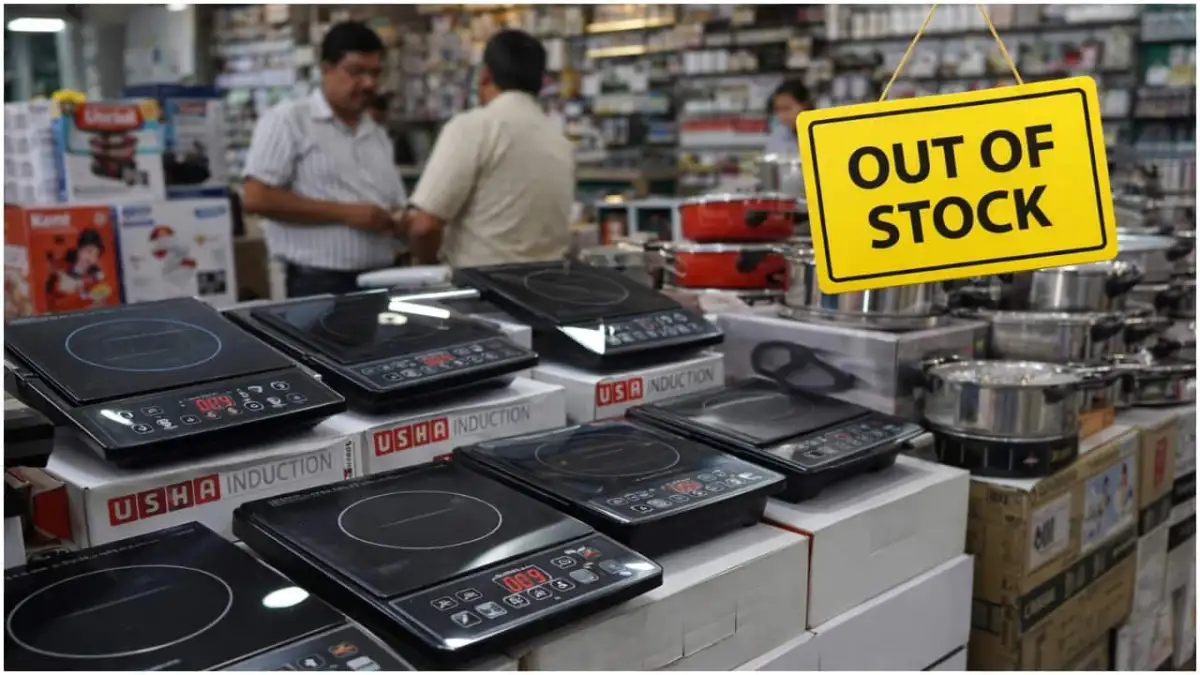
GOVERNMENT PUSHES INDUCTION HEATER PRODUCTION AMID SHIPPING DISRUPTIONS
Concerns over liquefied petroleum gas (LPG) supplies, driven by the ongoing West Asia crisis disrupting shipping lanes, have spurred a surge in demand for alternative cooking solutions. Government officials have convened discussions aimed at escalating domestic production of induction heaters and compatible cookware, a move seen as a response to heightened public anxiety over energy imports. The crisis has specifically impacted the movement of oil and gas carriers through the Strait of Hormuz, a critical chokepoint.
Sales of induction cooktops and electric kettles have reportedly seen a marked increase, described by industry observers as "selling like hot cakes." This shift in consumer behaviour reflects a broader apprehension regarding the reliability of traditional cooking gas imports, which are significant for India. The nation's dependence on foreign supplies of fertilisers, crude oil, and natural gas makes it particularly susceptible to such geopolitical disruptions.
Read More: Solaris Energy SEI Stock Price Forecast Reaches $91.98 by July 2027

GOVERNMENT MOBILIZES DOMESTIC INDUSTRY
The administration is reportedly reaching out to domestic manufacturers, urging them to accelerate output. "We discussed how we can speed up and increase production of induction heaters and vessels," stated an official, highlighting the focus on ramping up capacity for these alternative appliances and their associated utensils. This directive signifies a governmental effort to leverage existing industrial capabilities to mitigate potential supply shortfalls.
In parallel, the Ministry of Petroleum and Natural Gas has indicated efforts to expand the Piped Natural Gas (PNG) network. This initiative is intended to alleviate pressure on existing LPG supplies, offering another domestic-focused alternative to gas-based cooking. Measures to streamline business processes for states promoting PNG expansion have also been mentioned.

ECONOMIC WINDFALL FOR CERTAIN SECTORS
Beyond immediate energy concerns, a related fiscal measure involving a duty exemption is projected to cost the exchequer ₹1,800 crore. This exemption is expected to benefit sectors reliant on petrochemical feedstock, including plastics, packaging, textiles, pharmaceuticals, chemicals, and automotive components. This points to a wider economic ripple effect stemming from the crisis, with policy adjustments aimed at stimulating specific industrial segments.
Read More: Iran Warns Gulf States After U.S. Naval Clash
BACKGROUND: WEST ASIA INSTABILITY
The West Asia conflict has escalated tensions, leading to significant disruptions in global energy markets. The Strait of Hormuz, a vital waterway for transporting a substantial portion of the world's oil and gas, has become a focal point of these concerns. This instability directly impacts nations heavily reliant on energy imports, such as India, prompting domestic policy responses aimed at securing energy availability and promoting self-reliance in essential goods.