Southern Lebanon Endures Renewed Attacks
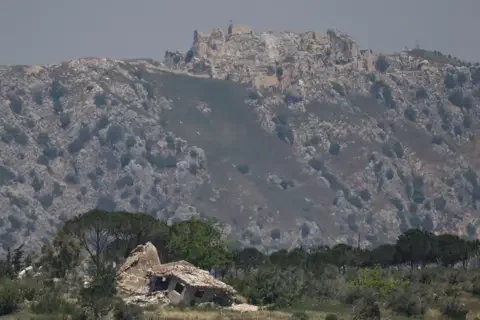
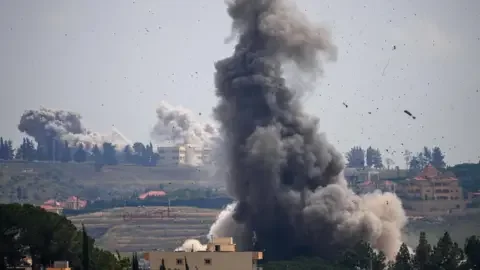
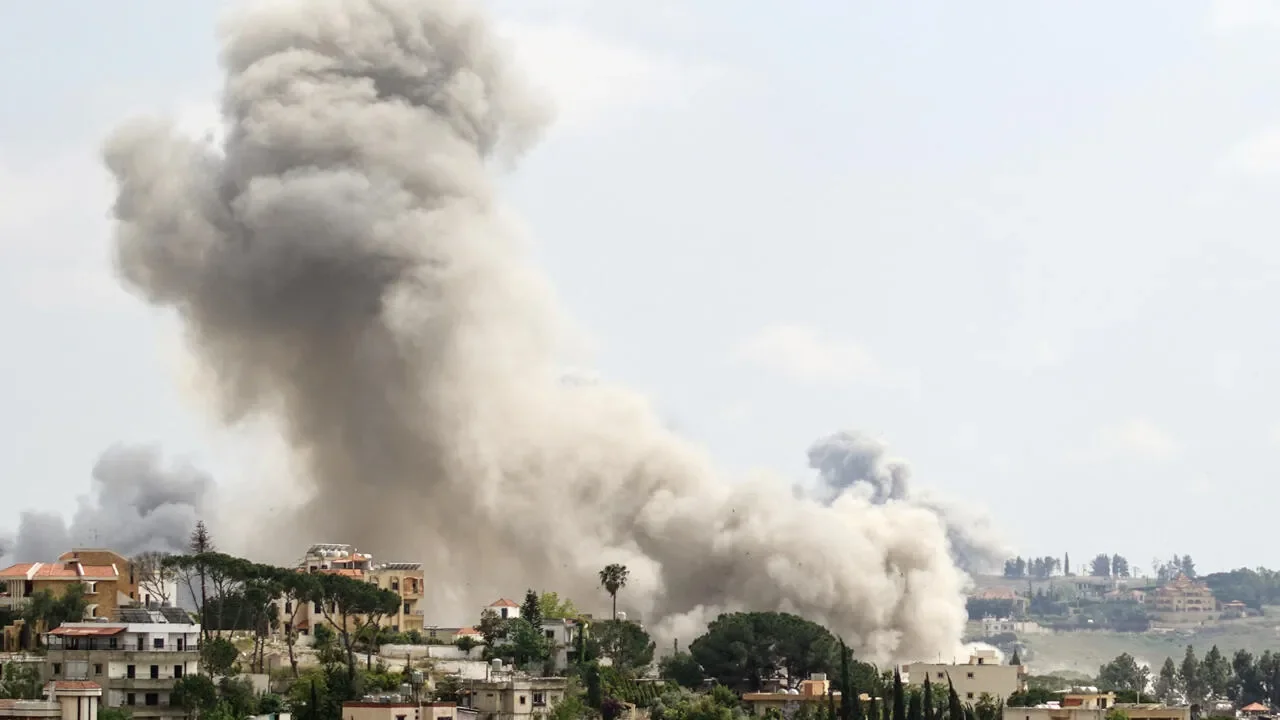
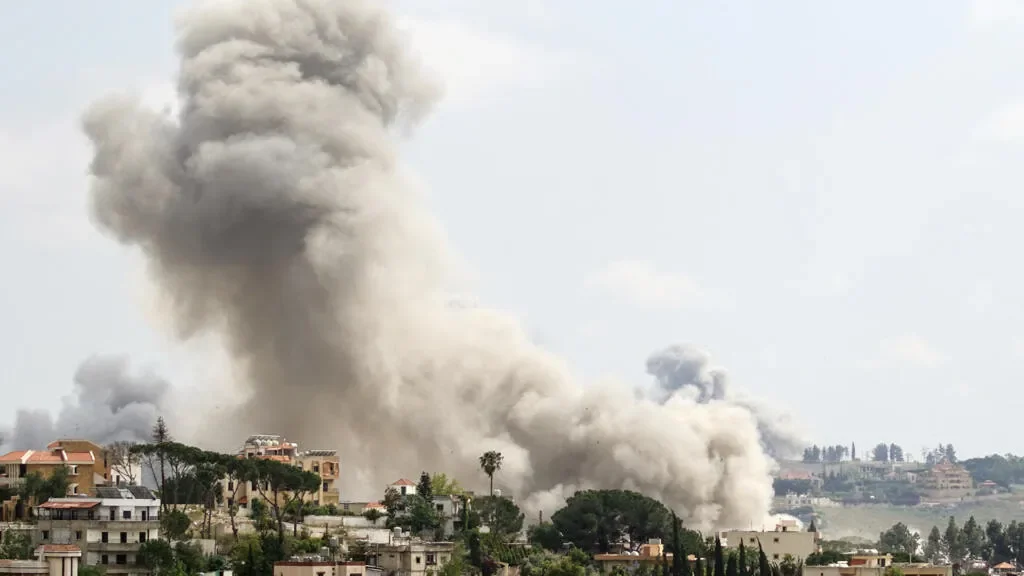
Deadly Israeli strikes targeted southern Lebanon on Tuesday, including an evacuation order for the town of Nabatieh, even as a partial truce with Hezbollah was said to be taking hold. While Beirut remained untouched following the agreement, Hezbollah reported engaging Israeli forces in the region.
This comes amidst Iran's assertion that Israeli actions in Lebanon complicate discussions for a broader resolution to its war with the United States. The Israeli military also reported intercepting projectiles launched from Lebanon into northern Israel on Tuesday.
Diplomatic Undertakings and Unspoken Agreements
"A truce took hold Friday between Israel and Lebanon’s Hezbollah, providing relief on both sides of the border and an opening for Iran and the United States to reach a deal to end the wider war." - Associated Press
The reported truce, announced on Thursday by U.S. President Donald Trump, appears to be a complex arrangement involving assurances from both Israel and Hezbollah. Trump stated he had received commitments for de-escalation. Lebanon's embassy in Washington conveyed that its government received confirmation of Hezbollah's acceptance of a U.S.-backed proposal for a partial ceasefire, following communication between Lebanese President Joseph Aoun and U.S. Secretary of State Marco Rubio. Trump later posted on his social media platform about speaking with Netanyahu and representatives of Hezbollah's leadership.
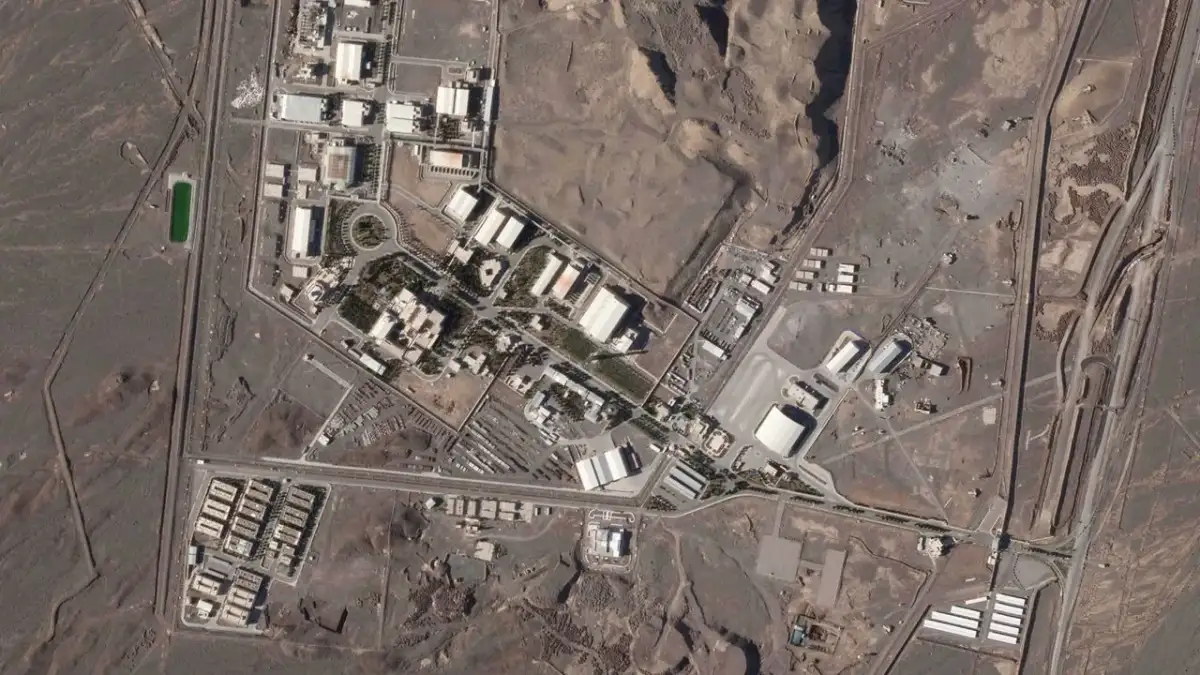
Read More: Iran Zagros Mountain Nuclear Site Construction Update April 2026
However, Hezbollah itself has not issued a public statement regarding the agreement. Some Israeli politicians have voiced criticism of Prime Minister Benjamin Netanyahu's decision to refrain from attacking Beirut, a demand reportedly made by Trump to avert further escalation.
Broader War Context
The situation in Lebanon is intricately linked to a wider conflict. Hezbollah launched missiles into Israel earlier in March, two days after the U.S. and Israel initiated hostilities against Iran. The Associated Press suggests the Lebanon truce is "key to ending the wider Iran war," but acknowledges significant challenges remain, including Hezbollah's lack of formal agreement and its demand for an Israeli withdrawal. The U.S. agreement, as described, permits Israel to act only in self-defense.
Keywords: Israel, Lebanon, Hezbollah, truce, Donald Trump, Iran, United States.