May 6, 2026 – The ongoing entanglement between Iran and the United States, characterized by contradictory claims and a seemingly unending conflict, presents a complex picture where both nations profess to be on the winning side. However, beneath these assertions lies a reality of sustained friction and mounting implications across the region.
The persistent nature of the conflict suggests neither Iran nor the US is achieving a decisive victory, with both sides entrenched in a cycle of claims and counter-claims that obscure a clear path to resolution. Reports indicate a constant ebb and flow of tensions, with incidents such as alleged Iranian missile firings towards US vessels in the Sea of Oman being met with denials from American forces, highlighting a deep-seated distrust and information warfare.
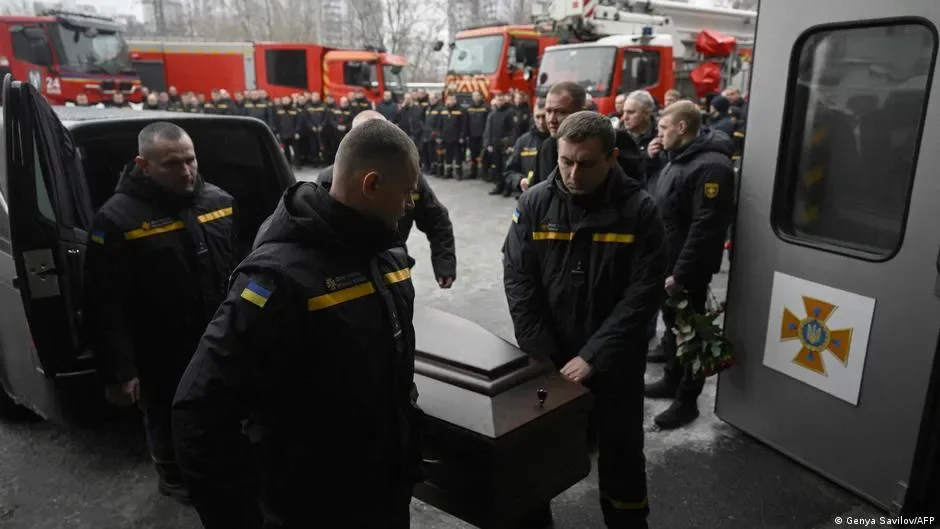
Further complicating the narrative, recent developments point to a wider regional destabilization. Israel has reported the death of a soldier in southern Lebanon, a casualty occurring despite an announced ceasefire. Concurrently, Israeli strikes in eastern and southern Lebanon have resulted in multiple fatalities, including children and women, underscoring the fragility of any de-escalation efforts. Kuwait has also accused Iran of a "heinous aggression" following surveillance footage of what it claims was an Iranian drone strike on its international airport.
Read More: Iran Zagros Mountain Nuclear Site Construction Update April 2026
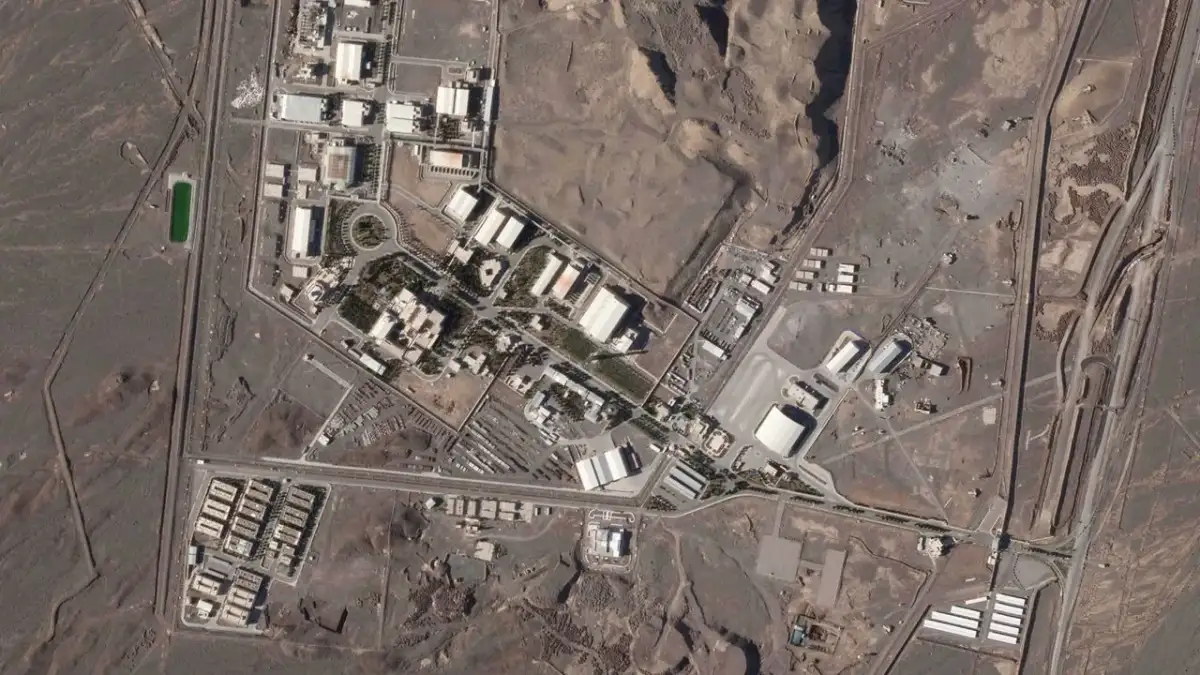
This protracted state of affairs is not without its human cost. Reports suggest the war is overshadowing even mundane aspects of life, such as national players' World Cup dreams, indicating how pervasive the conflict's shadow has become. The International Atomic Energy Agency (IAEA) is reportedly concerned about proliferation risks, with a report set to be examined by its governing board next week, pointing to underlying nuclear anxieties within the broader regional picture.
The rhetoric from political figures, such as Donald Trump, continues to project an air of optimism regarding peace talks, while Tehran maintains a critical stance on American actions. These divergent viewpoints serve to perpetuate the uncertainty surrounding the conflict's trajectory. The situation in Lebanon, in particular, appears to be a point of contention, with Trump expressing a desire to separate negotiations regarding that conflict from those concerning the war with Iran. This suggests a fragmented approach to addressing interconnected regional crises.
Read More: Gulf Oil Exports Rise in June but Still Below Pre-War Levels
The geopolitical stakes are undeniably high, with significant strategic, economic, and diplomatic ramifications. The continuous updates and conflicting statements paint a picture of a deeply entrenched conflict where narratives of success are deployed to mask a more complex and perhaps less triumphant reality for all parties involved.