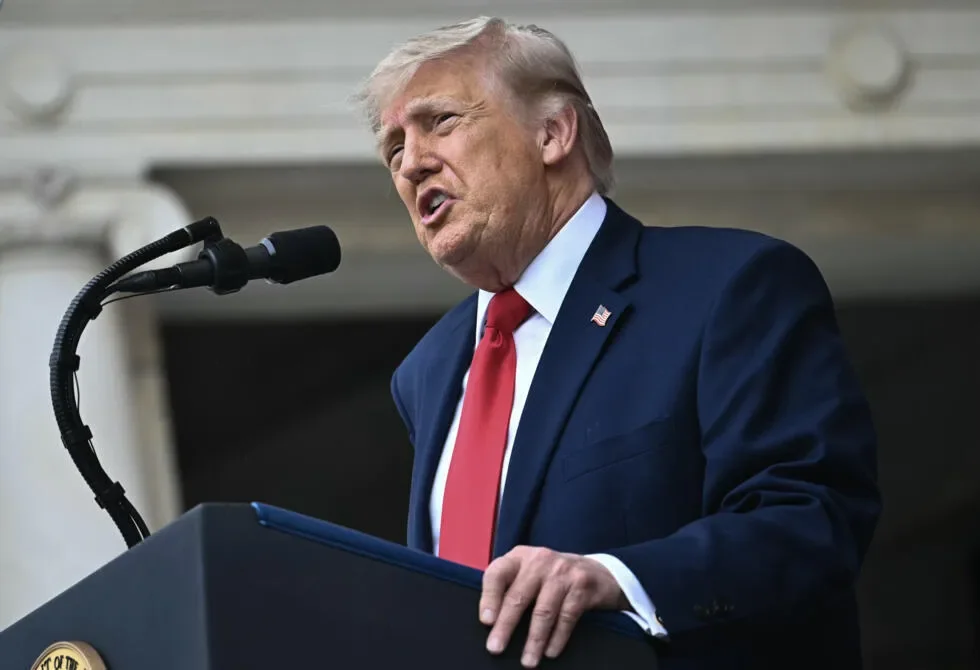
The United States has issued a stark 48-hour ultimatum to Iran, demanding the immediate reopening of the Strait of Hormuz. Failure to comply, according to pronouncements from Donald Trump, will result in the "destruction" and "obliteration" of Iran's energy infrastructure, specifically targeting its power plants. This demand follows a significant escalation in regional conflict, with Tehran launching what is described as its "most destructive attack yet" on Israel.
The situation in the vital maritime passage, through which a substantial portion of the world's oil and gas transits during peacetime, has become severely disrupted. Shipping traffic has reportedly "virtually ground to a halt," a development that has fueled soaring oil prices and plunging stock markets. The United Arab Emirates has also reported aerial attacks, following Iran's warnings against allowing strikes from its territory on disputed islands situated near the Strait of Hormuz.
Read More: Iran Warns Gulf States After U.S. Naval Clash

Contextualizing the Standoff
Donald Trump's recent statements, disseminated via his Truth Social platform, serve as a "blunt reminder" that a previously set deadline for Tehran to "reach a deal to end the war or fully reopen the Strait of Hormuz" is rapidly approaching. The administration insists that any potential agreement with Iran must include the regime's "complete abandonment of its nuclear weapons ambitions," alongside stringent curbs on its ballistic missile program and its "destabilizing regional proxy activities."
Meanwhile, the Israeli military has stated its forces have conducted strikes on Tehran, with Netanyahu vowing to persist in targeting Iran. This exchange occurs amidst an ongoing "US-Israeli conflict with Iran" now in its fourth week. Japan has indicated it might consider deploying its military for minesweeping operations in the Strait of Hormuz, contingent upon the establishment of a ceasefire.
Read More: Gulf Oil Exports Rise in June but Still Below Pre-War Levels
Geopolitical Ripples and Retaliations
The ' Strait of Hormuz ' has become a critical flashpoint. Iran's stated intent to keep the waterway closed to "enemy ships" has heightened pressure on the US to secure passage. Following Trump's threat, the Iranian army declared it would target all US energy infrastructure in the region if Iran's own fuel and energy facilities were attacked.
The ' US-Israeli conflict with Iran ' saw Iranian missiles strike southern Israel, resulting in over 100 injuries and marking the war's most destructive attack to date. Iran attributed this action to Israeli strikes on its Natanz nuclear facility. The Islamic Revolutionary Guard Corps also claimed responsibility for targeting other southern Israeli towns, as well as military sites in Kuwait and the UAE, in what it described as retaliation. The Israeli military has denied involvement in the Natanz strike, but acknowledged striking a Tehran university facility allegedly used for developing components for Iran's ballistic missile program.
Read More: Russia Boosts Air Defense Against Ukraine Drone Attacks
International Responses and Infrastructure Threats
Reports suggest that a coalition of countries has endorsed a joint statement expressing "readiness to contribute to appropriate efforts to ensure safe passage" through the strait. However, Trump has also publicly criticized ' NATO ' as "cowards," chiding them for complaining about high oil prices while not assisting in reopening the Strait of Hormuz. The US has also claimed to have "crippled Iranian threat in Strait of Hormuz."
The threat to Iran's power plants has not been specified regarding which facility is considered the "biggest." A ' Callisto tanker ' was observed anchored amidst reduced traffic in the Strait of Hormuz, in Muscat, Oman, during the ongoing conflict.