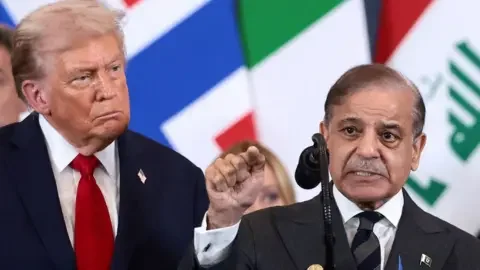
A provisional two-week ceasefire between the United States and Iran has been declared, a development that could see the vital Strait of Hormuz reopened for shipping. The agreement, brokered through Pakistani intermediaries, was announced on Tuesday night by President Donald Trump, who stated he would suspend attacks on Iran for a fortnight. This comes as Tehran submitted a 10-point peace proposal to the U.S.
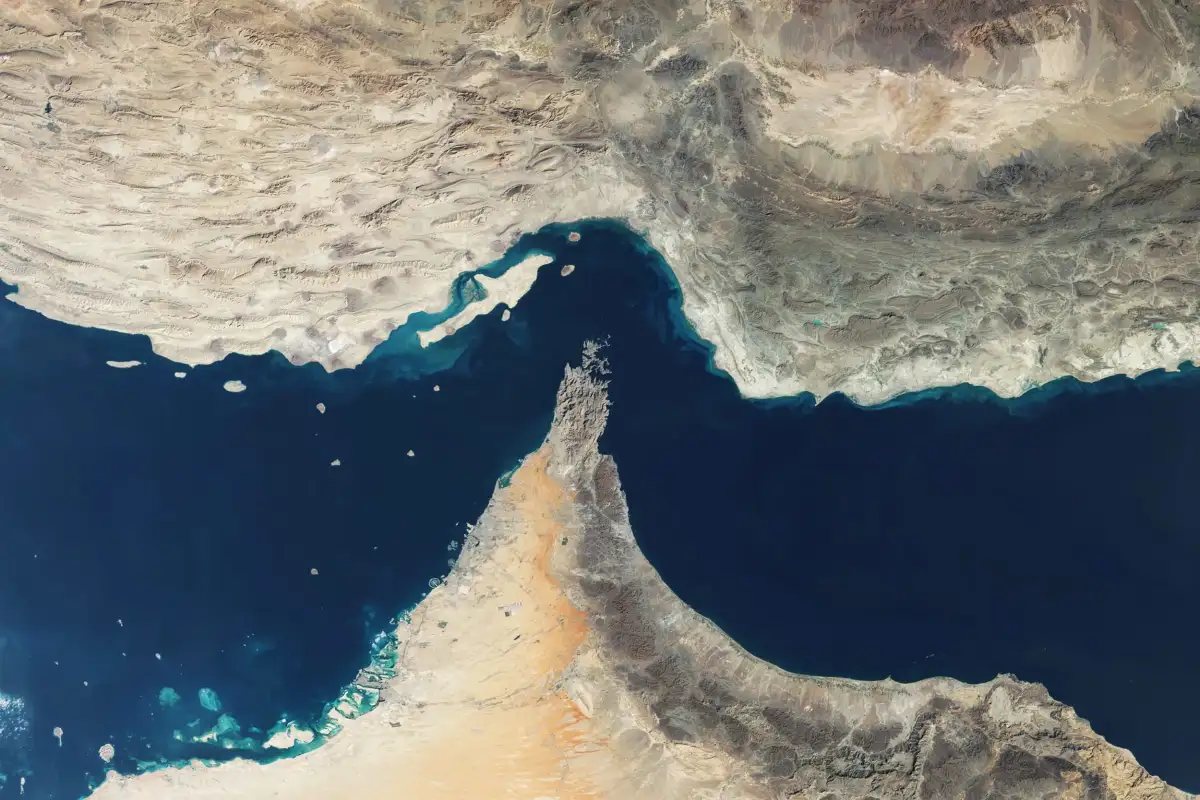
The core of the agreement hinges on Iran's commitment to reopen the Strait of Hormuz, a crucial artery for global oil transit. Trump announced on 'Truth Social' his intention to "suspend the bombing and attack of Iran for a period of two weeks," a stark shift from earlier threats to obliterate its "entire civilization." Iran, through its Foreign Minister Abbas Araghchi, confirmed acceptance of the ceasefire, stating ships would be able to pass through the strait for the two-week period, "via coordination with Iran's Armed Forces and with due consideration of technical limitations."
Read More: Two-Week Ceasefire Between US, Israel, and Iran Starts Tuesday

Conflicting Interpretations Emerge
Despite the declared truce, immediate reports highlight divergent understandings of its scope. Israel, while backing the U.S. ceasefire, explicitly stated the deal does not encompass ongoing fighting against Hezbollah in Lebanon. This position is mirrored by U.S. officials, including White House Press Secretary Karoline Leavitt, who affirmed that Lebanon is not included.

Iran, however, appears to hold a different view. Iranian state media reported that Tehran closed the Strait of Hormuz in response to Israel's continued attacks on Lebanon. Foreign Minister Araghchi stated on social media that the ceasefire must include Lebanon, otherwise "war will continue." This impasse led to Iran reportedly closing the Strait of Hormuz, creating an "impasse" and casting uncertainty over the ceasefire's immediate effectiveness.
The Iranian Proposal and Pre-Ceasefire Actions
Iran's 10-point peace plan, delivered via Pakistan, is understood to include demands such as the withdrawal of U.S. combat forces from regional bases, the lifting of all sanctions, the release of frozen Iranian assets, and full payment for war-related damages. Trump's administration framed Iran's proposal as a "workable basis on which to negotiate," suggesting a potential pathway for long-term peace talks.
Read More: War's Economic Damage Lasts Over 10 Years, New Study Shows
In the hours preceding the ceasefire announcement and Trump's deadline, hostilities continued. U.S. forces struck military infrastructure on Kharg Island, a key hub for Iranian oil production, for a second time. Israel also acknowledged attacks on Iranian bridges and railways. These actions occurred as oil prices rose and stock futures fell in anticipation of Trump's ultimatum.
Background: A War Escalating
The current diplomatic maneuver follows over five weeks of conflict initiated by the U.S. and Israel. The situation escalated significantly in recent days, with Trump issuing dire threats and setting a tight deadline for Iran to reopen the Strait of Hormuz. Pakistan has played a mediating role, inviting both the U.S. and Iran to talks in Islamabad scheduled for Friday. The White House also stated that Israel supported U.S. efforts to ensure Iran no longer posed a nuclear or missile threat, though this support is qualified by the exclusion of Lebanon from the ceasefire.
Read More: Gulf States See Attacks: 137 Missiles and 209 Drones Hit Region
' ceasefire ' ' Strait of Hormuz ' ' Iran peace plan ' ' Kharg Island ' ' Hezbollah '