FLASH: WASHINGTON D.C. – President Trump has declared a...
WASHINGTON D.C. – President Trump has declared a two-week ceasefire with Iran, a move that halts planned devastating attacks on Iranian infrastructure. This truce, announced Tuesday, is contingent upon Iran immediately and safely reopening the Strait of Hormuz, a crucial artery for global oil transit. The agreement comes after weeks of escalating conflict and just before a self-imposed deadline by Trump for Iran to meet his demands.

The core of the deal involves a temporary suspension of hostilities, buying time for further negotiations. Iran, through its Foreign Minister Abbas Araghchi, has indicated ships will be allowed passage through the Strait of Hormuz under coordination with Iranian forces, citing technical limitations. The U.S. and Iran are reportedly expected to engage in peace talks in Islamabad, Pakistan, this Friday, following mediation efforts by Pakistani Prime Minister Shehbaz Sharif.
FLASH: STRIKES AND STANDOFFS

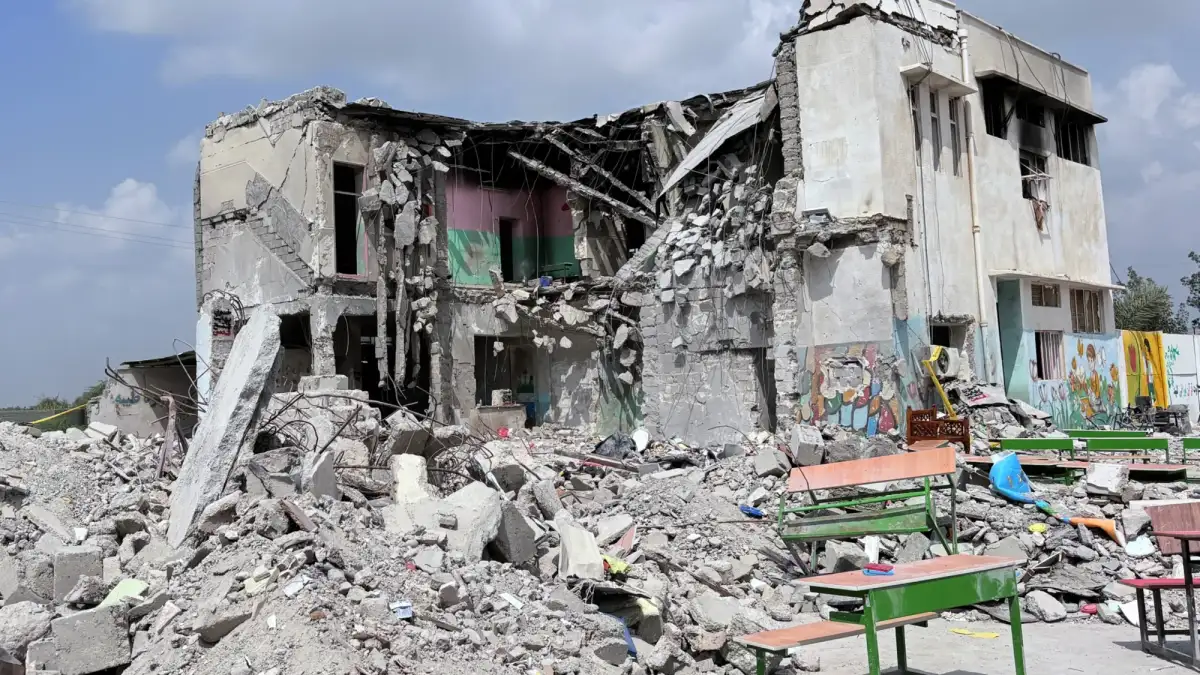
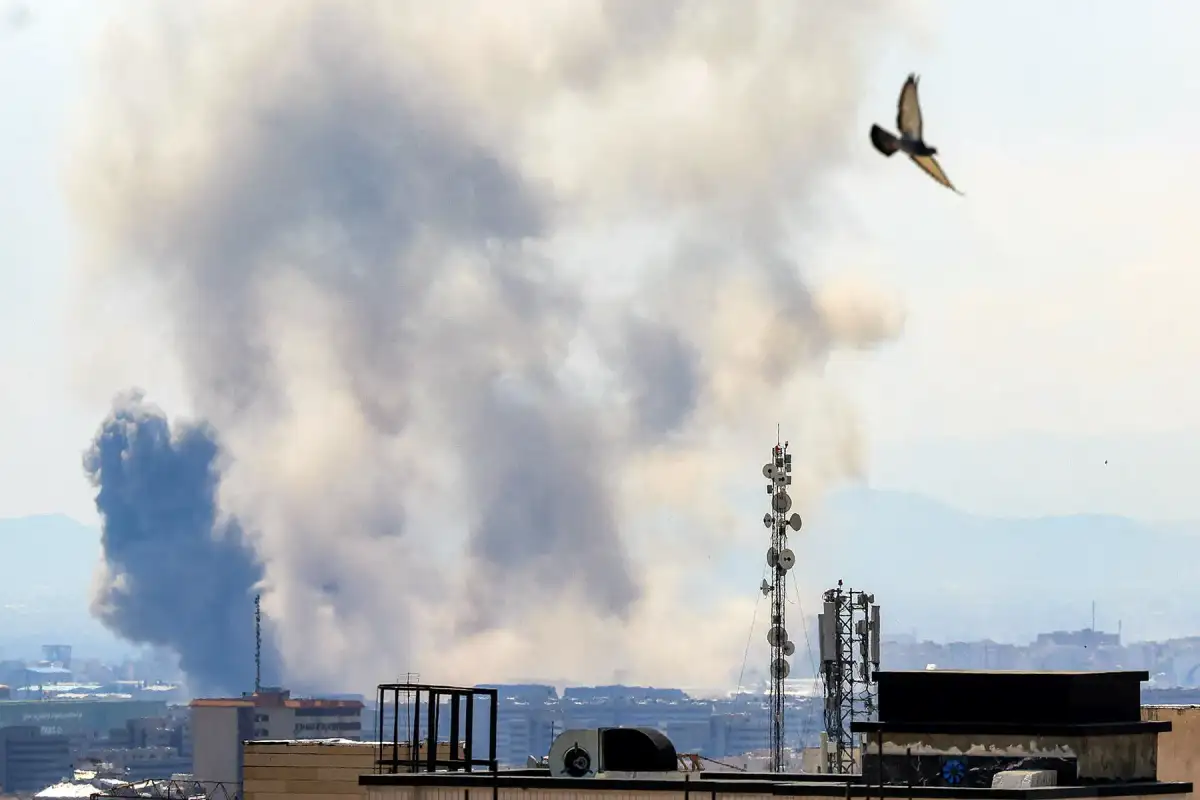
Hours before Trump's announcement, airstrikes targeted bridges and a train station in Iran, while the U.S. reportedly struck military infrastructure on Kharg Island, a key oil production hub. Israel, led by Prime Minister Benjamin Netanyahu, acknowledged its role in these strikes, asserting that its support for the U.S.-Iran ceasefire does not extend to fighting against Hezbollah in Lebanon. This exclusion has become a point of contention, with reports indicating Iran may have closed the Strait of Hormuz in response to continued Israeli actions in Lebanon, creating immediate uncertainty about the ceasefire's stability.
UPDATE: DIVERGENT DECLARATIONS
Statements from both sides frame the development as a success. Trump, posting on Truth Social, claimed the U.S. had achieved its military objectives and was progressing towards a long-term peace agreement. Iran’s acceptance of a two-week pause, as communicated by Araghchi, implies a willingness to de-escalate military actions, provided they are not attacked.
UPDATE: POLITICAL CURRENTS
However, conflicting interpretations of the ceasefire's scope have surfaced. The U.S. has stated that the deal does not include Lebanon, a position Iran appears to dispute, leading to renewed tensions. This ambiguity has fueled speculation and immediate market reactions, with oil prices rising and stock futures falling ahead of Trump's original deadline.
The agreement followed a tense period where Trump had threatened "massive attacks" and the destruction of Iran's "whole civilization." This rhetoric drew significant criticism, including from within Trump's own political circles, with some labeling such potential strikes as war crimes and others calling for his removal from office.
LATEST: Iran's participation in the ceasefire is reportedly linked...
Iran's participation in the ceasefire is reportedly linked to a "10-point proposal" submitted to U.S. negotiators, reportedly via Pakistani officials. This proposal is understood to include demands such as the withdrawal of U.S. forces from regional bases, the lifting of sanctions, and the release of frozen Iranian assets.
FLASH: The conflict, which has lasted over five weeks,...
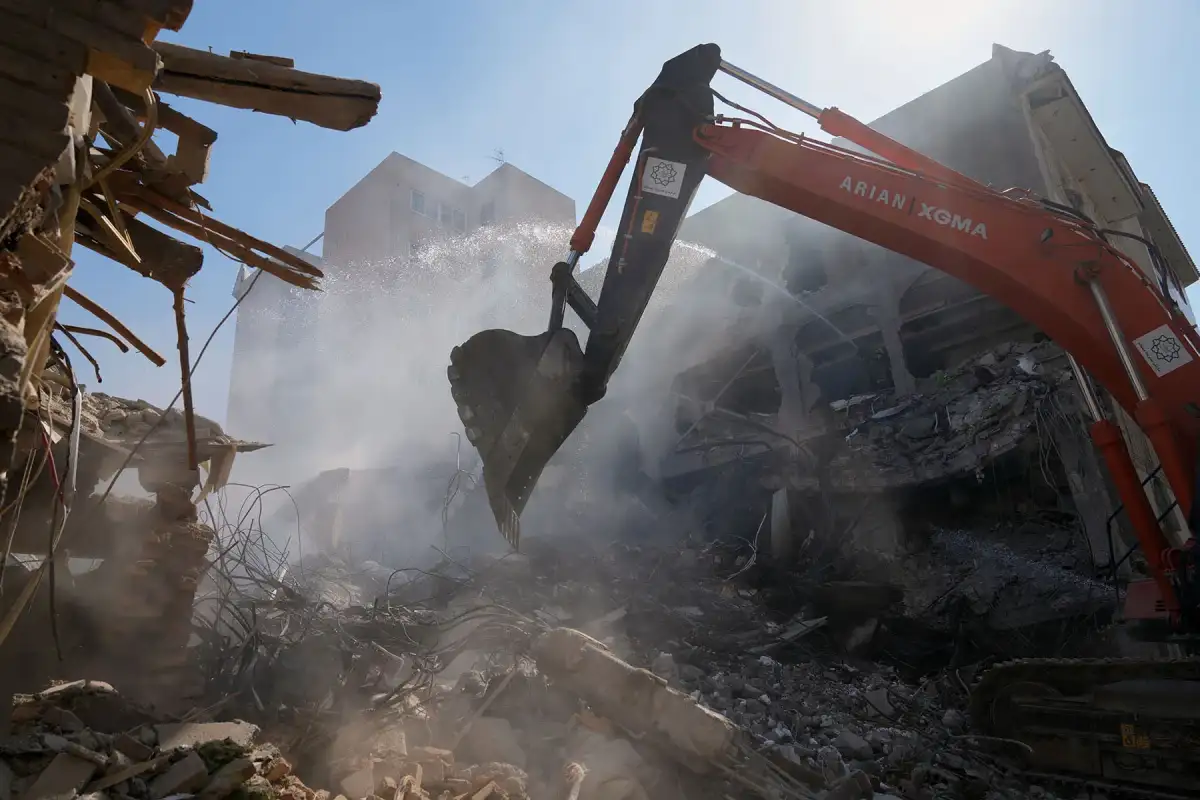
The conflict, which has lasted over five weeks, has resulted in thousands of deaths and triggered a global energy crisis. The U.S. and Iran's agreement aims to pause this immediate escalation, though the long-term implications and the actual implementation of the ceasefire remain under scrutiny.