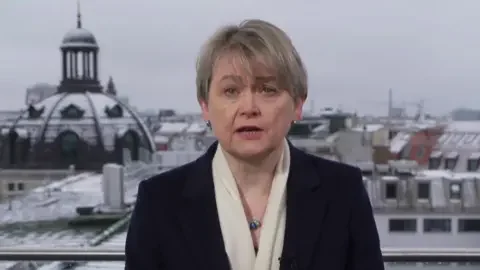
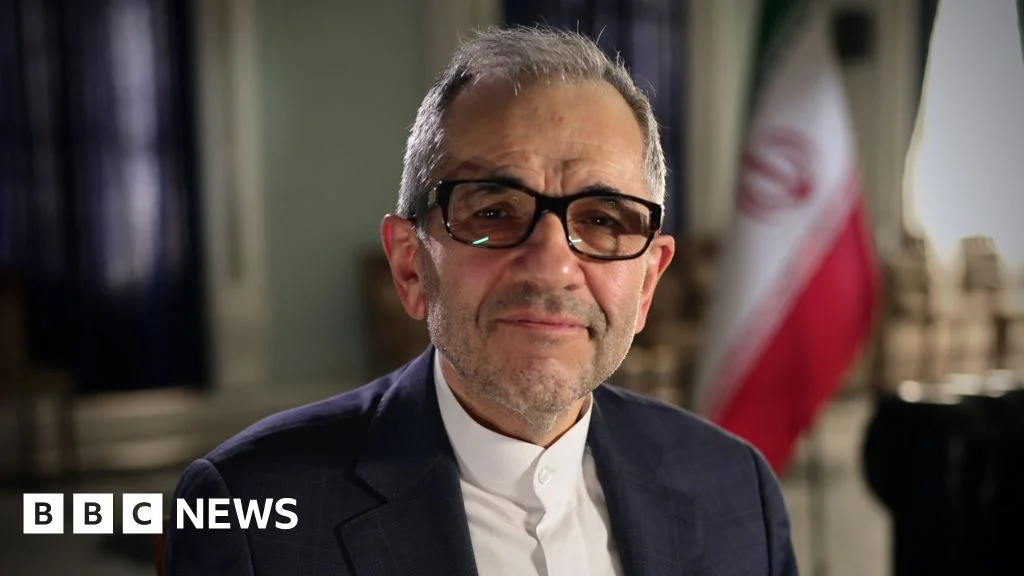
Iran has expressed openness to discussing compromises that could lead to a nuclear deal with the United States. This stance emerges in a complex geopolitical climate, characterized by ongoing sanctions, regional military buildups, and a history of disrupted negotiations. Iranian officials state their readiness to engage if the U.S. reciprocates by considering the lifting of sanctions, placing the onus on Washington to demonstrate sincerity in achieving an agreement.
Background of the Nuclear Negotiations
The path toward a nuclear deal between Iran and the U.S. has been protracted and marked by significant events:
June 2025 War and Subsequent Protests: A conflict initiated by Israel against Iran, involving U.S. airstrikes on Iranian nuclear sites, significantly disrupted prior negotiation rounds. This period also saw Iran experience nationwide protests.
Disrupted Talks: The June 2025 war interrupted five rounds of talks that had been taking place in Rome and Muscat, Oman.
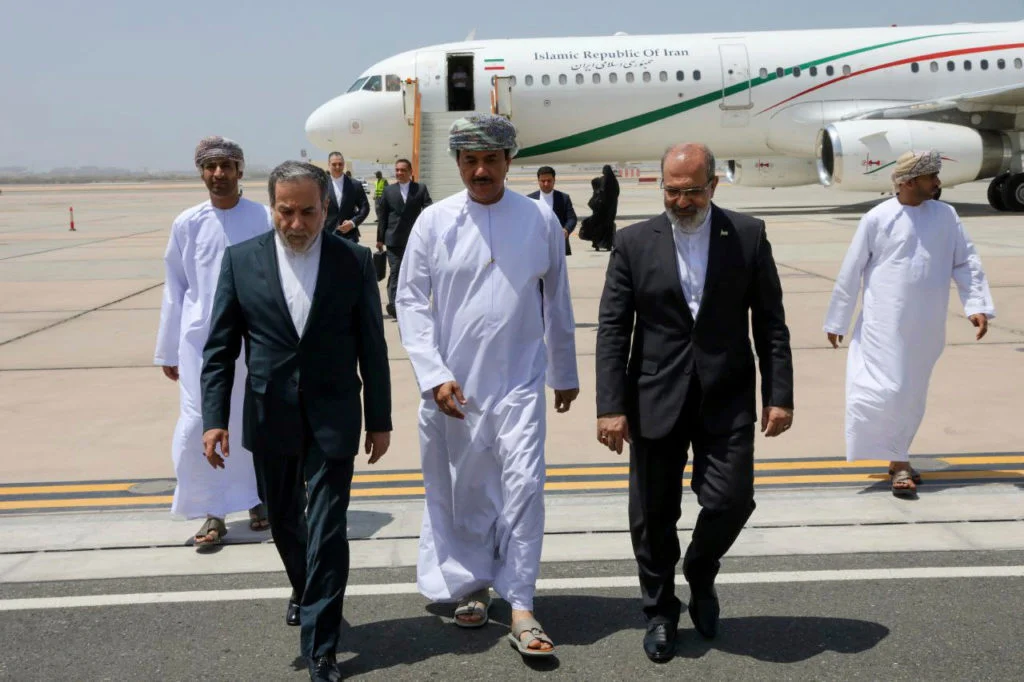
Resumption of Indirect Talks: Following the war, Iran and the U.S. resumed indirect discussions in Oman, with a handshake between delegations noted by Iran's Foreign Minister Abbas Araghchi.
U.S. Military Presence: The U.S. has augmented its military presence in the region, including the deployment of an aircraft carrier and guided missile destroyers, actions viewed by Iran as threats.
Key Actors and Their Stances
The negotiations involve several key figures and entities with distinct positions:
Read More: UK and Allies Say Russia Poisoned Navalny with Frog Toxin

| Actor | Stance on Nuclear Deal | Other Relevant Actions/Statements |
|---|---|---|
| Iran | - Ready to consider compromises for a deal if sanctions are lifted. - Insists its nuclear program is peaceful and will not pursue nuclear weapons. - Willing to resume talks if conducted respectfully. - States it is no longer enriching uranium due to war damage (as of Nov 2025). | - Deputy Foreign Minister Majid Takht-Ravanchi stated the "ball is in America's court." - Foreign Minister Abbas Araghchi affirmed Iran's pledge against nuclear weapons and cited U.S. intelligence. - Threatened to target U.S. bases if attacked. - Proposed talks focus solely on the nuclear program. |
| United States | - Emphasizes Iran's role in holding up progress. - Pushing for a new agreement to limit Iran's nuclear program in exchange for sanctions relief. | - Building up military presence in the region. - Conducted strikes on Iranian nuclear facilities during the June 2025 war. - President Trump met with Israeli PM Netanyahu to discuss continuing negotiations. |
| Israel | - Launched a 12-day war on Iran in June 2025, including bombing nuclear sites. - Israeli Prime Minister Netanyahu seeks expanded U.S. talks with Iran. | - Netanyahu met with U.S. officials to discuss the ongoing talks. |
| Key U.S. Officials | - Jared Kushner and Avi Berkowitz (Witkoff) involved in talks with Iran. | - Met with Netanyahu to update him on Oman talks. |
Evidence of Iran's Willingness to Compromise
Recent statements from Iranian officials indicate a pragmatic approach towards negotiations:
Read More: Iran May Change Nuclear Plan If US Lifts Sanctions

Majid Takht-Ravanchi, Iran's Deputy Foreign Minister, stated: "If they are sincere, I'm sure we will be on the road to an agreement." This suggests Iran views sincerity from the U.S. as a critical factor for progress.
Takht-Ravanchi also indicated that Iran would attend the next round of talks in Geneva with "hope that a deal could be done," pointing to a degree of optimism about finding common ground.
Abbas Araghchi, Iran's Foreign Minister, mentioned that talks with the U.S. included a handshake with Washington's delegation during indirect talks in Oman, signaling a potential thaw in diplomatic interactions despite the indirect nature of the engagement.
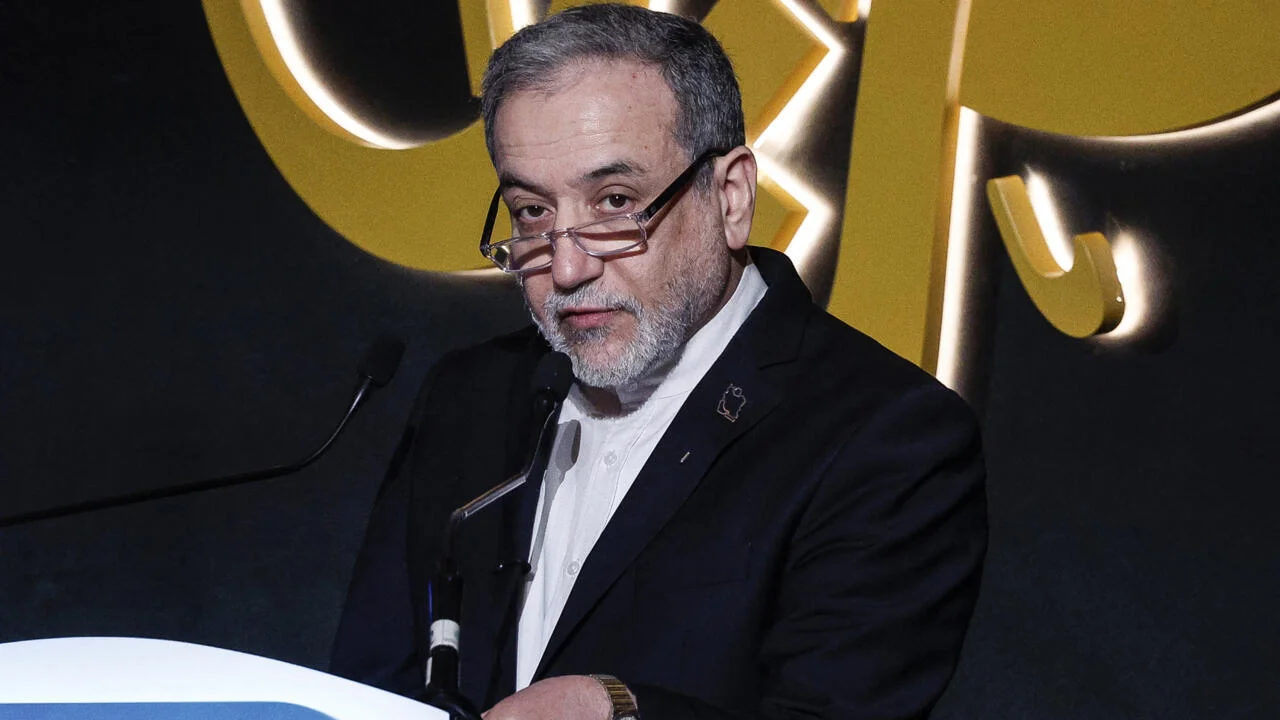
Araghchi stated in November 2025 that Iran was "willing to resume nuclear talks with the United States if they are conducted respectfully," but reiterated that Tehran "will not move from the position it held before the U.S. and Israel attacked it in June." This highlights a conditional willingness to return to the table, contingent on respectful conduct and acknowledgment of prior grievances.
Regional Tensions and Military Posturing
The diplomatic efforts are unfolding against a backdrop of heightened regional tensions:
Read More: Iran May Agree to Nuclear Deal If Sanctions Are Lifted
Threats of U.S. Strikes: Reports indicate that President Trump has threatened strikes against Iran if a nuclear deal is not reached, correlating with an increase in U.S. military assets in the region.
Iran's Retaliation Stance: Iran has publicly stated that it will target U.S. military bases in the region if Washington attacks Iranian territory. This forms a deterrent posture in response to perceived threats.
Israel's Role: Israel's actions, including the June 2025 war and subsequent strikes on Iranian nuclear sites, have significantly impacted the negotiation timeline and Iran's position. Prime Minister Netanyahu's continued engagement with U.S. leadership suggests an ongoing effort to influence the U.S. approach to Iran.
Divergent Views on Negotiation Progress
While Iran expresses readiness for compromise, perspectives on the likelihood of a deal differ:
Read More: US Military Attacks ISIS in Syria After Soldiers Die
U.S. Perspective: U.S. officials have repeatedly pointed to Iran as the party obstructing progress in the negotiations. This contrasting viewpoint suggests differing interpretations of negotiation dynamics and demands.
Skepticism Among Observers: Many international observers remain cautious about the imminence of a new accord, given the history of impasses and the complex web of demands and counter-demands.
Expert Analysis on Current Standoff
"The ball is in America's court to prove that they want to do a deal," said Majid Takht-Ravanchi, Iran's deputy foreign minister. This statement places the immediate responsibility for de-escalation and agreement on the United States, implying that specific U.S. actions, such as sanction relief, are necessary prerequisites for Iran's full engagement.
The refusal by Iran to engage in direct talks with the U.S., as indicated by Araghchi, underscores the substantial diplomatic rift that persists, even as indirect negotiations continue. This hesitancy to engage directly suggests a deep-seated mistrust or a strategic choice to maintain distance.
Conclusion and Next Steps
Iran's public statements indicate a strategic openness to resuming and potentially concluding nuclear negotiations, contingent on U.S. willingness to address sanctions. The recent history, marked by conflict and disrupted talks, has created a complex environment where military posturing and diplomatic overtures coexist.
Read More: UK and Allies Say Russia Responsible for Navalny's Death
Key Findings:
Iran is prepared to discuss compromises on its nuclear program.
Sanctions relief from the U.S. is presented as a crucial reciprocal step.
Regional military tensions and prior conflicts heavily influence the negotiation climate.
A significant diplomatic gap persists, evidenced by Iran's preference for indirect talks.
Implications: The readiness of Iran to engage suggests an opportunity for diplomatic breakthrough, but the U.S. stance and regional dynamics present substantial challenges. The efficacy of future talks will likely depend on the degree of flexibility demonstrated by both sides, particularly concerning sanctions and security assurances.
Next Steps: Continued monitoring of upcoming negotiation rounds, including any second round of talks between Iran and the U.S., will be essential. The outcome of discussions between U.S. and Israeli leadership regarding Iran policy will also be a critical factor.
BBC News: https://www.bbc.com/news/articles/clyz4y3zwz5o (Published 6 hours ago)
PBS NewsHour: https://www.pbs.org/newshour/world/what-to-know-as-iran-and-the-u-s-weigh-holding-a-second-round-of-nuclear-talks (Published 3 days ago)
Associated Press (AP): https://apnews.com/article/israel-iran-trump-netanyahu-nuclear-talks-fa5be8069deb4b1b01cdf30d3e3525e7 (Published 4 days ago)
France 24: https://www.france24.com/en/asia-pacific/20260207-live-trump-hails-very-good-iran-talks-says-negotiations-will-continue-early-next-week (Published Feb 7, 2026)
The Guardian: https://www.theguardian.com/world/2026/feb/02/iran-abbas-araghchi-talks-us-nuclear-deal (Published Feb 2, 2026)
CNN: https://edition.cnn.com/2025/11/19/middleeast/iran-us-nuclear-talks-intw-intl (Published Nov 19, 2025)
BBC News: https://www.bbc.com/news/articles/cd6j5l5w1lxo (Published Apr 8, 2025)
Newsweek: https://www.newsweek.com/iran-ready-seal-nuclear-deal-us-2057232 (Published Apr 9, 2025)
Read More: US Sends Warships Near Iran Amid Nuclear Program Talks