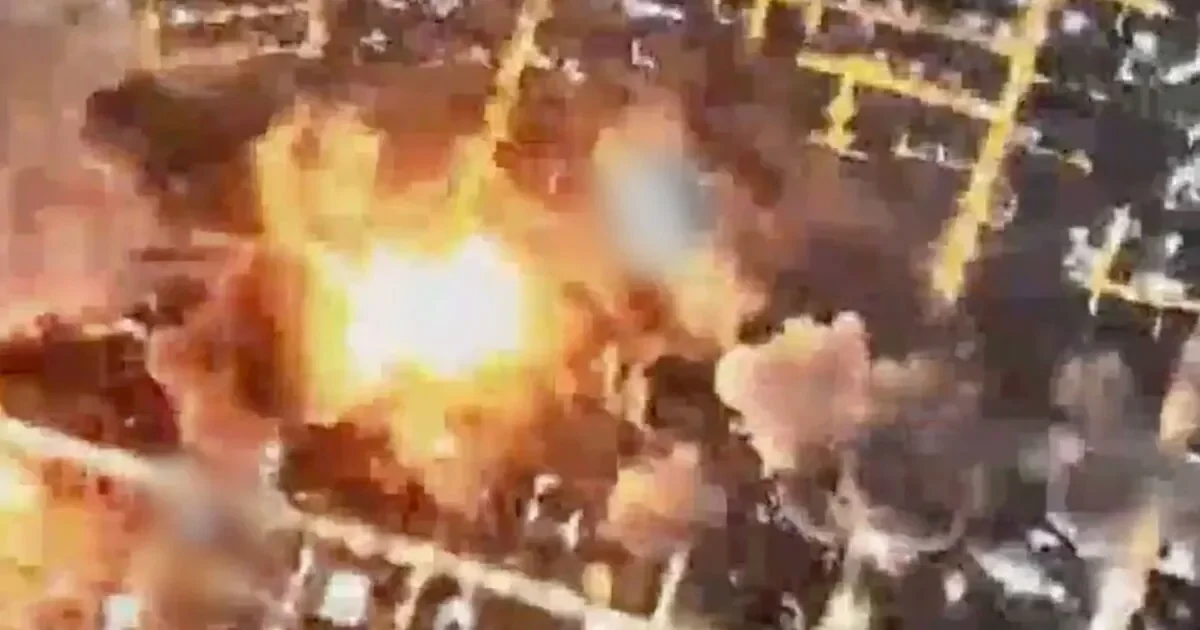
The United States military has carried out a series of targeted airstrikes against more than 30 Islamic State (IS) targets within Syria. This campaign of military action is framed by U.S. Central Command (CENTCOM) as a direct reprisal for a deadly ambush on December 13th that resulted in the deaths of two U.S. soldiers and a civilian interpreter. These operations are intended to exert "relentless military pressure" on the terrorist network.
Context of Operations
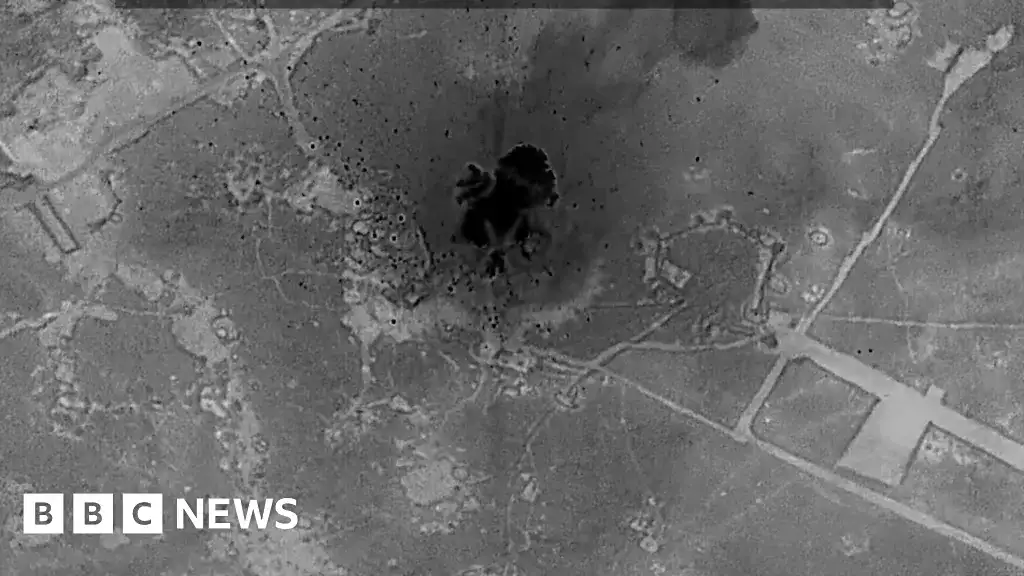
U.S. Central Command reports that between February 3rd and February 12th, its forces conducted 10 strikes against over 30 IS targets. This follows earlier actions, including five strikes executed between January 27th and February 2nd, which focused on an IS communications site, a logistics node, and weapons storage facilities.
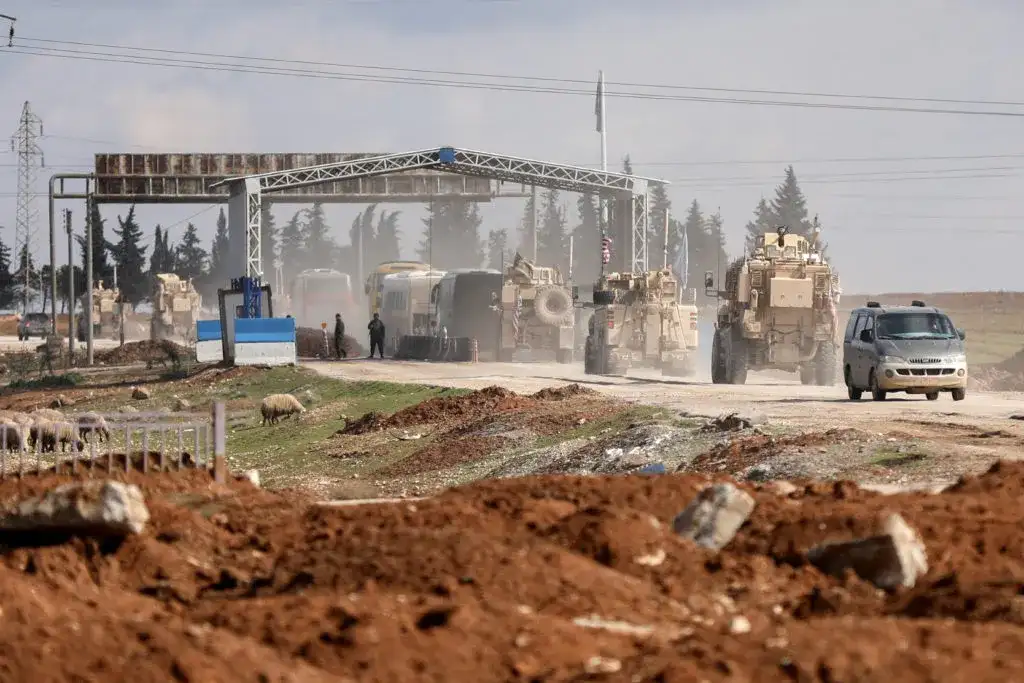
These operations are part of a broader initiative, including Operation Hawkeye Strike, which was initiated in response to a December 13th attack in Palmyra, Syria. During this ambush, U.S. soldiers Sergeant Edgar Brian Torres-Tovar and Sergeant William Nathaniel Howard, along with civilian interpreter Ayad Mansoor Sakat, were killed. Reports indicate that since the commencement of these targeted operations, more than 50 IS militants have been killed or captured. Over 100 IS infrastructure sites have reportedly been struck with hundreds of precision munitions.
Read More: US Strike Kills Six Suspected Traffickers on Boat in International Waters
Furthermore, U.S. forces have been engaged in the transfer of adult male IS suspects from Syrian detention facilities to Iraqi custody. Between January 21st and February 19th, over 5,700 such individuals were moved.

Evidence of Operations
CENTCOM has publicly stated that its forces conducted the recent strikes. Descriptions of the operations detail:
Precision Munitions: Hundreds of precision munitions have been employed.
Targeted Sites: Strikes have hit weapons storage facilities, communications sites, logistics nodes, and other infrastructure.
Scale of Action: The recent 10 strikes alone reportedly targeted more than 30 IS positions. Earlier actions involved five strikes on critical facilities.
While specific imagery of the strikes was not detailed in the provided summaries, CENTCOM's official press release from February 13th confirms the commencement and ongoing nature of these operations.
Read More: Gulf Oil Exports Rise in June but Still Below Pre-War Levels
Deep Dives
Retaliation as a Driving Force
The stated impetus for the current U.S. military actions is retaliation. The December 13th ambush in Palmyra, which claimed the lives of two U.S. soldiers and a civilian interpreter, is directly cited as the cause. U.S. Central Command has explicitly linked these strikes to that event, describing them as occurring "in retaliation for the December ambush." The implementation of Operation Hawkeye Strike was announced following this incident.
Argument for Retaliation: The consistent reporting across multiple sources that these strikes are a direct response to the Palmyra attack.
Potential Counter-Argument: While framed as retaliation, the sustained military pressure on IS infrastructure could also be viewed as a continuation of existing counter-terrorism efforts, with the ambush serving as a catalyst for intensified action.
Sustained Military Pressure and its Impact
U.S. Central Command emphasizes the objective of maintaining "relentless military pressure" on the IS network. Reports indicate that over two months of targeted operations have resulted in the killing or capture of more than 50 IS militants and the striking of over 100 infrastructure targets.
Reported Success: CENTCOM claims significant disruption of IS capabilities through these actions.
Uncertainty: The precise long-term impact of these strikes on the overall operational capacity of IS in the region remains subject to further observation. The number of individuals transferred to Iraqi custody also represents a significant operational development for the U.S. military in managing IS detainees.
Strategic Objectives and Methods
The U.S. military's strategy appears to encompass both direct kinetic action and the management of captured combatants. The strikes target key IS assets like communication hubs and storage facilities, aiming to degrade their operational capacity. Simultaneously, the transfer of thousands of suspects to Iraq suggests a policy shift in detainee management.
Read More: Iran bunker destroyed by Israel on Friday after Khamenei's death
Operational Range: The strikes demonstrate U.S. military reach and capability within Syria.
Inter-Agency Coordination: The transfer of detainees to Iraq implies a level of inter-governmental or international cooperation in managing the fallout of counter-terrorism operations.
Expert Analysis
Credible analysis on the specific impact and effectiveness of these operations would require statements from military strategists or counter-terrorism experts commenting on the intelligence supporting these strikes and their projected outcomes. However, based on the provided information, the stated intent is clear: to degrade IS capabilities and deter future attacks through direct military engagement and the removal of fighters from operational areas.
Conclusion and Implications
The U.S. military's intensified strikes in Syria represent a clear and direct response to the deaths of American personnel in a December ambush. CENTCOM's operations are multi-faceted, involving precision airstrikes against IS infrastructure and the transfer of a substantial number of detainees. These actions underscore a commitment to countering IS threats in the region and asserting military presence.
The immediate implications point to a continued focus on degrading IS operational capabilities. The long-term consequences will depend on the sustainability of these strikes, the effectiveness of IS’s adaptation, and the ongoing efforts in managing detainees and combating terrorist networks.
Read More: US-Iran Talks Stall Over Strait of Hormuz Control on 7 April 2026
Sources
CBS News: U.S. Central Command strikes Islamic State in Syria as it continues "relentless military pressure" on terrorist network.
UPI.com: U.S. Central Command strikes Islamic State in Syria.
https://www.upi.com/TopNews/World-News/2026/02/14/syria-us-strikes-isis/6561771120705/
AP News: US military reports a series of airstrikes against Islamic State targets in Syria.
https://apnews.com/article/syria-islamic-state-group-us-airstrikes-retaliation-463c9b7a1ddfd32e85bd1131ff593ee8
PBS NewsHour: U.S. targets Islamic State in Syria with series of airstrikes.
https://www.pbs.org/newshour/world/u-s-targets-islamic-state-in-syria-with-series-of-airstrikes
Sky News: US strikes dozens of Islamic State targets in Syria in retaliation for deadly ambush.
https://news.sky.com/story/us-strikes-dozens-of-islamic-state-targets-in-syria-in-retaliation-for-deadly-ambush-13507580
U.S. Central Command (CENTCOM) Official Release: U.S. Forces Continue Strikes on ISIS Targets in Syria.
https://www.centcom.mil/MEDIA/PRESS-RELEASES/Press-Release-View/Article/4407029/us-forces-continue-strikes-on-isis-targets-in-syria/
BBC News: US military strikes Islamic State group targets in Syria, officials say.