A Routine Patrol Turns Tragic
On a recent Sunday, a forest guard named Sahabuddin, aged 54, lost his life following a rhino attack within Kaziranga National Park and Tiger Reserve in Assam. Another guard, Ramen Bora, was injured in the same incident and required medical attention. This event brings into sharp focus the daily dangers faced by those tasked with protecting wildlife and the fragile ecosystems they inhabit, especially in a place recognized as a UNESCO World Heritage site. The park, known for its dense population of the Indian rhinoceros, requires constant vigilance from its staff.

Details of the Incident
The fatal encounter occurred around noon near the Bordoloni Camp in the Kohora Range of the park. Sahabuddin and Ramen Bora were engaged in their standard patrolling duties when a rhinoceros suddenly attacked them. Officials confirmed that Sahabuddin died at the scene due to severe injuries sustained to his head and chest. Ramen Bora received initial treatment at the Kohora medical facility before being transferred to Jorhat Medical College and Hospital for further care. The location of the attack, near Bardalani camp, was part of a routine patrol route.
Read More: Orangutan Mothers Plan Playdates for Babies in Borneo

Previous Incidents and Safety Concerns
This is not the first instance of staff being harmed by wildlife in Kaziranga. In early February 2024, two forest staff, identified as Tonuj Bora and Jayanta Hazarika, were injured in a separate rhino attack near the Ververi area while on patrol. Earlier in February, another forest guard, Pinku Chandra Nath, was injured near the Ikorani Beel of Bokpara forest camp. In that particular incident, reports suggest Nath fell from an elephant while on duty, potentially after the elephant was startled by a rhino. These repeated events raise significant questions about the safety protocols in place for forest personnel working in such high-risk environments.
The Harsh Reality of Conservation Work
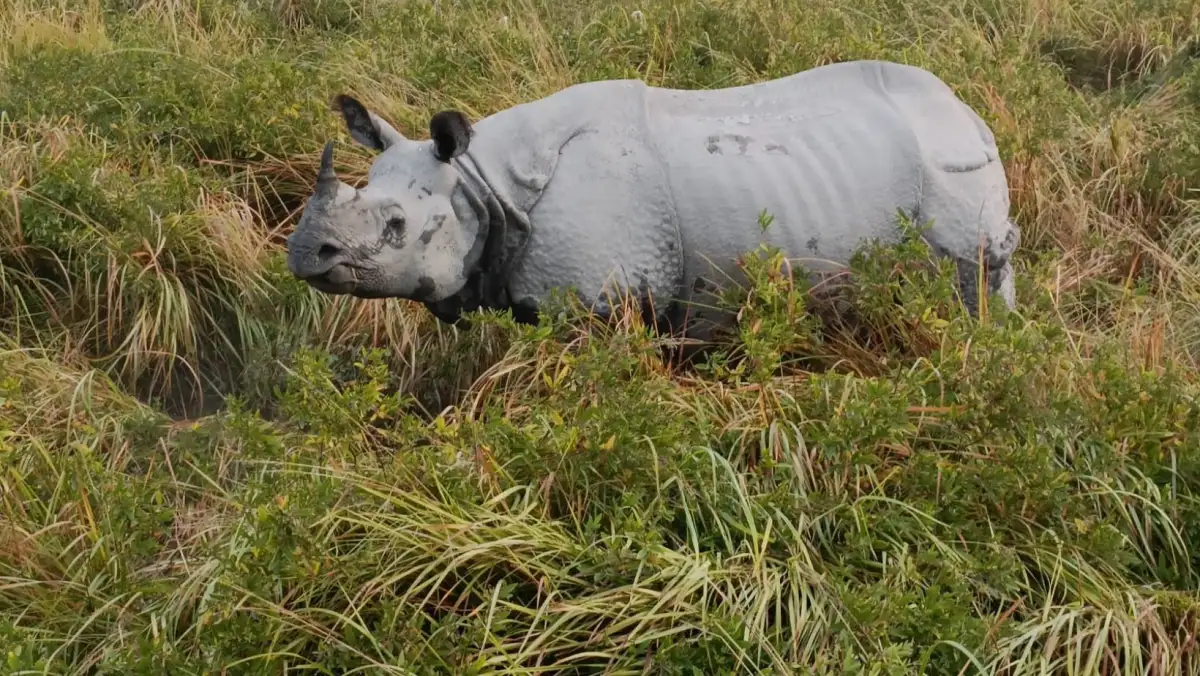
Kaziranga National Park is home to a significant population of the Indian rhinoceros, a species that faces numerous threats, including poaching. Protecting these animals and their habitat is a complex and dangerous undertaking. Frontline forest staff operate in close proximity to powerful wildlife, and incidents like the one involving Sahabuddin highlight the inherent risks of their profession.
Read More: India IVF Costs And Social Barriers Limit Access In April 2026
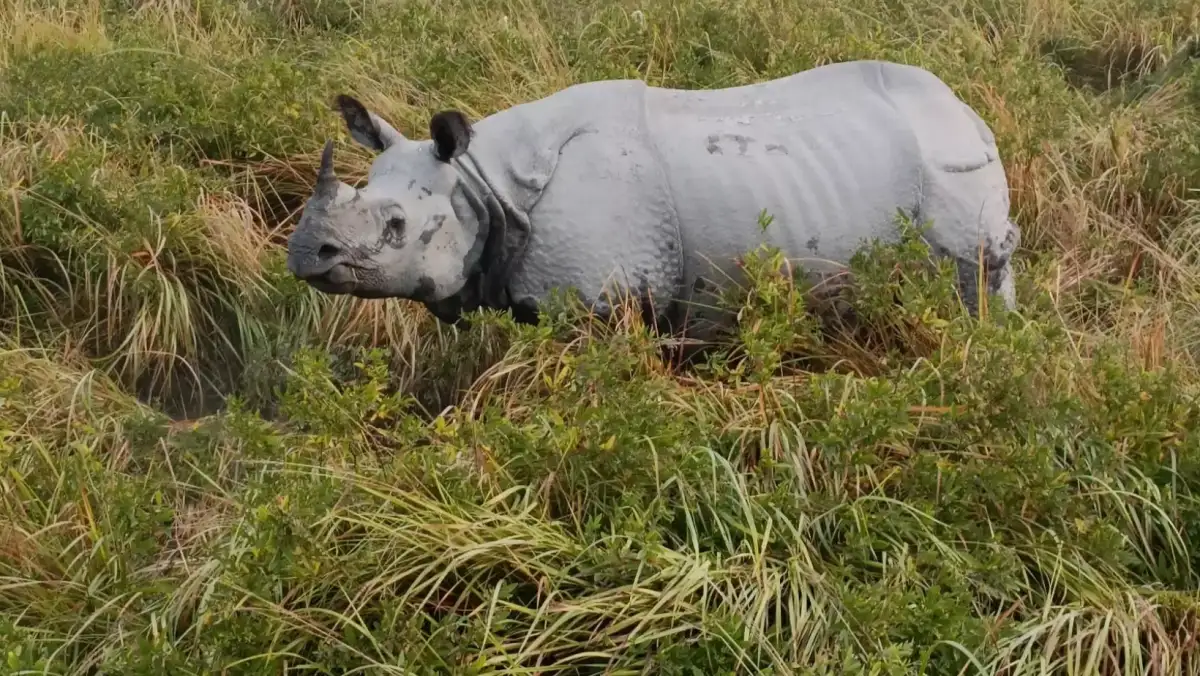
The park's dense vegetation and the territorial nature of rhinos can create unpredictable encounters.
Staff often patrol on foot or elephant back, limiting their immediate escape options.
Conservation efforts necessitate close observation of animal behavior and movements, increasing the potential for confrontation.
Official Response and Ongoing Concerns
Following the recent attack, park officials have reiterated the hazards faced by forest staff. While the park is equipped with measures for wildlife protection, the continuous risk of animal encounters remains a significant concern. The Director of Kaziranga National Park and Tiger Reserve, Sonali Ghosh, has acknowledged the dangerous nature of the work undertaken by her team. The incident underscores the need for ongoing evaluation and potential enhancement of safety measures for the personnel safeguarding this vital natural reserve.
The immediate aftermath involved medical attention for the injured guard and the unfortunate confirmation of Sahabuddin's death.
The park administration is tasked with ensuring that such tragic events do not become a recurring feature of their conservation efforts.
Expert Analysis on Wildlife-Human Encounters
Wildlife experts often point to several factors contributing to increased human-animal conflict in protected areas. These can include habitat encroachment, seasonal changes affecting animal behavior, and the sheer density of animal populations within confined park boundaries.
"Protecting a megafauna species like the rhinoceros requires immense dedication from rangers. However, we must also ensure they are adequately equipped and trained to mitigate the inherent risks associated with their proximity to these animals," stated a wildlife conservationist not directly involved in the Kaziranga incident but familiar with similar challenges in other reserves.
The dynamic of rhinos interacting with park staff is particularly challenging. While generally solitary, rhinos can be aggressive and territorial, especially if they feel threatened or are protecting their young. Was the rhino disturbed during its routine?
Read More: Japan Adds 800 Cameras To Track Bears After 5 Deaths This Year
Conclusion and Way Forward
The death of forest guard Sahabuddin is a profound loss and a stark reminder of the dangers faced by conservation personnel. The recurring nature of rhino attacks on park staff necessitates a thorough review of existing safety protocols.
Immediate Assessment: A detailed inquiry into the circumstances of the attack is crucial to understand how the encounter escalated.
Protocol Review: Kaziranga National Park's management will likely need to assess and possibly update its Standard Operating Procedures for patrols in high-risk areas.
Staff Support: Ensuring adequate training, equipment, and psychological support for forest staff engaged in dangerous wildlife protection duties is paramount.
The tragic incident at Kaziranga highlights the critical, often perilous, role of forest guards in preserving biodiversity. Their commitment to conservation is indispensable, and their safety must remain a top priority.
Sources
The Hindu: https://www.thehindu.com/news/national/assam/guard-killed-in-rhino-attack-at-kaziranga-national-park-and-tiger-reserve/article70635210.ece
Devdiscourse: https://www.devdiscourse.com/article/science-environment/3805896-tragedy-in-kaziranga-rhino-attack-claims-forest-guards-life
NewsDrum: https://www.newsdrum.in/national/forest-guard-killed-another-injured-in-rhino-attack-in-assam-11108793
Sentinel Assam: https://www.sentinelassam.com/north-east-india-news/assam-news/assam-rhino-attacks-forest-guard-in-kaziranga-national-park-injured
News Live: https://newslivetv.com/assam-forest-officials-injured-after-rhino-attack-in-kaziranga/
Pratidin Time: https://www.pratidintime.com/latest-assam-news-breaking-news-assam/forest-guard-injured-in-rhino-attack-at-kaziranga-national-park