Iran has signaled a willingness to consider compromises on its nuclear program, contingent on the United States easing economic sanctions. This overture comes amid ongoing international scrutiny and renewed diplomatic efforts. Iranian officials state that their primary focus remains the nuclear issue, explicitly excluding discussions on their ballistic missile program, a point of contention with Israel. The United States, meanwhile, has maintained that Iran is the party hindering progress in the protracted negotiations.
Diplomatic Overtures Amidst Tensions
Recent developments indicate Iran's readiness to engage in dialogue with the US concerning its nuclear activities. This willingness appears to be directly tied to the prospect of sanctions relief. The announcement follows a period of heightened tension, including US strikes on Iranian nuclear infrastructure in June, described as "Operation Midnight Hammer."
Indirect Talks: Switzerland has confirmed that Oman will host indirect talks between the US and Iran in Geneva next week.
US Stance: Washington is pressing Tehran to agree to limitations on its nuclear program.
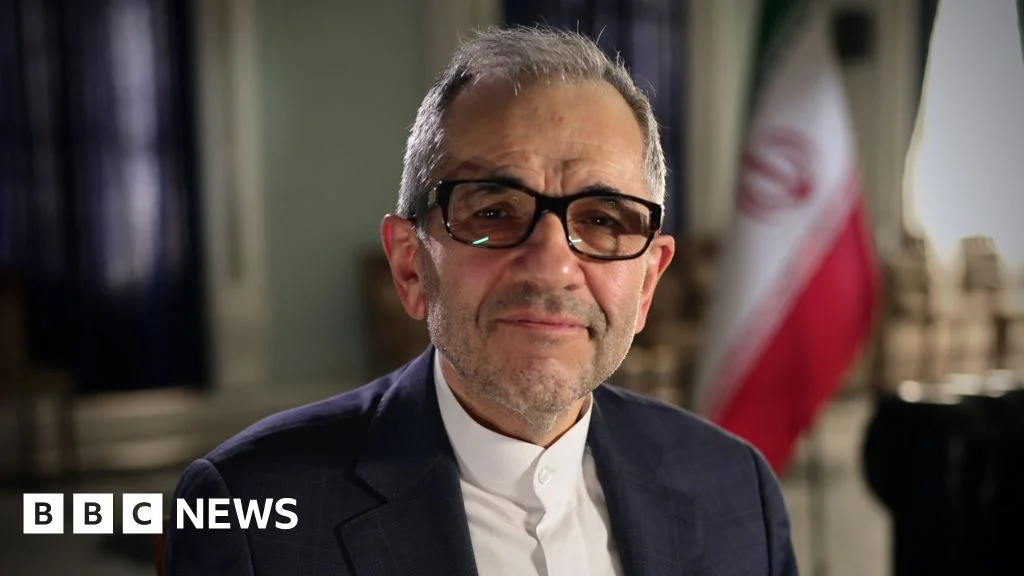
Iranian Condition: Iran's Deputy Foreign Minister, Majid Takht-Ravanchi, stated that the progression of talks is dependent on US sincerity and a willingness to discuss lifting sanctions. He remarked, "If they are sincere, I'm sure we will be on the road to an agreement."
Exclusions: Iran maintains a firm stance against including its ballistic missile program in negotiations, a key demand from Israel.
Domestic Context: These diplomatic exchanges occur against a backdrop of internal crackdowns in Iran, with human rights groups reporting significant casualties during recent anti-government protests.
Sanctions and Missile Programs: Key Negotiating Points
The core of the diplomatic impasse seems to center on the issue of sanctions and Iran's missile capabilities. Iran's Deputy Foreign Minister, Majid Takht-Ravanchi, has been vocal in his assessment of the situation, suggesting the onus is on the United States to demonstrate a genuine desire for an agreement.
Read More: UK and Allies Say Russia Responsible for Navalny's Death
"The ball is in America’s court to prove that they want to do a deal."
He further articulated this position to the BBC, stating that if US officials show "genuine intent," progress toward a renewed nuclear deal would be achievable. This linkage between sanctions relief and compromise is a central theme in Iran's current diplomatic posture.
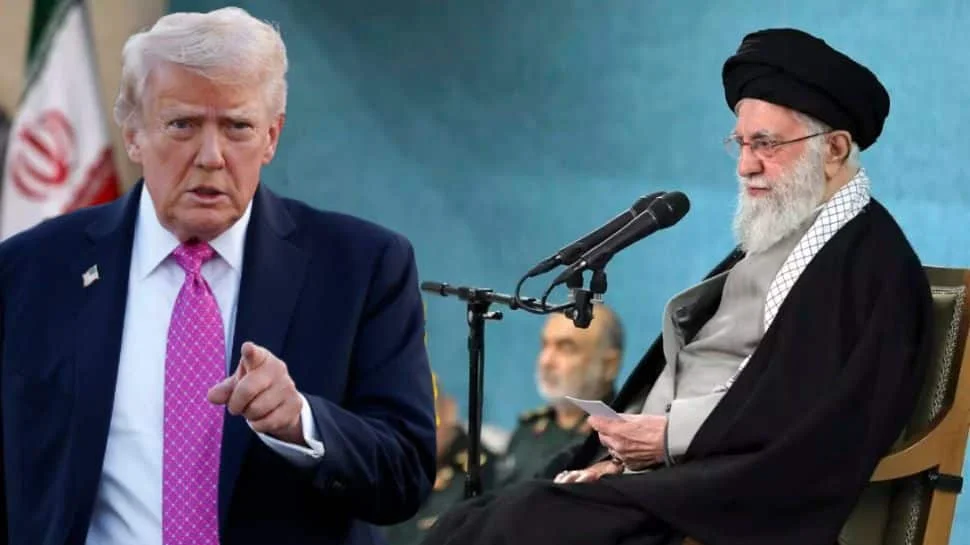
Conversely, US officials have expressed a desire to return to an agreement but have consistently emphasized the need for verifiable limitations on Iran's nuclear activities. Reports indicate that US President Donald Trump and Israeli Prime Minister Benjamin Netanyahu have agreed to intensify economic pressure on Iran, a move that could impact the negotiation dynamics.
| Issue | Iran's Position | US Position |
|---|---|---|
| Nuclear Program | Willing to discuss compromises | Seeks verifiable limitations |
| Sanctions | Demands relief as a prerequisite for compromise | Open to discussion, but progress on nuclear program is key |
| Missile Program | Explicitly excludes from negotiations | Key demand from Israel, implicitly a point of US pressure |
| Negotiation Pace | Believes US sincerity will lead to agreement | Accuses Iran of slowing the process |
Regional and International Implications
The ongoing nuclear negotiations between Iran and the United States carry significant weight for regional stability and global geopolitics. European partners and Middle Eastern neighbors are observing these developments closely, recognizing the potential for breakthroughs or breakdowns to influence economic sanctions and broader geopolitical alignments.
Read More: US Military Attacks ISIS in Syria After Soldiers Die

Reports indicate that a second round of discussions on Iran's nuclear program is scheduled for next week in Geneva, facilitated by Switzerland. This resumption of talks follows previous rounds held since January, which were reportedly interrupted by the outbreak of war in June.
The E3 countries – the United Kingdom, France, and Germany – have also been active, triggering the UN's snapback sanctions mechanism against Iran. This action, alongside Israeli airstrikes on Iranian nuclear targets, adds another layer of complexity to the already delicate diplomatic landscape.
Underlying Distrust and Domestic Pressures
Despite the signals of compromise, a significant undercurrent of mistrust remains between Iran and the United States. This sentiment was evident during indirect talks held in Oman, which appeared to return to the fundamental challenge of establishing a framework for future negotiations.
Read More: UK and Allies Say Russia Killed Navalny
"The talks needed to include all those issues."
Iranian officials have reiterated that negotiations will be confined to the nuclear program. However, the exact terms Iran is willing to negotiate remain unclear, compounded by lingering threats and the influence of domestic political factions within Iran that favor a more hardline approach. Skeptics suggest that deep-seated mistrust and domestic political pressures on both sides could still derail any potential progress toward a new accord.
Expert Perspectives
International observers and analysts remain cautiously watchful. Many express skepticism about the imminence of a new agreement, citing the complex history of the negotiations and the persistent obstacles. The involvement of regional actors, such as Israel, and the broader geopolitical landscape further complicate the path to a resolution.
Conclusion and Next Steps
Iran's recent signaling of a willingness to compromise on its nuclear program, linked to US sanctions relief, represents a potentially significant development. The upcoming indirect talks in Geneva will be crucial in determining whether this overture can translate into tangible progress.
Read More: Iran Says It Will Talk About Nuclear Deal If US Lifts Sanctions
Key next steps include:
Observing Geneva Talks: Monitoring the outcomes of the upcoming indirect negotiations between the US and Iran in Geneva.
Sanctions Relief Discussion: Assessing the degree to which the US is willing to engage on sanctions relief.
Ballistic Missile Stance: Verifying if Iran maintains its exclusion of the ballistic missile program from discussions.
Regional Dynamics: Considering the impact of Israeli and other regional stances on the negotiation process.
Mistrust Mitigation: Determining if mechanisms can be put in place to address the deep-seated mistrust between the two nations.
The ability of both sides to navigate these complex issues, coupled with genuine engagement on sanctions and nuclear limitations, will ultimately determine the viability of a renewed nuclear deal.
Sources
Gulf News: https://gulfnews.com/world/americas/iran-ready-to-discuss-compromises-to-reach-nuclear-deal-report-1.500443910 (Published: 8 hours ago)
BBC News: https://www.bbc.com/news/articles/clyz4y3zwz5o (Published: 8 hours ago)
Zee News: https://zeenews.india.com/world/iran-signals-willingness-for-nuclear-deal-compromise-if-us-eases-sanctions-3017166.html (Published: 5 minutes ago)
i24NEWS: https://www.i24news.tv/en/news/middle-east/iran-eastern-states/artc-ball-is-in-america-s-court-iran-signals-willingness-to-compromise-on-nuclear-deal (Published: 1 hour ago)
The English Chronicle: https://theenglishchronicle.com/News/12381/ (Published: 8 hours ago)
EFE: https://efe.com/en/latest-news/2025-09-06/iran-willingness-resume-nuclear-talks-us-new-conditions/ (Published: Sep 6, 2025)
CBS News: https://www.cbsnews.com/news/iran-us-talks-nuclear-negotiations-to-continue-despite-mistrust/ (Published: Feb 6, 2026)
Read More: EU's Kallas Says Europe Not Facing 'Civilizational Erasure'