Recent statements from Iran suggest a willingness to engage in compromises to reach a nuclear deal with the United States. Iranian Deputy Foreign Minister Majid Takht-Ravanchi has indicated that Tehran is open to discussing concessions regarding its nuclear program, provided Washington shows a readiness to lift existing sanctions. This diplomatic overture comes as both nations prepare for a second round of talks scheduled in Geneva, Switzerland, following initial discussions held in Oman. The context is complex, involving a history of strained relations, international concerns over Iran's nuclear ambitions, and the United States' strategic positioning in the Middle East.
Diplomatic Overture Amidst Tense Relations
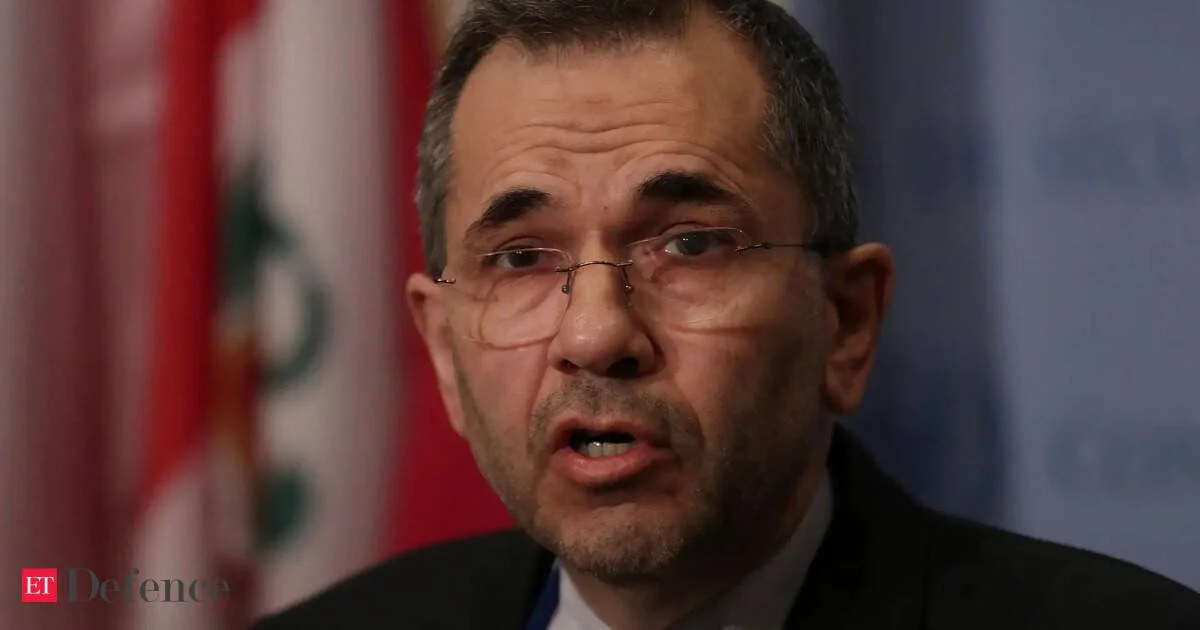
Iran's Deputy Foreign Minister, Majid Takht-Ravanchi, has publicly stated Iran's openness to compromise in nuclear negotiations with the United States. This sentiment was conveyed in a recent BBC interview, highlighting Iran's stance that the "ball is in America's court."
Read More: Iran Zagros Mountain Nuclear Site Construction Update April 2026

Iran's position hinges on the United States' willingness to engage in discussions about lifting sanctions.
Takht-Ravanchi emphasized this flexibility as a demonstration of Iran's readiness for an agreement if the U.S. is "sincere."
This declaration follows a resumption of direct and indirect talks between Tehran and Washington, commencing in Oman earlier this month.
A second round of talks is scheduled for Tuesday in Geneva, with the United States delegation including envoys Steve Witkoff and Jared Kushner. Omani representatives are expected to mediate these discussions.
International Scrutiny and U.S. Stance
The United States, while acknowledging the ongoing diplomatic efforts, maintains a firm red line concerning Iran's nuclear capabilities. Secretary of State Marco Rubio reiterated that Iran will "never be permitted to acquire a nuclear weapon," a stance echoed by President Donald Trump, who favors a diplomatic resolution.

The U.S. has reportedly increased its military presence in the Middle East, including the deployment of a second aircraft carrier, citing Iran's past actions as a reason for maintaining forces in the region.
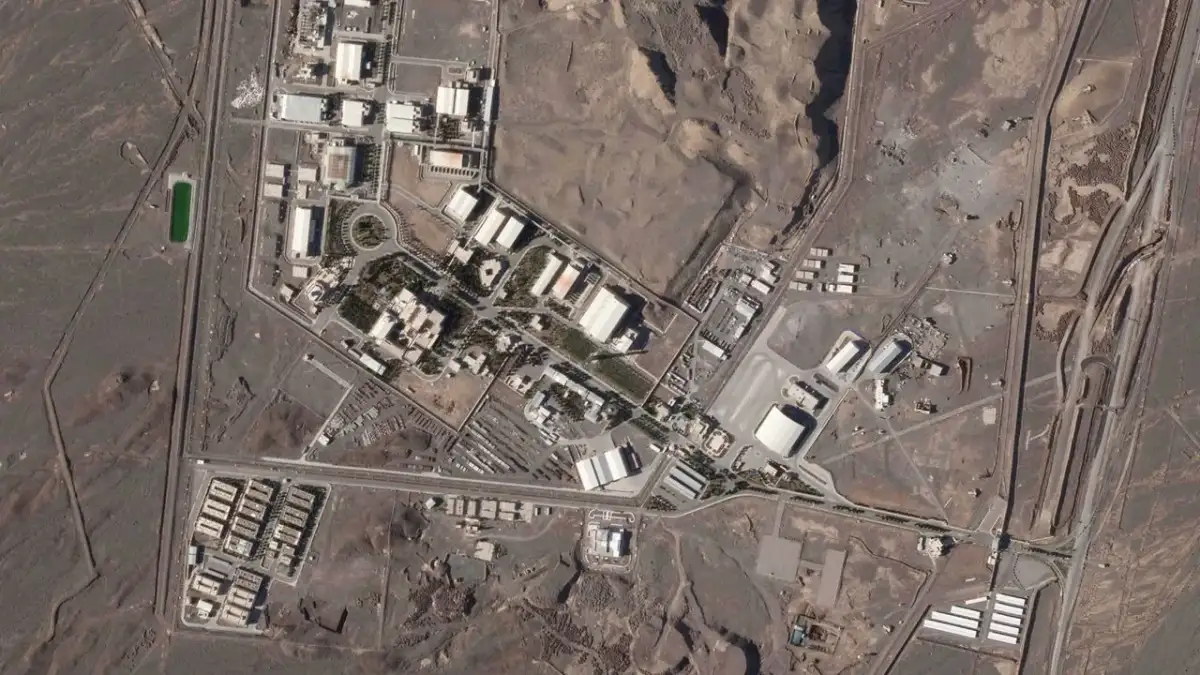
These developments occur against a backdrop of previous U.S. military actions, such as 'Operation Midnight Hammer' in June, which targeted Iranian nuclear infrastructure, including facilities at Fordow, Natanz, and Isfahan.
President Trump has also issued warnings about potential military action if negotiations fail, though he simultaneously expresses a preference for diplomacy.
Iran's Non-Negotiables and Historical Context
While open to discussing nuclear program limitations in exchange for sanctions relief, Iran has been unequivocal about its refusal to negotiate on its ballistic missile program. This has been a significant point of contention, particularly with Israel, which views Iran's missiles as a direct threat.
Iran has consistently denied seeking nuclear weapons, asserting its program is for peaceful purposes.
The current negotiations aim to revive a deal that would see sanctions eased in return for Iran limiting its nuclear activities.
The reports of Iran's crackdown on anti-government protests last month, which human rights groups allege resulted in numerous deaths, add another layer of complexity to the international landscape surrounding these talks.
Analytical Perspectives
The recent statements from Iran indicate a strategic move to leverage the ongoing talks for sanctions relief. The emphasis on compromise, coupled with the clear delineation of non-negotiable issues like the ballistic missile program, suggests a calculated approach to diplomacy.
Read More: 40 Die in Quetta to Peshawar Bus Crash in Balochistan on April 3 2026
Iran's Leverage: By linking compromise to sanctions relief, Iran is attempting to extract tangible benefits from its diplomatic engagement.
U.S. Considerations: The U.S. faces the challenge of balancing its security concerns, regional stability, and the pursuit of a diplomatic solution. The increased military presence may serve as a deterrent and a show of resolve.
External Pressures: The stance of allies like Israel, which views Iran's missile program as a significant threat, likely influences U.S. negotiating positions.
The forthcoming talks in Geneva will be a crucial test of whether both sides can bridge their differences, particularly regarding the scope of negotiations and the conditions for lifting sanctions. The reiteration of the U.S. commitment to preventing Iran from acquiring nuclear weapons, juxtaposed with Iran's expressed willingness to negotiate, sets a complex stage for future discussions.
Key takeaway: Iran is prepared to compromise on its nuclear program in exchange for the U.S. lifting sanctions.
Signal: The upcoming Geneva talks are critical for assessing the sincerity and potential outcomes of this diplomatic process.
Conclusion
Iran's announcement of openness to compromise in nuclear talks, contingent on the United States lifting sanctions, marks a significant development in the protracted diplomatic efforts. Deputy Foreign Minister Majid Takht-Ravanchi's statements signal a potential pathway towards an agreement, but the ultimate success hinges on substantive negotiations regarding sanctions and Iran's nuclear activities. The United States' firm stance on preventing a nuclear-armed Iran, alongside its increased military presence in the region, underscores the high stakes involved. Iran's steadfast refusal to discuss its ballistic missile program remains a significant hurdle. The scheduled talks in Geneva represent a pivotal moment to gauge the sincerity of both parties and the possibility of de-escalating tensions through dialogue.
Read More: Ayatollah Ali Khamenei Funeral Schedule in Iran and Iraq April 2026
Sources:
The Irish Times: https://www.irishtimes.com/world/middle-east/2026/02/15/iran-open-to-compromises-to-reach-nuclear-deal-with-us-foreign-minister-says/ - Article focuses on Iran's Deputy Foreign Minister's statement about readiness for compromise conditional on U.S. lifting sanctions and upcoming talks.
Gulf News: https://gulfnews.com/world/americas/iran-ready-to-discuss-compromises-to-reach-nuclear-deal-report-1.500443910 - Reports on Iran's willingness to negotiate a deal, while also mentioning U.S. strikes on Iranian nuclear infrastructure and Iran's refusal to discuss missiles.
The Economic Times: https://economictimes.indiatimes.com/news/defence/iran-open-to-compromises-to-reach-nuclear-deal-with-us-report/articleshow/128375479.cms - Covers Iran's openness to compromise for a nuclear deal if sanctions are lifted and upcoming talks.
News18: https://www.news18.com/world/iran-ready-to-consider-compromises-for-nuclear-deal-if-us-lifts-sanctions-deputy-foreign-minister-ws-l-9904763.html - Details Deputy Foreign Minister Takht-Ravanchi's statement on compromise tied to sanctions relief and upcoming Geneva talks.
Geo.tv: https://www.geo.tv/latest/650929-open-to-compromises-to-reach-nuclear-deal-with-us-iranian-minister - Reports Iran's minister stating openness to compromise for a deal if sanctions are lifted, and confirming upcoming talks.
National Herald India: https://www.nationalheraldindia.com/international/iran-open-to-compromises-for-nuclear-deal-if-us-discusses-sanctions-relief-deputy-fm - Highlights Iran's readiness for compromise if sanctions are discussed, with the "ball in America's court."
Firstpost: https://www.firstpost.com/world/iran-open-to-nuclear-compromises-us-lifts-sanctions-trump-warning-geneva-talks-13979983.html - Covers Iran's openness to compromise for sanctions relief and upcoming Geneva talks, alongside U.S. statements on red lines and military presence.