Recent declarations by the United Kingdom and several European nations place blame squarely on the Russian state for the death of opposition leader Alexei Navalny. The accusation, stemming from newly analyzed evidence, centers on the alleged use of a potent toxin derived from dart frogs to cause his demise. This development escalates international pressure on Russia, with calls for concrete action and renewed scrutiny of its activities. The implications for diplomatic relations and ongoing security discussions are significant.

Events Leading to the Accusations
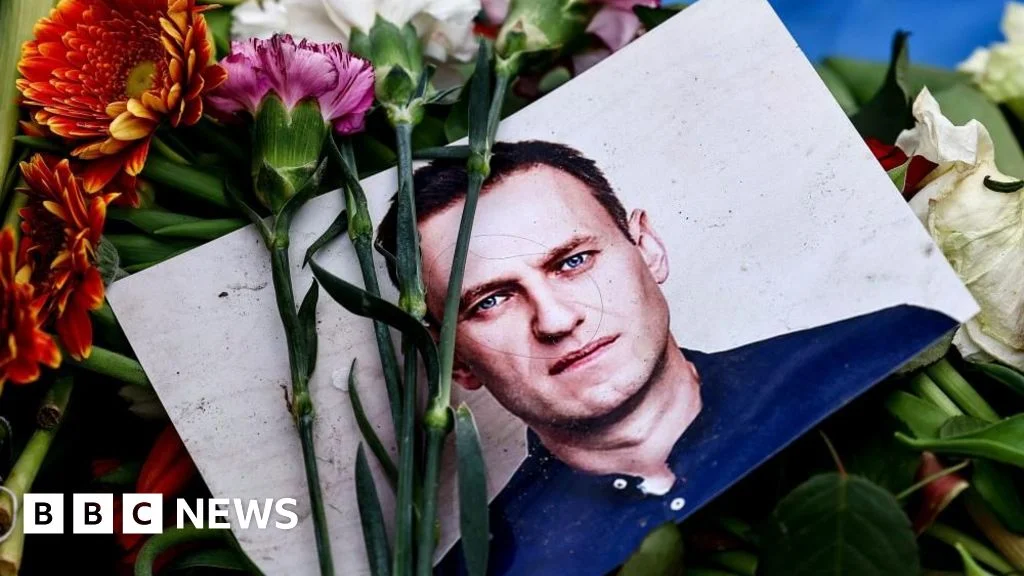
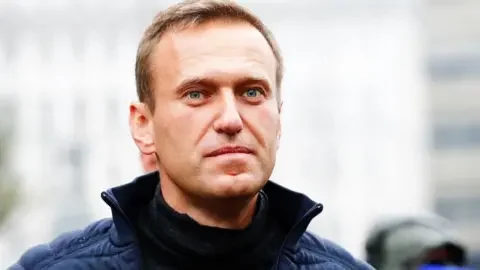
Alexei Navalny, a prominent critic of Russian President Vladimir Putin, died in a Siberian penal colony approximately two years ago. His death occurred while he was serving a lengthy sentence on charges widely considered to be politically motivated. Following his death, intelligence agencies and laboratories in several countries, including the UK and Sweden, reportedly conducted analyses on samples taken from Navalny's body.
Read More: US, Israel strikes kill Iran leader, hit nuclear sites on Feb 28, 2026
Feb. 14, 2026 (approximate): Joint statements released by the UK and at least four European allies publicly allege that Navalny was killed using a toxin identified as epibatidine, a substance found in the skin of South American dart frogs.
Analysis of Samples: Samples secured before Navalny's burial were sent to international laboratories. Reports indicate these analyses identified the presence of the dart frog toxin in his system, which is not naturally found in Russia and is not produced by captive dart frogs.
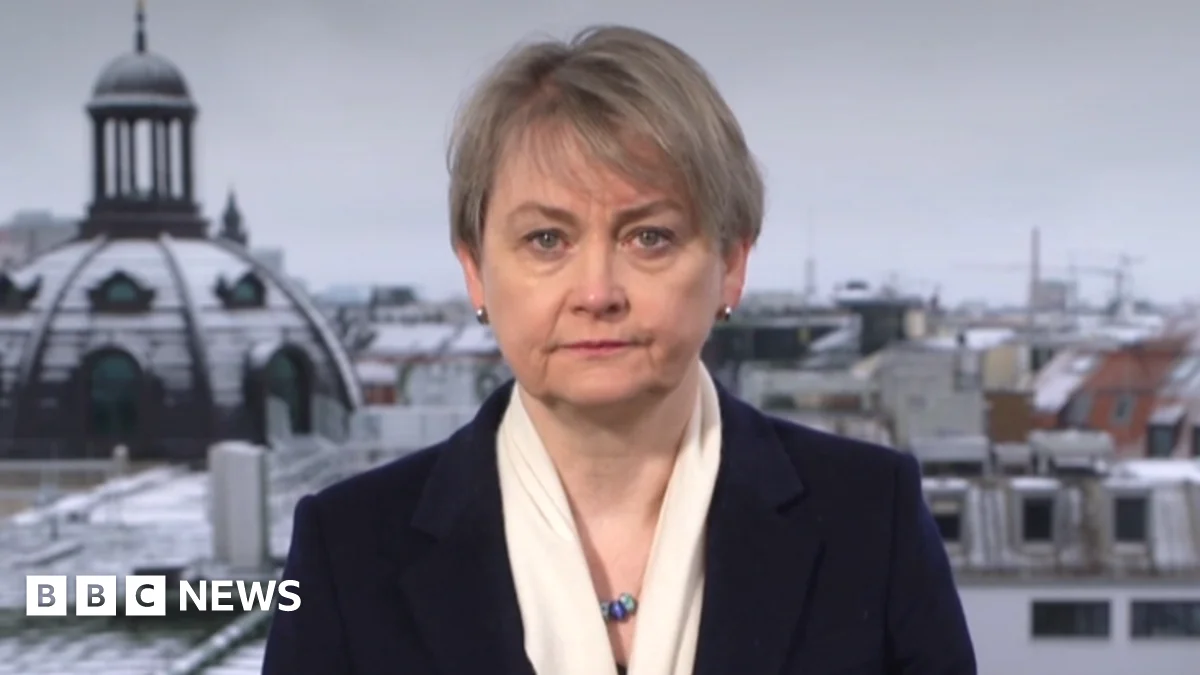
Public Statements: UK Foreign Secretary Yvette Cooper, along with officials from other allied nations, stated that Russia possessed the "means, motive, and opportunity" to administer the poison.
Diplomatic Action: The involved European nations announced they are reporting Russia to the Organization for the Prohibition of Chemical Weapons for alleged breaches of the Chemical Weapons Convention.
Evidence and Findings
The core of the current accusations rests on laboratory findings and the unique nature of the identified toxin.
Toxin Identification: The substance identified is epibatidine, a toxin originating from certain species of South American dart frogs. This poison is described as exceptionally potent, with one report noting it is 200 times stronger than morphine and can cause victims to suffocate in agony.
Origin and Availability: Epibatidine is not found naturally in Russia. Furthermore, dart frogs in captivity do not produce this toxin, suggesting a deliberate procurement or synthesis process.
Means, Motive, and Opportunity: British and allied officials have asserted that only the Russian state had the capacity, reason, and circumstances to deploy such a toxin against Navalny while he was imprisoned.
Russian Denials: Russian authorities have previously denied any involvement in Navalny's death. Following the recent accusations, Russia's Foreign Ministry stated that a comment would be made once test results and substance formulas were provided.
Competing Perspectives on Navalny's Death
While the UK and its allies have presented a unified front in their accusations, other viewpoints and counter-arguments exist.
| Perspective | Accusations Raised | Evidence Cited | Counter-Arguments/Skepticism |
|---|---|---|---|
| UK and Allies | Russia deliberately poisoned Alexei Navalny with a rare dart frog toxin (epibatidine) to silence him. | Laboratory analysis of samples from Navalny's body confirmed the presence of epibatidine. | None explicitly stated within the provided text, but previous Russian denials are noted. |
| Russian Authorities | Have previously denied involvement in Navalny's death. | No specific evidence presented in response to the latest accusations; statement awaits detailed findings. | Allegations are often met with accusations of "media hysteria" and lack of concrete proof. |
| Navalny's Circle/Wife | Navalny's widow, Yulia Navalnaya, has repeatedly blamed Putin for her husband's death and stated that independent labs found evidence of poisoning. | Reports of Navalny being close to release in a prison exchange; smuggling of samples out of Russia. | No direct counter-arguments, but focus is on their personal conviction and continuation of Navalny's work. |
| Unspecified Critics | Accusations are sometimes framed as lacking sufficient concrete evidence, with some past instances involving "strident accusations" and "media hysteria." | Claims of lack of evidence and questions deliberately ignored by accusers. | These critics may point to the difficulty of definitively proving state-sponsored action and the potential for political motivations behind the announcements. |
International Reactions and Calls for Action
The announcement has reverberated through international diplomatic circles, particularly at events like the Munich Security Conference.
Calls for Action: UK Foreign Secretary Yvette Cooper has urged for "direct action against these financial lifelines that basically are propping up Russia." She also highlighted the "persistent threat" of Russian aggression and stated that the "Cold War peace dividend has gone."
European Unity: The joint statement by multiple European nations underscores a coordinated effort to hold Russia accountable. Germany's foreign minister noted the extreme suffering caused by such poisons.
Sanctions: The UK has indicated it may impose new sanctions against Russia in response to the findings.
NATO and Transatlantic Partnerships: Discussions at the Munich Security Conference emphasized the enduring importance of the NATO alliance and transatlantic cooperation in addressing security threats, particularly from Russia.
Expert Analysis and Broader Implications
The deliberate timing of the announcement, coinciding with the Munich Security Conference, has been noted as a strategic move to maximize global attention.
Information Warfare: Naming a state allegedly responsible for such an act is considered a potent form of "information weapon."
Escalation of Tensions: The accusations contribute to a significant worsening of relations between Russia and Western nations, particularly in the context of ongoing geopolitical tensions and conflicts.
Security Debates: Navalny's death and the circumstances surrounding it have consistently been at the forefront of European security discussions, pushing for greater resolve against perceived Russian aggression.
Conclusion and Next Steps
The allegations that Russia used a dart frog toxin to poison Alexei Navalny represent a significant escalation in the international response to his death. Laboratory findings, coupled with the geopolitical assessment of means, motive, and opportunity, form the basis of the UK and allied claims. Russia's denials and demand for detailed evidence frame the immediate next steps, likely involving further diplomatic exchanges, potential retaliatory measures such as sanctions, and continued reporting to international bodies like the Organization for the Prohibition of Chemical Weapons. The ongoing security discourse, particularly regarding European defense and the role of alliances like NATO, is profoundly shaped by these events and the enduring legacy of Alexei Navalny's opposition to the Russian state.
Read More: EES System Problems Cause Travel Delays for Cross-Channel Travellers from April 10th
Sources Used:
BBC News (Article 1): UK wants action taken on Russia after Navalny frog poisoning, Cooper says
The Guardian (Article 2): Russia killed Alexei Navalny with frog toxin, UK and four European allies say
https://www.theguardian.com/world/2026/feb/14/alexei-navalny-poisoning-death-russia-frog-toxin
BBC News (Article 3): Yvette Cooper warns 'Cold War peace dividend has gone' as UK accuses Russia of killing Alexei Navalny
BBC News (Article 4): Russia killed opposition leader Alexei Navalny using dart frog toxin, UK says
inews.co.uk (Article 5): Cooper warns UK could impose new sanctions against Russia
https://inews.co.uk/news/politics/uk-politics-live-latest-updates-16-4232736
IBTimes (Article 6): Navalny's Death: UK and Allies Accuse Russia of Poisoning with Rare Toxin
https://www.ibtimes.co.uk/alexei-navalny-death-poisoning-allegations-1779007
Sky News (Article 7): Russia killed Alexei Navalny with dart frog poison, UK and allies say
https://news.sky.com/story/navalny-died-after-being-poisoned-with-dart-frog-toxin-13507402
TIME (Article 8): Navalny Poisoned With 'Dart Frog' Toxin, Europeans Say
Sky News (Article 9): Why Navalny dart frog poison announcement was deliberately timed
https://news.sky.com/story/why-navalny-dart-frog-poison-announcement-was-deliberately-timed-13507725
CNN (Article 10): Russian opposition figure Navalny killed by toxin found in poison dart frogs, Europeans say
https://www.cnn.com/2026/02/14/europe/alexey-navaly-russia-poison-death-intl
IBTimes (Article 11): Navalny's Death: UK and Allies Reveal Dart Frog Toxin Poisoning
https://www.ibtimes.co.uk/navalny-dart-frog-toxin-poisoning-1779008
USA Today (Article 12): Alexei Navalny died from 'dart frog toxin,' UK accuses Russia of poisoning
https://eu.usatoday.com/story/news/world/2026/02/14/navalny-russia-poison-dart-frog/88678304007/
AP News (Article 13): Russia poisoned Alexei Navalny with dart frog toxin, European nations say
https://apnews.com/article/russia-navalny-poisoned-europe-4d92cd67f29d37b74b0d4842ea686b03
Evening Standard (Article 14): Britain blames Russia for poisoning Alexei Navalny with dart frog toxin
https://www.standard.co.uk/news/politics/alexei-navalny-britain-kremlin-russia-yvette-cooper-b1271052.html
Al Jazeera (Article 16): Russia’s Alexey Navalny killed by dart frog poison, European nations allege
https://www.aljazeera.com/news/2026/2/14/russias-alexey-navalny-killed-by-dart-frog-poison-european-nations-allege