Disagreement Erupts Over Europe's Future Direction
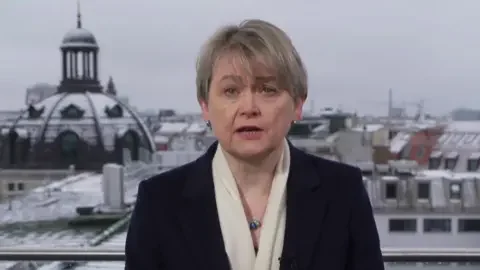
Recent remarks by EU Foreign Policy Chief Kaja Kallas have directly challenged a stark assessment of Europe's future, put forth by the Trump administration. The US strategy document, released in December 2025, posited that Europe faces "civilizational erasure" within two decades, attributing this to issues such as immigration policies, a perceived loss of national identity, and a decline in self-confidence. Kallas, speaking at the Munich Security Conference in February 2026, countered this, stating, "Woke decadent Europe is not facing civilisational erasure." This exchange highlights a significant divergence in perspective between key figures on the geopolitical stage, with broader implications for transatlantic relations and Europe's own strategic outlook.
A Clash of National Security Narratives
The core of the disagreement stems from a 33-page National Security Strategy document published by the Trump administration. This document, widely reported in December 2025, outlined a vision for the United States' role in the world, emphasizing national interests and a less interventionist stance abroad. A significant portion of the report was dedicated to Europe, asserting that the continent's trajectory, influenced by the European Union and other "transnational bodies," coupled with migration policies and censorship, was leading to a fundamental unraveling.
Read More: UK and Allies Say Russia Poisoned Navalny with Frog Toxin
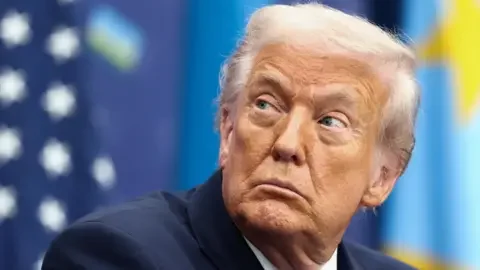
The strategy specifically pointed to Europe's "lack of self-confidence," particularly in its relationship with Russia, suggesting that despite a hard power advantage, European nations viewed Russia as an "existential threat." The document controversially claimed that if current trends continued, Europe would be "unrecognizable in 20 years or less," questioning the future strength of its economies and militaries as reliable allies to the US. The White House strategy also made claims about European populations desiring an end to the conflict in Ukraine, which it alleged their governments were subverting.
Europe's Response and Underlying Concerns
In contrast, Kaja Kallas, speaking at the Munich Security Conference in February 2026, directly refuted the notion of Europe facing civilizational erasure. She emphasized that Russia continues to pose a significant challenge and stressed the need for increased defense production, both within Europe and in the United States. Her remarks align with agreements from a previous Nato summit in The Hague, which focused on enhanced defense spending and boosting production capabilities.
Read More: Iran May Agree to Nuclear Deal If Sanctions Are Lifted

Despite her direct rebuttal of the US assessment, the underlying concerns about Europe's strategic direction remain. Some analysts suggest that while Europe may not agree with the specific accusations, the US points highlight genuine challenges. A sentiment exists that while the US is actively formulating its strategy, Europe is far from unified on its own interests. The US has indicated a reluctance to be the sole global stabilizer, implying a greater need for Europe to define and pursue its own path and secure its own future.
Strategic Divergences and Transatlantic Ties
The Trump administration's National Security Strategy signals a potential shift in US foreign policy, focusing on strengthening the US industrial base and reducing reliance on foreign technologies. This approach mirrors previous actions, such as the imposition of global tariffs. The document's critical stance on European institutions and policies, including migration and free speech, suggests a widening gap in strategic priorities.
Read More: Wolfsburg Wants Young Player Brad-Hamilton Mantsounga from Nice
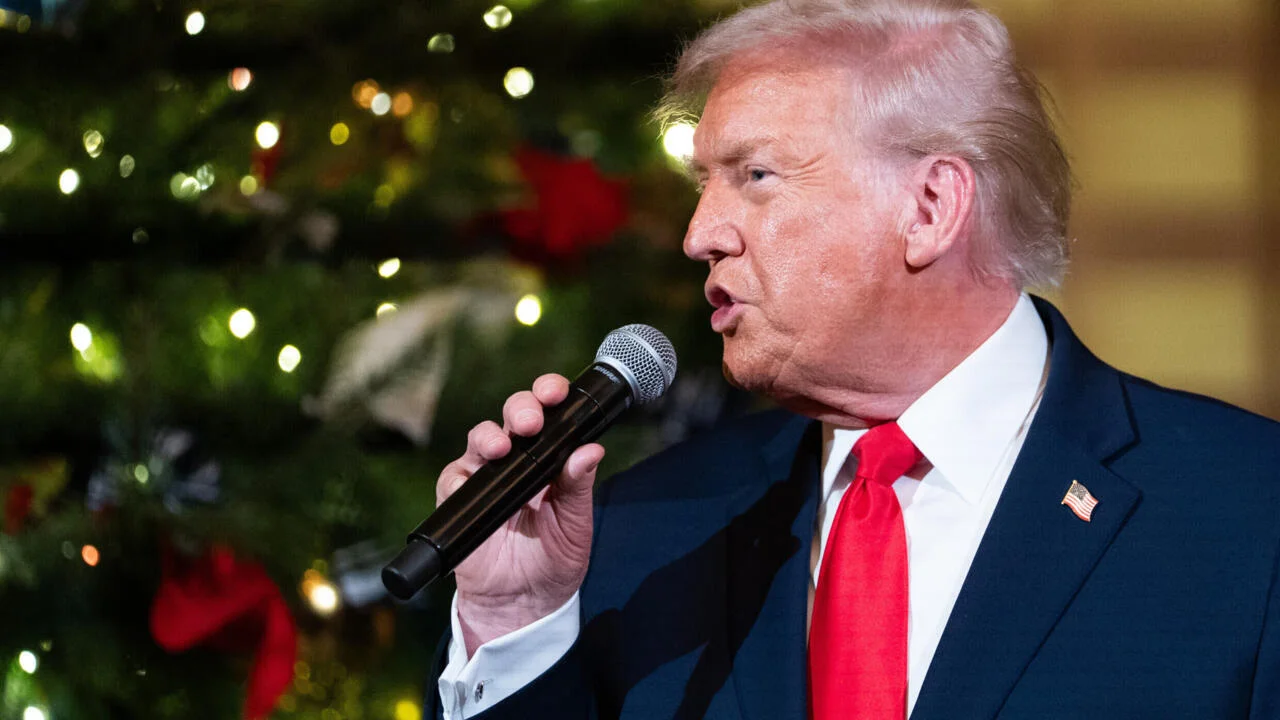
Kallas, while acknowledging the US as Europe's "biggest ally," also sought to temper the impact of the critical US strategy. Her emphasis on the need for increased European production and the fact that many countries still "want to join our club" suggests a desire to project European resilience and appeal. The US strategy, by contrast, appears to prioritize a more transactional relationship, focusing on the primacy of nation-states and demanding greater contributions from allies.
Analysis of Core Assertions
The Trump administration's strategy identified several key factors contributing to its assessment of Europe's precarious state:
European Union and Transnational Bodies: Accused of undermining political liberty and sovereignty.
Migration Policies: Claimed to be transforming the continent and creating strife.
Censorship and Suppression of Opposition: Cited as evidence of eroding freedoms.
Cratering Birthrates and Loss of Identity: Viewed as indicators of cultural decline.
Relationship with Russia: Perceived lack of self-confidence and an overestimation of Russia as an existential threat.
Read More: UK and Allies Say Russia Responsible for Navalny's Death
Conversely, Kallas's recent statements and broader EU discourse highlight:
Continued Russian Threat: A significant and ongoing security challenge.
Need for Production Capacity: Emphasizing increased defense manufacturing in Europe and the US.
Nato Commitments: Recalling agreements on defense spending and production at the Hague summit.
European Resilience: Asserting that Europe is not facing erasure and that its model remains attractive.
Concluding Observations and Future Outlook
The direct public disagreement between EU Foreign Policy Chief Kaja Kallas and the Trump administration's National Security Strategy underscores a critical juncture in transatlantic relations. While the US document presents a deeply critical view of Europe's present and future, attributing its alleged decline to internal policies and a lack of resolve, Kallas has firmly pushed back against these assertions.
The claims of "civilizational erasure" appear to be rooted in a specific ideological framework that prioritizes nation-state sovereignty and expresses concern over demographic shifts and perceived cultural dilution. This perspective stands in contrast to the EU's more integrationist approach and its stated commitment to multilateralism and shared values.
Read More: UK and Allies Say Russia Killed Navalny
Moving forward, the implications of these diverging perspectives are substantial. For Europe, it necessitates a clear articulation and execution of its own strategic vision, independent of external assessments, particularly concerning defense capabilities and geopolitical positioning. For the United States, the strategy signals a potential recalibration of its global commitments, with an increased focus on national interests and a demand for greater burden-sharing from its allies. The ongoing debate will undoubtedly shape the future of security, economic, and political cooperation between the US and Europe.
Sources
The Guardian: Published 9 hours ago (February 15, 2026). Reports on Kallas's statements at the Munich Security Conference. https://www.theguardian.com/world/live/2026/feb/15/munich-security-conference-rubio-kallas-lagarde-europe-latest-news-updates
BBC News: Published December 5, 2025. Details the Trump administration's National Security Strategy and its claims about Europe. https://www.bbc.com/news/articles/c04vdengk3do
Politico EU: Published December 5, 2025. Covers Trump's warnings about Europe's "civilizational erasure" in a new document. https://www.politico.eu/article/donald-trump-warns-europe-faces-civilizational-erasure/
CBS News: Published December 5, 2025. Reports on the Trump administration's National Security Strategy and its assessment of Europe facing "civilizational erasure." https://www.cbsnews.com/news/trump-administration-national-security-strategy-europe-civilizational-erasure/
The Conversation: Published December 10, 2025. An analysis piece suggesting Europe must reject US accusations but needs its own strategy. https://theconversation.com/europe-must-reject-trumps-nonsense-accusations-of-civilizational-erasure-but-it-urgently-needs-a-strategy-of-its-own-271763
France24: Published December 6, 2025. Reports Kallas calling Washington Europe's 'biggest ally' after the US security strategy criticized Europe. https://www.france24.com/en/europe/20251206-kallas-calls-washington-eu-s-biggest-ally-after-us-security-strategy-slams-europe