


New Delhi - Opposition leader Rahul Gandhi has leveled strong accusations against the central government, alleging that an interim trade deal with the United States constitutes a "betrayal" of Indian farmers. Gandhi claims the agreement could undermine the livelihoods of domestic agricultural producers and potentially lead to long-term foreign dependence in India's farming sector.
Concerns Raised Over Agricultural Impact
Rahul Gandhi, a prominent figure in the Indian National Congress and Leader of Opposition in the Lok Sabha, has intensified his scrutiny of the proposed India-US trade agreement. His primary concern centers on the potential adverse effects on Indian farmers, with specific questions raised regarding the import of distillers' dried grains (DDG) and genetically modified (GM) soybean oil.
Gandhi voiced apprehension that allowing imports of such products could lead to Indian dairy production becoming dependent on the US agricultural industry.
He further questioned whether the deal signals future pressure to open up other Indian crops, such as pulses, to US imports.
Concerns were also expressed about the potential for price shocks for domestic producers, particularly those cultivating crops like corn, soybean, cotton, fruits, and nuts.
Read More: President Trump Asked Soldiers to Vote Republican at Fort Bragg
Gandhi's statements suggest a belief that the current trade negotiations may not adequately safeguard the interests of Indian farmers.
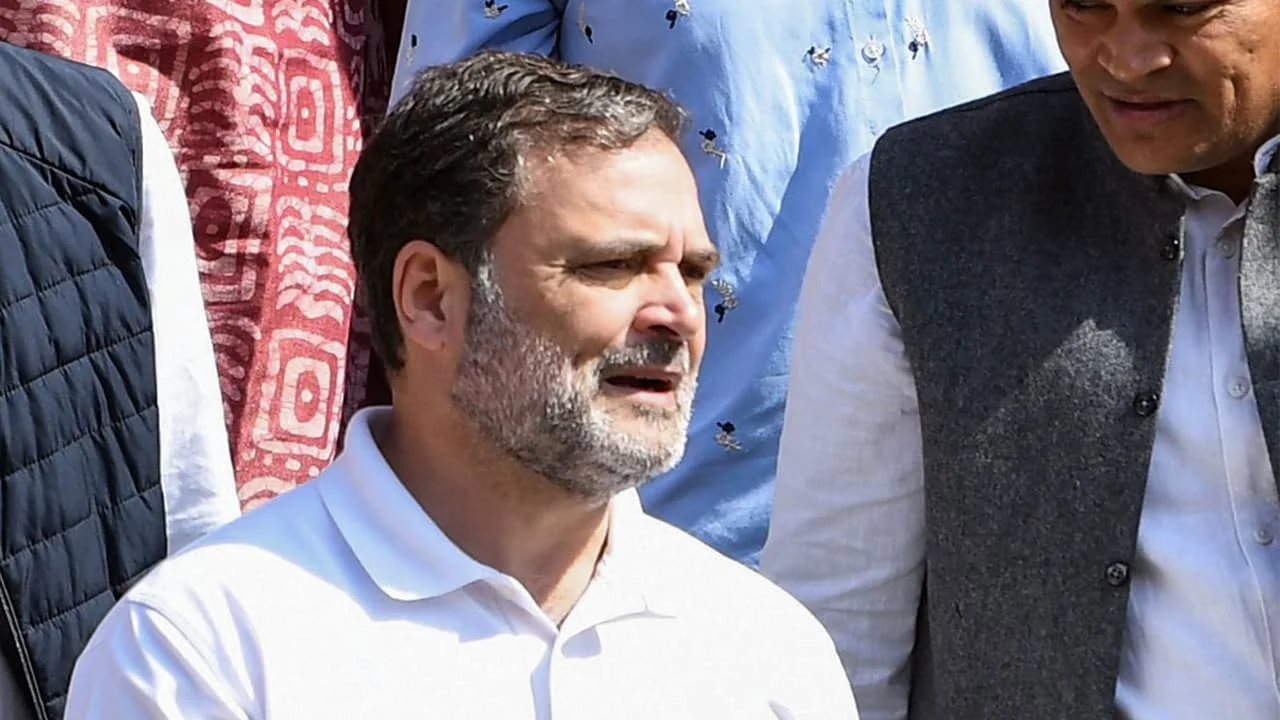
"Won’t this effectively make our milk products dependent on the US agricultural industry?” - Rahul Gandhi
"It’s about the future too — are we allowing another country to gain a long-term hold on India’s agriculture industry?” - Rahul Gandhi
Government's Stance and Counterarguments
The Indian government, represented by Union Minister Piyush Goyal, has defended the trade deal, asserting that it protects the interests of Indian farmers.
The government claims that a significant portion, estimated at 90-95%, of Indian agricultural products are excluded from the agreement.
Piyush Goyal has dismissed Rahul Gandhi's meeting with farmer union leaders as "stage-managed," accusing Gandhi of misleading the farmers.
Despite these assurances, farmer representatives who met with Gandhi expressed strong opposition to the deal, calling for a nationwide movement to protect their incomes and rights.
Read More: Forest Guard Dies After Rhino Attack in Kaziranga Park
"Stage-managed." - Piyush Goyal, commenting on Rahul Gandhi's meeting with farmers.
Farmer Unions Voice Opposition
A meeting between Rahul Gandhi and representatives from 17 major farmer unions reportedly took place at his parliamentary office. During this gathering, farmer leaders conveyed their anxieties regarding the India-US framework trade deal.

The assembled farmers reportedly urged the initiation of a nationwide movement to resist the trade agreement.
Their stated aim is to protect farmers' rights and ensure their incomes remain secure.
Specific crops mentioned as being potentially harmed include corn, soybean, cotton, fruits, and nuts.
Gandhi's Public Statements and Resolve
Rahul Gandhi has used platforms like X (formerly Twitter) to articulate his opposition to the trade deal, framing it as detrimental to India's agricultural sector.
He has stated his commitment to fighting for farmers, regardless of government actions such as FIRs or privilege motions.
His stance is that any trade deal that jeopardizes farmers' livelihoods or compromises national food security is inherently "anti-farmer."
Read More: New Cabinet Secretary Pick Faces Questions
"Will fight for farmers, whether an FIR is registered or a privilege motion is brought. Any trade deal that snatches the livelihood of farmers or weakens the country's food security is anti-farmer. We will not let the anti-farmer Modi government compromise on the interests of the Annadatas." - Rahul Gandhi (translated from Hindi tweet)
Analysis of Allegations and Potential Implications
Gandhi's criticisms revolve around two core issues: the immediate economic impact on farmers and the long-term strategic implications for India's agricultural sovereignty.
Economic Impact: The apprehension regarding GM soybean oil and DDG imports, particularly from the US, suggests a fear of unfair competition. The argument that Indian dairy could become dependent on US agricultural products implies a concern about pricing power and the ability of domestic producers to compete if foreign subsidies or market dominance play a role. The question of "price shocks" points to the volatility that can occur when domestic markets are exposed to international supply and demand fluctuations, potentially impacting farmers' earnings.
Strategic Dependence: The notion of "long-term foreign dependence" speaks to a concern about India's self-sufficiency in agriculture. If key inputs or even markets become heavily influenced by a single foreign entity, it could reduce India's negotiating power and its ability to set its own agricultural policies. The mention of potential pressure on other crops implies a fear of a slippery slope, where concessions made in one area could lead to further demands in others, gradually eroding India's control over its agricultural landscape.
Conclusion
The core of the dispute lies in differing interpretations of the India-US interim trade deal's impact on India's agricultural sector. Rahul Gandhi alleges a deliberate act of betrayal against Indian farmers, highlighting potential economic vulnerabilities and strategic dependencies. The government maintains that farmers' interests are protected and dismisses Gandhi's concerns as politically motivated. The involvement of farmer unions and their call for nationwide action indicate that these concerns resonate beyond political discourse. Further examination of the specific clauses within the trade agreement and their quantifiable impact on various Indian agricultural products will be necessary to provide a clearer picture of the situation. The government's assertion of 90-95% exclusion of Indian farm products requires substantiation with detailed data to address the specific fears raised by opposition leaders and farmer groups.
Read More: Nilgiris Gets 16 New Buses for Cleaner Air
Sources:
National Herald India: Published 10 hours ago. Article focuses on Rahul Gandhi's accusations regarding betrayal of farmers and long-term foreign dependence due to the India-US trade deal, questioning its implications on dairy and agriculture.🔗 https://www.nationalheraldindia.com/national/witnessing-betrayal-of-indian-farmers-in-name-of-us-trade-deal-rahul-targets-centre
UNI India: Published 10 hours ago. Reports on Rahul Gandhi's sharp attack on the Centre over the proposed US trade deal, alleging compromise of farmers' interests and expressing apprehension over GM soybean oil imports and potential future pressures on other crops.🔗 http://www.uniindia.com/news/india/rahul-gandhi-questions-centre-over-proposed-us-trade-deal-alleges-betrayal-of-farmers/3741717.html
NDTV: Published 1 day ago. Covers Rahul Gandhi's meeting with farmer union leaders to discuss the India-US trade deal, farmer calls for a nationwide movement, and the BJP's reaction calling the meeting "stage-managed." It also notes the government's claim of protecting farmers' interests.🔗 https://www.ndtv.com/india-news/rahul-gandhi-meets-farmers-on-india-us-deal-stage-managed-says-bjp-11002175
Deccan Herald: Published 3 days ago. Features Rahul Gandhi's criticism of the Modi government regarding the India-US trade deal, stating his resolve to fight for farmers and labeling any deal that harms their livelihood or food security as anti-farmer. Includes a translated tweet from Gandhi.🔗 https://www.deccanherald.com/india/wont-let-anti-farmer-modi-govt-compromise-on-farmers-interests-rahul-gandhi-3896622
Lokmarg (via AOL): Publication date not specified, but content indicates recent activity. Discusses Rahul Gandhi intensifying his attack on the Centre over the US trade deal, specifically mentioning concerns about cotton farmers, textile exporters, milk production dependency, and GM corn.🔗 https://lokmarg.com/rahul-intensifies-attack-on-centre-over-us-trade-deal/





)
)