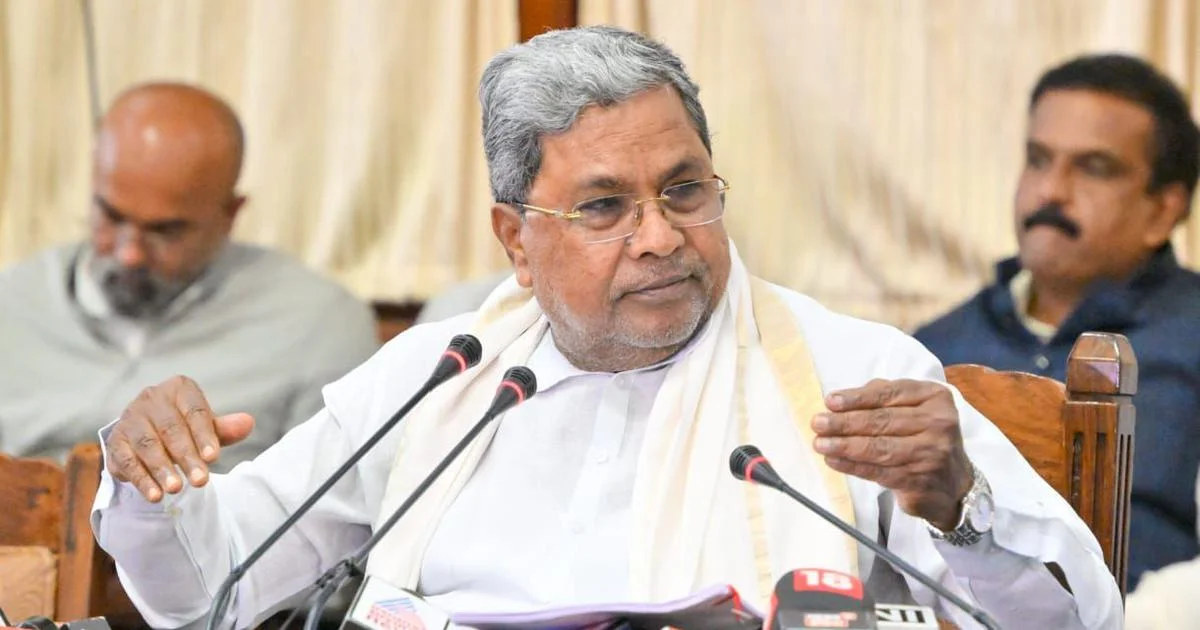
The Karnataka government has announced its decision to challenge the Viksit Bharat - Guarantee for Rojgar and Aveejika Mission (Gramin) Act (VB-G RAM G) in court. The State Cabinet has rejected the new law, citing concerns that it violates constitutional provisions and undermines the federal structure of the nation. This move follows similar rejections by Punjab and Telangana, signaling a growing dissent among states regarding the newly implemented rural employment scheme that replaces the Mahatma Gandhi National Rural Employment Guarantee Act (MGNREGA).
Background of the VB-G RAM G Act
The VB-G RAM G Act, which guarantees 125 days of wage employment annually, was passed by both Houses of Parliament in December 2025 and received presidential assent shortly after. It is intended to replace the existing MGNREGA, which previously guaranteed 100 days of work. Key provisions of the VB-G RAM G Act include:
Read More: UK AI Ambitions Face Energy Worries from Data Centre Power Needs
Scheme Implementation: State governments are required to frame schemes consistent with the Act within six months of its commencement.
Work Allocation: The Central government will determine state-wise normative allocations of work for each financial year based on objective parameters.
Rule Framing: State governments can frame statutory rules, but these must strictly adhere to the Act's provisions regarding eligibility, payment procedures, and account maintenance.
Cost Sharing: The funding ratio between the Centre and States is set at 90:10 for North Eastern and Himalayan States, and 60:40 for other States and Union Territories with legislatures.
Labor Availability: State governments must notify a 60-day period in advance, covering peak agricultural seasons, during which no works under the Act should be undertaken to ensure adequate availability of agricultural labor.
State Government's Objections
The Karnataka government's decision to challenge the VB-G RAM G Act stems from several core objections:
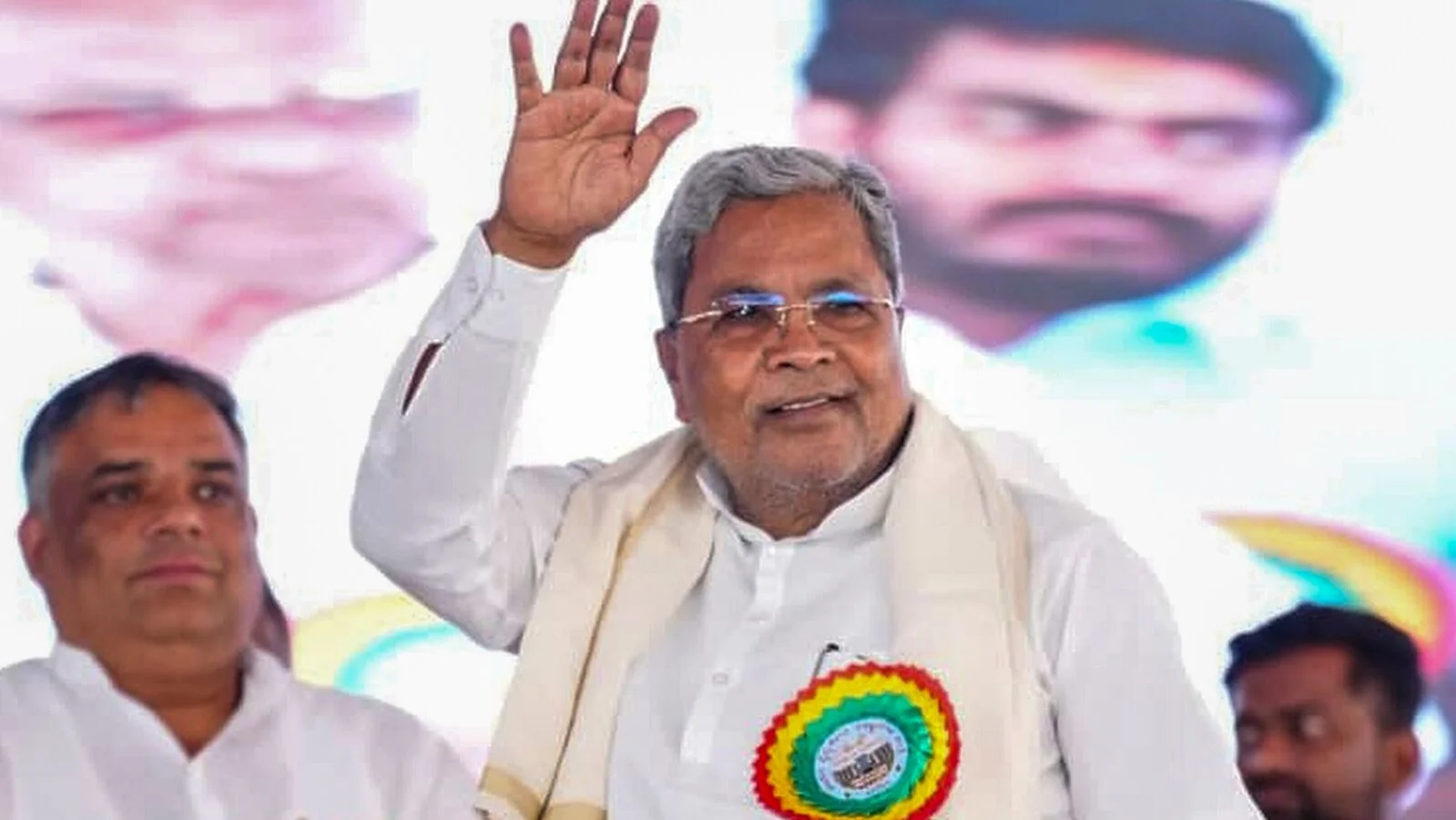
Constitutional Violations and Federalism: The Cabinet has unanimously stated that the Act violates constitutional provisions and undermines the nation’s federal structure.
Weakening of Employment Guarantees: The government argues that repealing MGNREGA, which provided a legal guarantee of employment, weakens the rights of rural workers.
Clarity on Employment Delivery: Concerns have been raised about the lack of clarity on how the new scheme will effectively provide 125 days of work.
Impact on Rural Livelihoods: Officials have expressed that MGNREGA played a crucial role in ending migration and bonded labor in rural areas and empowered workers to demand employment.
Legal and Political Challenge
The Karnataka Cabinet decided to initiate legal action against the VB-G RAM G Act on January 8, 2026. This decision was made after extensive discussions with the Advocate General on the legal and constitutional implications of the Act. The government plans to consult the Advocate General further on whether to approach the High Court or the Supreme Court.

In addition to legal challenges, the Karnataka government intends to engage in political outreach:
Public Awareness: Special gram sabhas will be organized to create awareness about the perceived adverse effects of the VB-G RAM G scheme.
Political Mobilization: Ministers have indicated a willingness to fight the issue in the "people's court" as well.
Broader State Opposition
Karnataka is not the only state to reject the VB-G RAM G Act. Punjab and Telangana have also indicated their intention to challenge or refuse implementation of the new law. This collective opposition suggests a significant dispute between the central government and several state governments over the implementation and implications of the VB-G RAM G Act.
Read More: Karnataka Bypolls: Congress Picks Sons of Late Leaders for Bagalkot and Davanagere South Seats
Key Provisions of the VB-G RAM G Act
| Provision | Description |
|---|---|
| Scheme Framework | State governments must frame schemes within six months. |
| Work Allocation | Centre to determine state-wise work allocations based on objective parameters. |
| Rule Making | State rules must strictly align with the Act. |
| Cost Sharing | 90:10 (Centre:State) for NE/Himalayan states; 60:40 for others. |
| Labor Season Exemption | 60-day advance notification of non-work periods during peak agricultural seasons. |
| Wage Employment Guarantee | 125 days of guaranteed wage employment annually. |
| Payment Frequency | Wages to be paid weekly. |
Expert Analysis
"The central government's move to replace MGNREGA with VB-G RAM G, with altered cost-sharing and work allocation mechanisms, raises pertinent questions about federal fiscal relations and the nature of employment guarantees."
"States challenging the Act often cite concerns about a perceived dilution of their autonomy in implementing social welfare programs and a potential erosion of the rights previously secured under MGNREGA."
Conclusion and Next Steps
The Karnataka government's decision to legally challenge the VB-G RAM G Act highlights a significant conflict between central and state authorities regarding rural employment policy. The core issues revolve around constitutional adherence, the structure of federal-state fiscal partnerships, and the fundamental guarantee of employment for rural populations. The government's stated intent to engage both legal and public avenues suggests a multifaceted strategy to contest the Act. The outcomes of these legal challenges will have substantial implications for the future of rural employment programs in India and the balance of power in fiscal federalism.
Further developments are expected as Karnataka, alongside other states, proceeds with its legal action. The interpretation of the Act by the courts will be crucial in determining its future and its impact on the millions of rural workers it is intended to serve.
Read More: Angela Rayner and Sam Tarry's Paris Trip: Spam Meal Costs 50 Euros, Mascot Lost
Sources Used
The Hindu: Eight provisions of VB-G RAM G Act challenged before Madras High Court
The News Minute: Karnataka to move court against Union government’s VB–G RAM G law
Hindustan Times: State to move court on VB-G RAM G Act
Scroll.in: Karnataka to challenge VB-G RAM G Act in Supreme Court
ETV Bharat: After Punjab, Karnataka Rejects VB-G RAM G Act, Decides To Challenge It In Court
New Indian Express: Karnataka Cabinet to challenge Centre’s VB-G RAM-G employment law in courts
Fortune India: Fortune India Explainer: Parliament passes VB-G Ram G Bill to replace MGNREGA amid overnight protests from Opposition