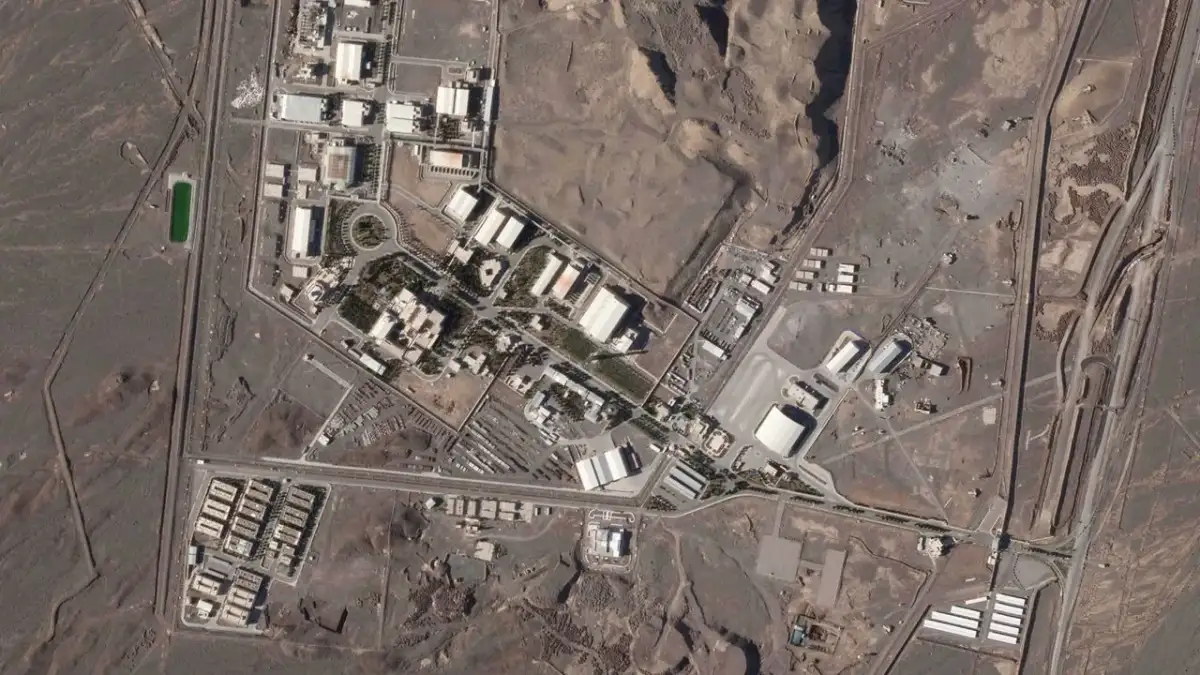
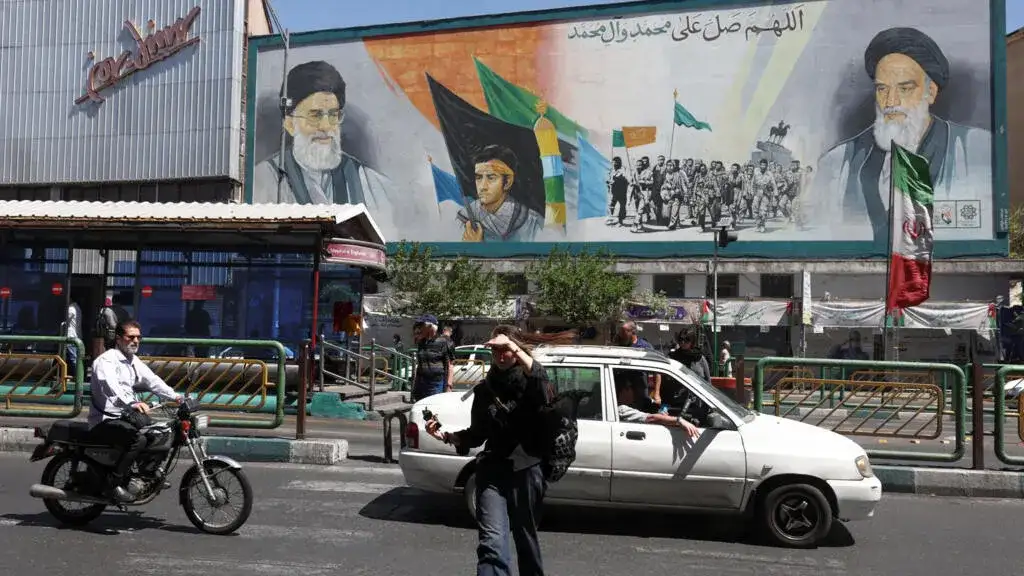
Iran has suspended negotiations with the United States, citing Israeli military actions in Lebanon. This move throws a wrench into the delicate diplomatic process, even as President Trump asserts that talks are, in fact, ongoing. The conflicting narratives highlight the fractured state of affairs and the persistent instability in the region.
The suspension of talks by Iran follows recent Israeli strikes in southern Lebanon, which Tehran has denounced as a violation of a ceasefire. This development casts a shadow over the potential for a lasting peace agreement, with Iran demanding a "ceasefire on all fronts." Meanwhile, reports indicate that Israel is deepening its offensive in southern Lebanon, with threats of bombing Beirut.
Kuwait, a nation hosting US forces, reported that its defense systems intercepted missiles and drones amidst widespread alarms. These incidents underscore the volatile environment, where a fragile truce appears increasingly untenable.
Read More: Iran Zagros Mountain Nuclear Site Construction Update April 2026
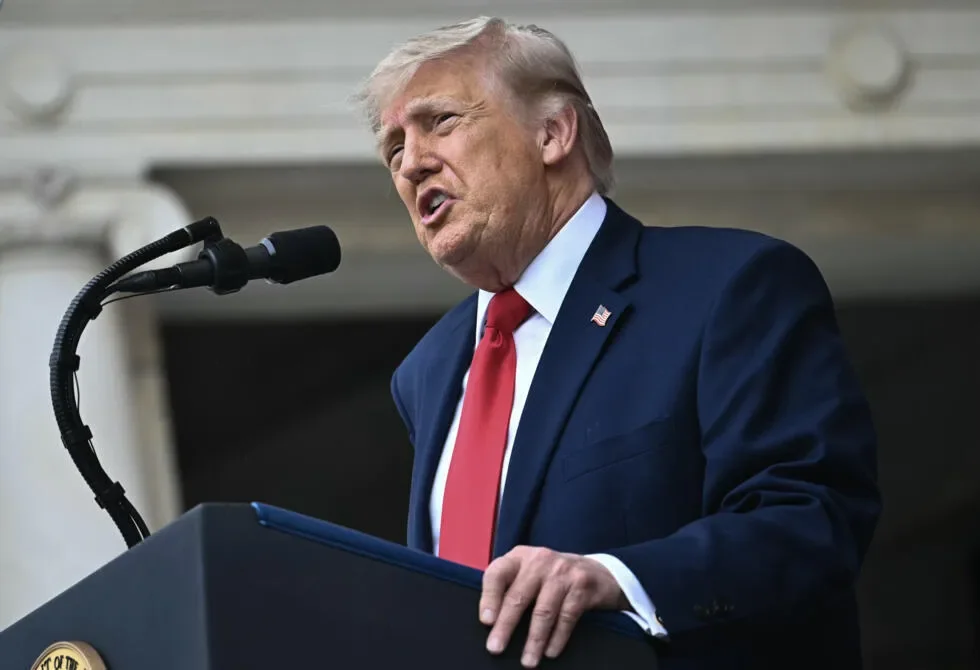
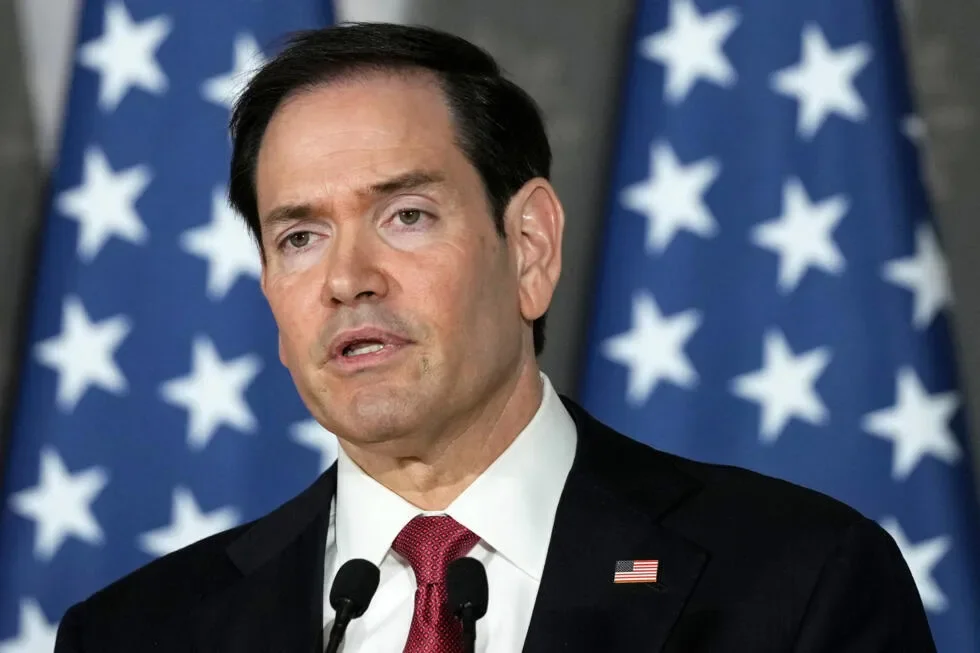
US-Iran relations remain fraught with contradictions. While Iran criticizes American actions, President Trump continues to project optimism about a potential resolution. The US stance, articulated by figures like Senator Rubio, links the lifting of sanctions to Iran's relinquishment of enriched uranium, explicitly rejecting a deal tied to the Strait of Hormuz.
French President Emmanuel Macron has publicly acknowledged President Trump's "determined efforts" to achieve a swift agreement with Tehran. Macron indicated readiness to support these efforts and participate in securing maritime traffic in the Strait of Hormuz once an accord is reached. This suggests an international coalition, including France and the UK, is poised to act upon a peace settlement.
The economic ramifications are palpable, with the continued blockage of the Strait of Hormuz contributing to surging oil prices. Iran is reportedly demanding the unblocking of $24 billion in assets. The conflict, now in its 96th day, has seen periods of relative calm since April 8th, but the underlying tensions and localized strikes persist, demonstrating the complexity of de-escalation.
Read More: Gulf Oil Exports Rise in June but Still Below Pre-War Levels