Rising crude oil prices, directly linked to geopolitical tensions in the Middle East, are manifesting in noticeable increases at the pump across various regions. The impact is already being felt by consumers, with anecdotal evidence pointing to significant jumps in both petrol and diesel costs over recent weeks. These escalations are attributed to disruptions and fears surrounding global oil supply, underscoring the delicate balance between international relations and everyday expenditures.
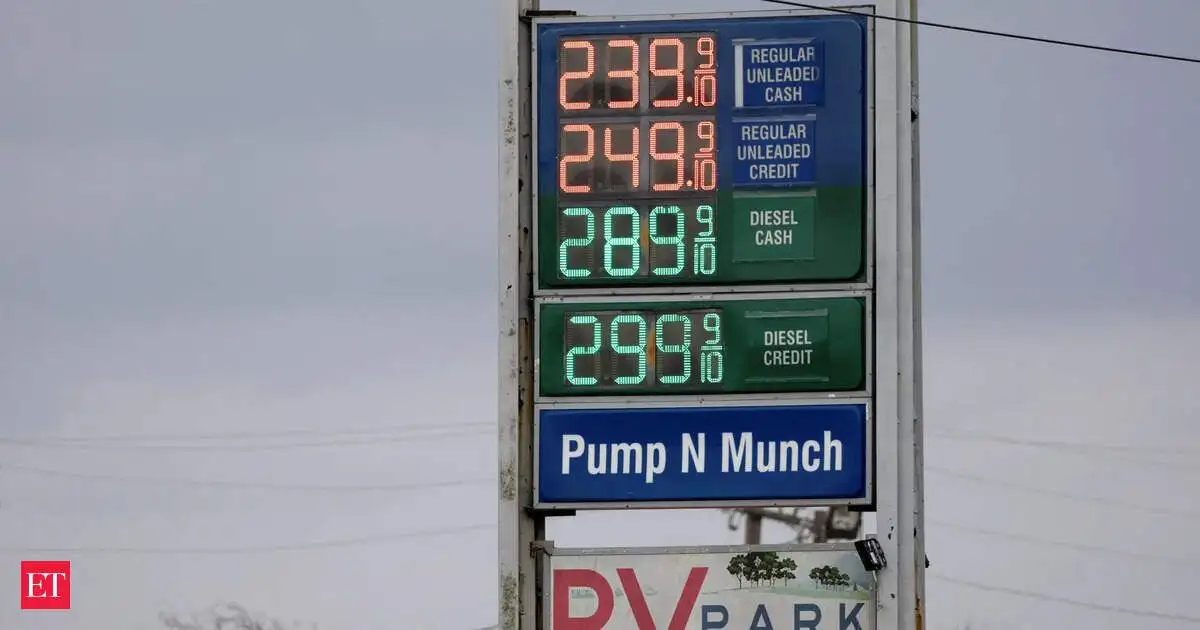
United States consumers are currently observing a 26-cent per gallon increase in petrol prices over the past week, according to GasBuddy. This surge is paralleled by a steeper climb in diesel costs, which have jumped 40 cents in the same timeframe. The upward pressure on prices is described as a consequence of the 'Iran war' constricting global oil markets.

In the United Kingdom, motorists are bracing for higher petrol prices. The escalation in oil prices is a direct fallout from recent US-Israel strikes on Iran, a region considered paramount to global oil production. While currency fluctuations can influence UK prices – a stronger pound generally makes oil cheaper – the immediate concern is the price hike stemming from the Middle East's vital role in the oil trade.
Read More: Goldman Sachs predicts 15 million US jobs lost to AI by 2036
Meanwhile, France experiences daily fluctuations in fuel prices for E10 petrol, B7 diesel, and LPG, with prices potentially changing multiple times within a single day. Data on current average prices per litre across the country is available, illustrating the dynamic nature of the fuel market even without major geopolitical shocks.
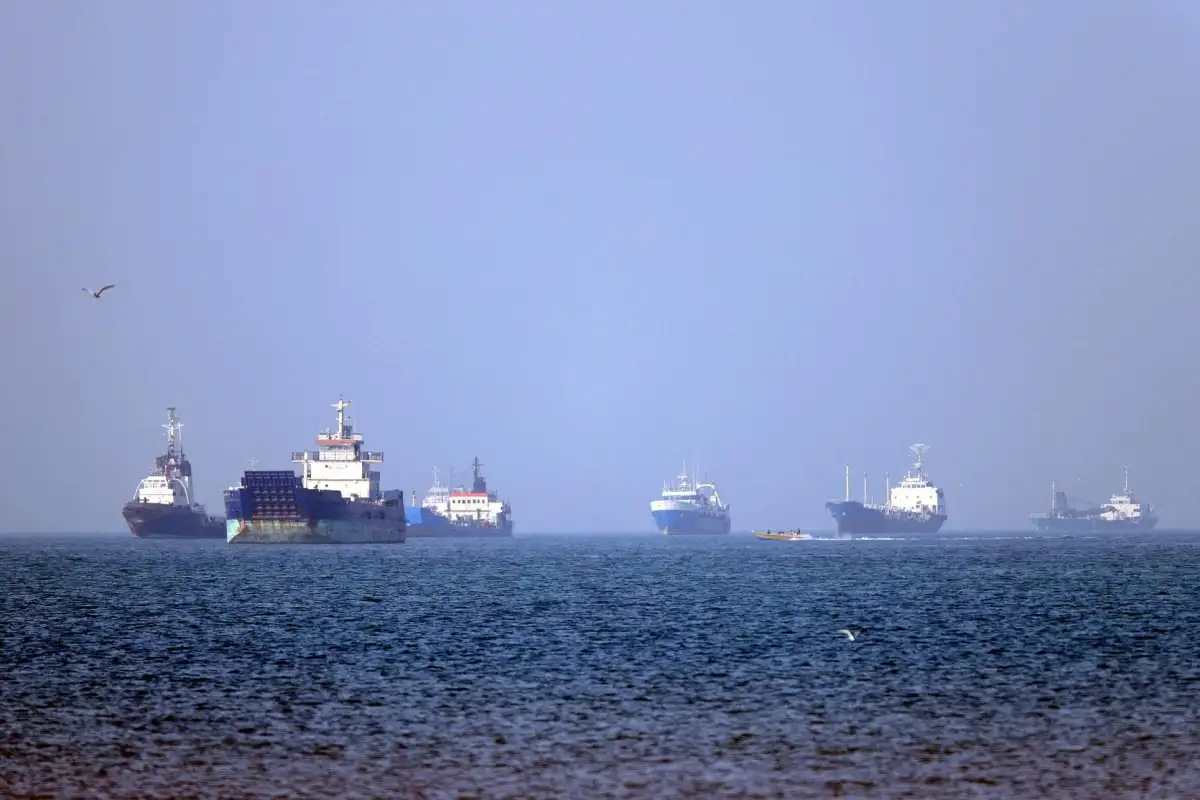
The underlying mechanism for these price shifts lies in the global oil market's sensitivity to events in the Persian Gulf. Benchmark Brent crude oil prices have already hit a seven-month high amid fears of wider conflict. Any significant interruption to tanker traffic in this crucial waterway could further inflate oil prices, with downstream effects potentially impacting even oil exports from countries like Iran, forcing major importers like China to seek alternative, potentially more expensive, sources.
Read More: Nations Championship rugby starts 7 April 2026 with new point system
The interconnectedness of oil prices and other commodities is also a significant concern. Persistent high oil prices are anticipated to have a "knock-on effect" on the cost of other goods, notably food, amplifying the economic strain on households.
The exact speed at which these rising oil prices translate to pump prices for consumers remains a point of observation, varying by region and local market dynamics.