Australian law enforcement is grappling with a colossal, and perhaps unwinnable, war against illicit tobacco. Authorities admit that current strategies, heavily reliant on seizures and interdiction, are failing to stem the tide of contraband, which fuels organised crime and poses significant biosecurity risks. The sheer scale of the problem, with billions of dollars in revenue flowing into the black market, suggests a fundamental flaw in the approach.
The crux of the issue, according to former Border Force officials, lies in the economic equation. High taxes and anti-smoking measures on legal tobacco products create a lucrative vacuum that criminal enterprises eagerly fill. This dynamic makes the trade in illegal tobacco, often sourced from China, remarkably profitable, rendering interdiction efforts a perpetual game of whack-a-mole.
The Scale of the Smugglers' Success
Reports indicate that millions of dollars worth of illegal tobacco and vapes are being intercepted in short periods, such as AU$1 billion in just three months by the Australian Border Force (ABF). Despite these efforts, large quantities of illicit product continue to flood Australian markets in major cities. This suggests that interdiction figures, while impressive on paper, represent only a fraction of what actually enters the country.
Read More: Arthur Freeman Assaulted Yesterday at Western Plains Prison
The origin of much of this illicit trade is traced back to China, despite agreements between the two governments to combat it. The paradox of China agreeing to help stop the trade while simultaneously being implicated as a major source, particularly through state-owned entities linked to popular illegal brands, raises pointed questions about the efficacy of such international pacts.
The Unintended Consequences of Policy
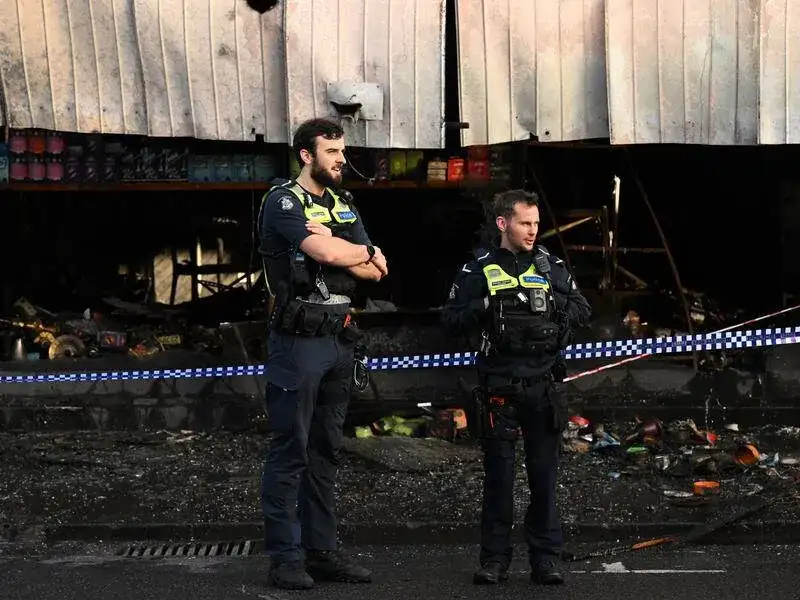
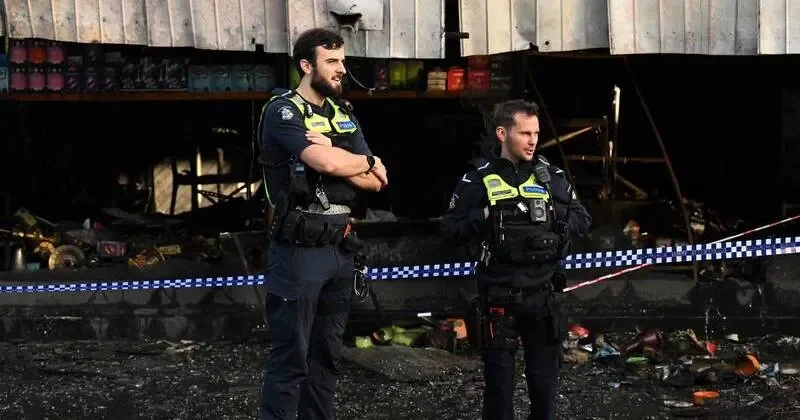
The problem has escalated into violent turf wars between crime syndicates, employing tactics like firebombings to assert control. This underworld conflict has exposed a startling intelligence gap: authorities in some jurisdictions are unaware of the sheer number of shops openly selling illegal tobacco.
Read More: Australia's Energy Debate Needs Overhaul Due to Shifting Voter Loyalties
While federal agencies focus on the source of the goods, state-level efforts, such as Victoria's tobacco licensing scheme, aim to tackle the distribution end. However, these measures are occurring against a backdrop where police often lack the resources and powers to effectively combat the problem. The situation is compounded by the fact that illegal sellers often leave tens of millions in fines unpaid.
A Shadowy Economic Engine
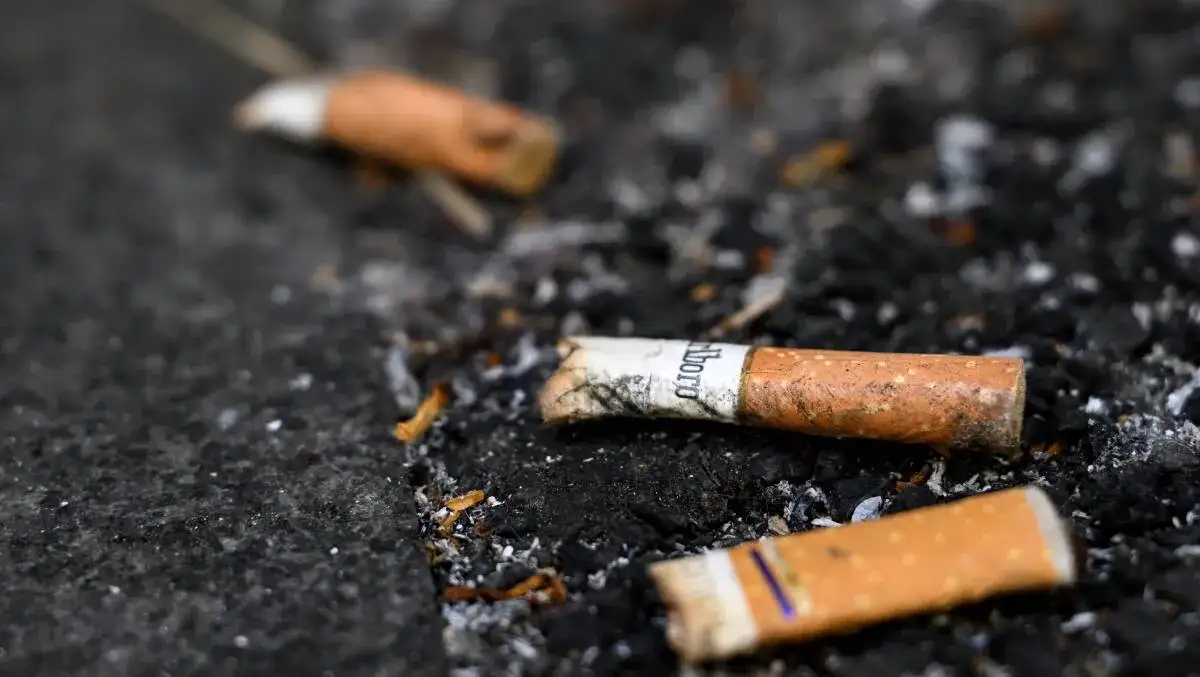
The illicit tobacco trade is not merely a regulatory nuisance; it represents a significant financial boon for organised crime, potentially amounting to billions of dollars. This shadowy economy thrives because the price of legal cigarettes has become prohibitively high due to decades of excise hikes and public health policies.
Beyond Biosecurity: A Growing Threat
The implications of this uncontrolled trade extend beyond economics and crime. Illicit tobacco poses a serious biosecurity risk, potentially introducing pests like the insecticide-resistant tobacco beetle and the khapra beetle, which can hitchhike on shipping containers.
Read More: Sydney Hospital Hammer Attack Leaves Patient Critical After Alleged Theft Motive

The 'Tobacco Endgame' Debate
The persistence of the illicit trade has ignited debate about the underlying policies. While public health advocates push for a "tobacco endgame" through bans and further restrictions, critics argue that throttling legal supply while demand persists inevitably creates a black market. Some states, like NSW, have even called for excise cuts, a move yet to convince the federal government of its potential to curb illegal activity.
The World Health Organization, meanwhile, advocates for international protocols to eliminate illicit trade, citing its role in increasing tobacco use, particularly among youth. However, the Australian context suggests that the "protocol" of high prices is the primary driver for consumers seeking cheaper, illegal alternatives.