Escalating Middle East Tensions Cast Long Shadow Over Natural Gas Prices
A protracted conflict involving Iran carries the potential for a "very painful" shock to natural gas markets, a consequence that could rival the severity of past oil crises. This warning stems from the escalating tensions and military actions in the Middle East, which have cast a pall over critical global energy supply routes. The duration and intensity of these geopolitical events are seen as key determinants in the extent of any potential price surge.
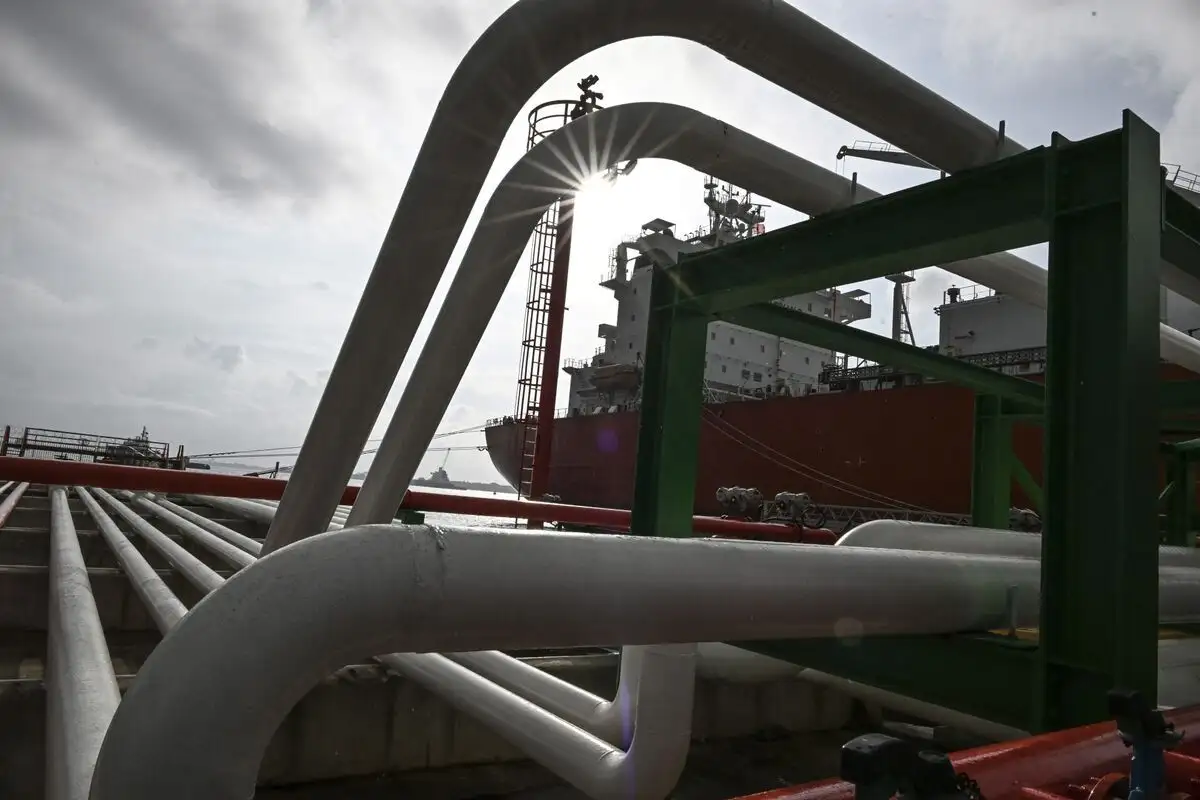
The Strait of Hormuz, a vital chokepoint for a significant portion of global liquefied natural gas (LNG) trade, is central to these concerns. Disruptions or even a reduction in traffic through this waterway could precipitate a sharp ascent in both oil and natural gas prices. Europe and Asia, heavily reliant on imported energy, are identified as particularly vulnerable to such price shocks, unlike the United States which benefits from domestic production. Countries such as Japan, India, South Africa, Turkey, Hungary, and Malaysia are flagged as being especially susceptible due to their high import dependency and limited fiscal maneuvering room.
Read More: Solaris Energy SEI Stock Price Forecast Reaches $91.98 by July 2027

Conflicting Signals on Impact
Despite the broad warnings, there have been indications that the immediate impact of certain Iranian production disruptions on global LNG markets has been negligible. This assessment, offered by Goldman Sachs, points to Iran's relative exclusion from major global trading routes and a decline in its export volumes over time. However, even in this context, the potential for unforeseen events, or "tail risks," remains a persistent concern.
Market Reactions and Speculation
The market's reaction to these developments has been evident in fluctuating prices. Natural gas prices have seen surges amid heightened conflict, with specific price points suggesting that traders are betting on disruptions lasting approximately four weeks. While spare production capacity in regions like Saudi Arabia, the UAE, and Kuwait normally acts as a buffer, the reliance on these supplies flowing through the Strait of Hormuz for global buyers complicates this picture. The ultimate outcome hinges on the swiftness and direction of ongoing geopolitical developments.
Read More: Iran Warns Gulf States After U.S. Naval Clash
Background
Recent military actions, including U.S. bombing campaigns on Iranian nuclear sites, have significantly heightened energy price risks. While strong economic incentives, even for nations like the U.S. and China, exist to prevent sustained and widespread disruption of the Strait of Hormuz, the situation remains fluid. These actions have introduced a geopolitical risk premium into oil prices, with potential scenarios forecasting Brent crude oil prices reaching higher peaks should Iranian supply be curtailed. The death of Supreme Leader Ayatollah Ali Khamenei has also been cited as a significant event jolting global oil markets.