Recent drone assaults have significantly targeted Russia's oil infrastructure, with Ukrainian forces claiming successful strikes on multiple refineries and export terminals. This escalation coincides with broader geopolitical discussions, including requests from allies for Ukraine to temper its attacks on the energy sector due to global energy market concerns.
Ukrainian drones have renewed their focus on Russia's energy infrastructure, sparking fires at key oil facilities. On Monday, a fire was reported at Russia's Sheskharis oil terminal. Simultaneously, reports indicated that the primary oil processing unit, CDU-1, at the Volgograd refinery caught fire.
The Kirishi oil refinery, a significant Russian energy site, may see a partial restart within a month following previous Ukrainian drone attacks that caused fires and halted processing at the end of March. Despite these impacts, U.S. oil major Chevron stated on Tuesday that crude oil exports from the Tengiz field have remained uninterrupted.
Read More: Iran Warns Gulf States After U.S. Naval Clash
Attacks Across Multiple Regions
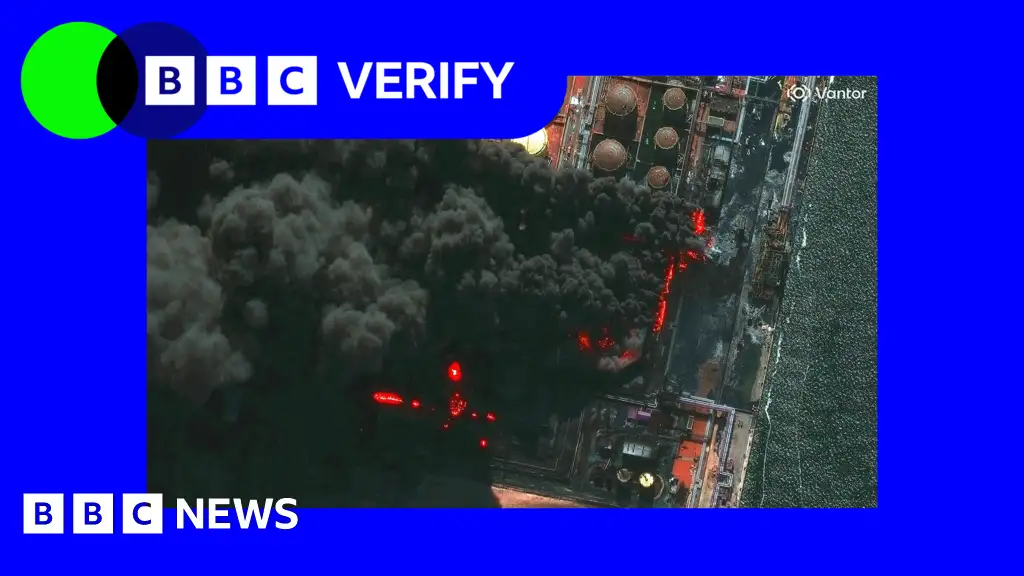
The wave of attacks extends to various regions within Russia. In the Leningrad Oblast, Ukrainian forces have repeatedly struck key export infrastructure near the Baltic Sea. Satellite imagery and verified videos confirm significant damage, with fires observed at the ports of Ust-Luga and Primorsk, as well as at the inland Kirishi oil refinery.
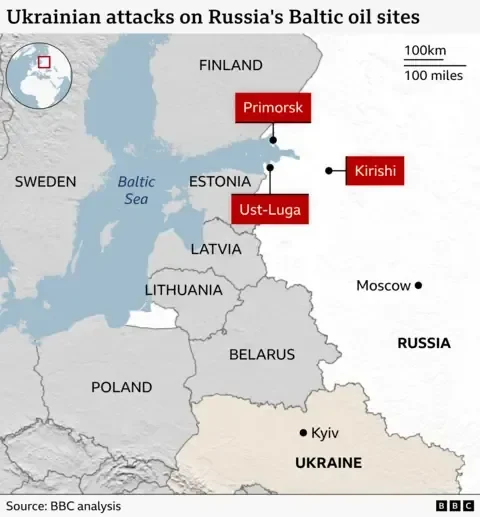
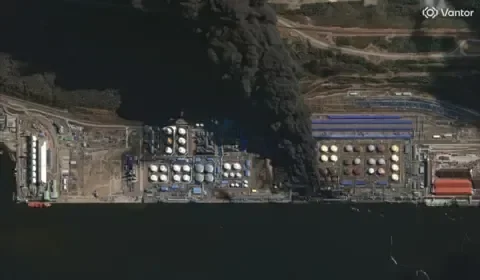
Specific reports indicate that at Primorsk, at least eight storage tanks were destroyed or damaged.
Similarly, Ust-Luga saw at least eight tanks impacted.
The Kirishi refinery sustained damage to at least two storage tanks.
Further inland, on April 5, Ukrainian forces reportedly struck the Lukoil-Nizhegorodnefteorgsintez refinery in Kstovo, Nizhny Novgorod Oblast, approximately 1,000 km from Primorsk, igniting a fire. Geolocated footage and acknowledgments from regional officials confirm damage to oil company facilities.
Broader Impact and Context
These strikes come as Moscow benefits from higher crude oil prices and some sanctions relief, with oil earnings contributing significantly to Russia's state budget. The Ukrainian military has claimed responsibility for at least ten major attacks on Russian energy infrastructure this month, with some strikes reaching deep inside Russia.
Read More: Solaris Energy SEI Stock Price Forecast Reaches $91.98 by July 2027

The attacks are part of an accelerating campaign that began last summer, aiming to disrupt one of Russia's primary revenue sources. The Russian oil export terminal at Ust-Luga on the Baltic coast, a major hub for crude oil and petroleum product exports, was targeted twice in the past week.
While Ukraine escalates its offensive against Russian energy assets, President Volodymyr Zelenskyy has indicated that allies have requested Kyiv to reduce these attacks due to concerns about a global energy crisis.
Separately, Russian attacks on Ukraine have also resulted in casualties. In Odesa, a Russian drone strike on Monday killed two women and a toddler, damaging an apartment block. Russian authorities reported downing 50 Ukrainian drones overnight across 13 regions, with drones also hitting Kharkiv and injuring three people.
Historical Context
The campaign against Russian energy infrastructure has been ongoing since last summer. Recent weeks have seen a notable increase in the frequency and scale of these attacks. Russia, in turn, has also targeted Ukraine's energy sector. In February, a significant missile barrage impacted Ukraine's energy facilities, with President Zelenskyy describing it as the "most powerful blow" of the year.
Read More: Russia Boosts Air Defense Against Ukraine Drone Attacks
The tactical implications of these strikes remain under observation, with reports suggesting Russian air defenses are struggling to counter Ukraine's long-range drone capabilities. The economic ramifications for Russia, a nation heavily reliant on oil revenue, are also a significant factor in the ongoing conflict.