IRAN AND U.S. AGREE TO TWO-WEEK TRUCE AMID INFRASTRUCTURE STRIKES
A two-week ceasefire between the United States and Iran, brokered with assistance from Pakistan, went into effect earlier this week, suspending President Trump's threat of widespread strikes on Iranian infrastructure. The agreement hinges on Iran's commitment to reopen the Strait of Hormuz for safe passage, a condition Iran stated would be met through coordination with its armed forces. This truce comes after a period of escalating hostilities, including Israeli attacks on Iranian railways and bridges, and Iranian responses targeting facilities in the Gulf.
HOROMUZ ACCESS REMAINS CONTINGENT
While the ceasefire was announced, the specifics of passage through the Strait of Hormuz remain a point of contention. Iran indicated that passage would be allowed only after vessels coordinate with its military. The truce, announced by President Trump on Tuesday, narrowly preceded a deadline he had set for Iran to comply with his demands or face significant airstrikes on critical infrastructure, such as power plants and bridges.
Read More: Four Die in Channel Crossing Attempt Near France on Thursday
LEBANON EXCLUDED FROM TRUCE
"Iran had misunderstood about Lebanon's inclusion in the ceasefire." - Vance
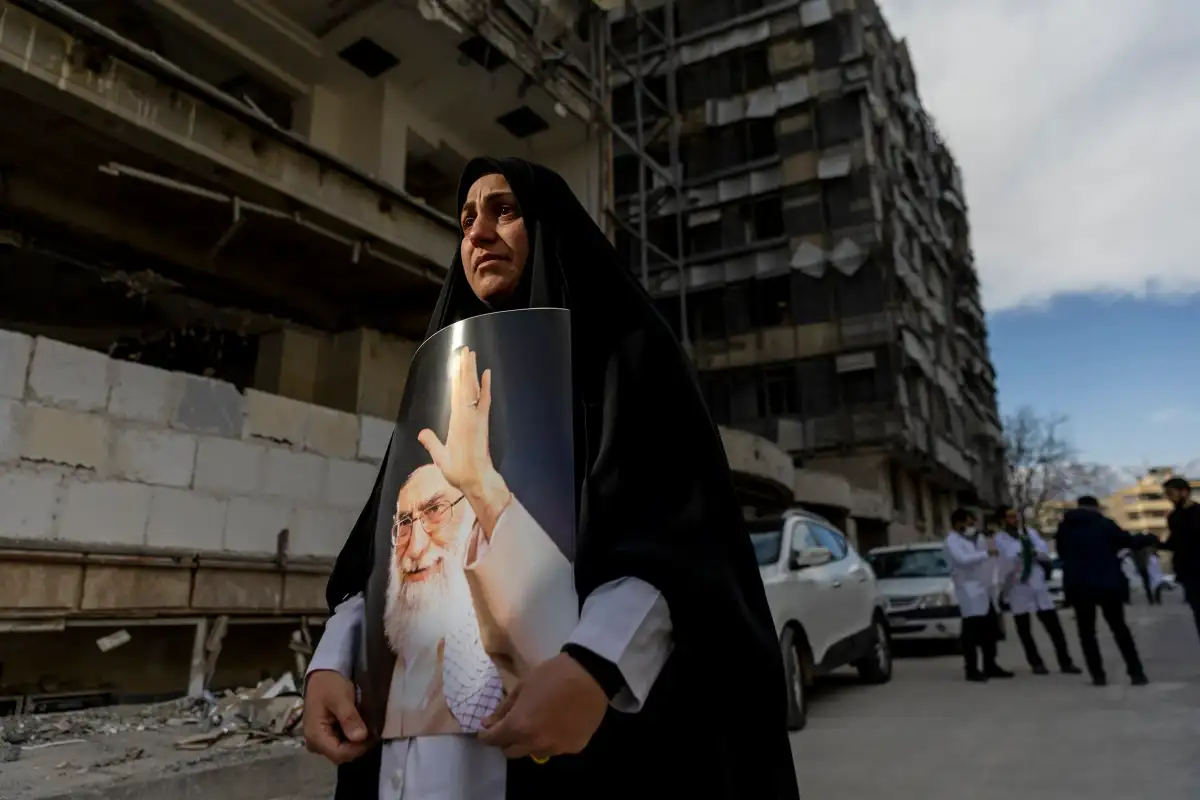
Notably, the ceasefire does not extend to the conflict in Lebanon. Israeli Prime Minister Benjamin Netanyahu explicitly stated his government supports the US-Iran truce but clarified it does not encompass the fighting involving Hezbollah. Israel acknowledged carrying out strikes on Iranian railways and bridges, purportedly used for transporting weapons and personnel. In retaliation, Hezbollah claimed rocket fire towards northern Israel and attacks on Israeli military vessels and forces in southern Lebanon. The Israel Defense Forces reported striking Hezbollah targets in Beirut, including the nephew of Hezbollah's Secretary-General.
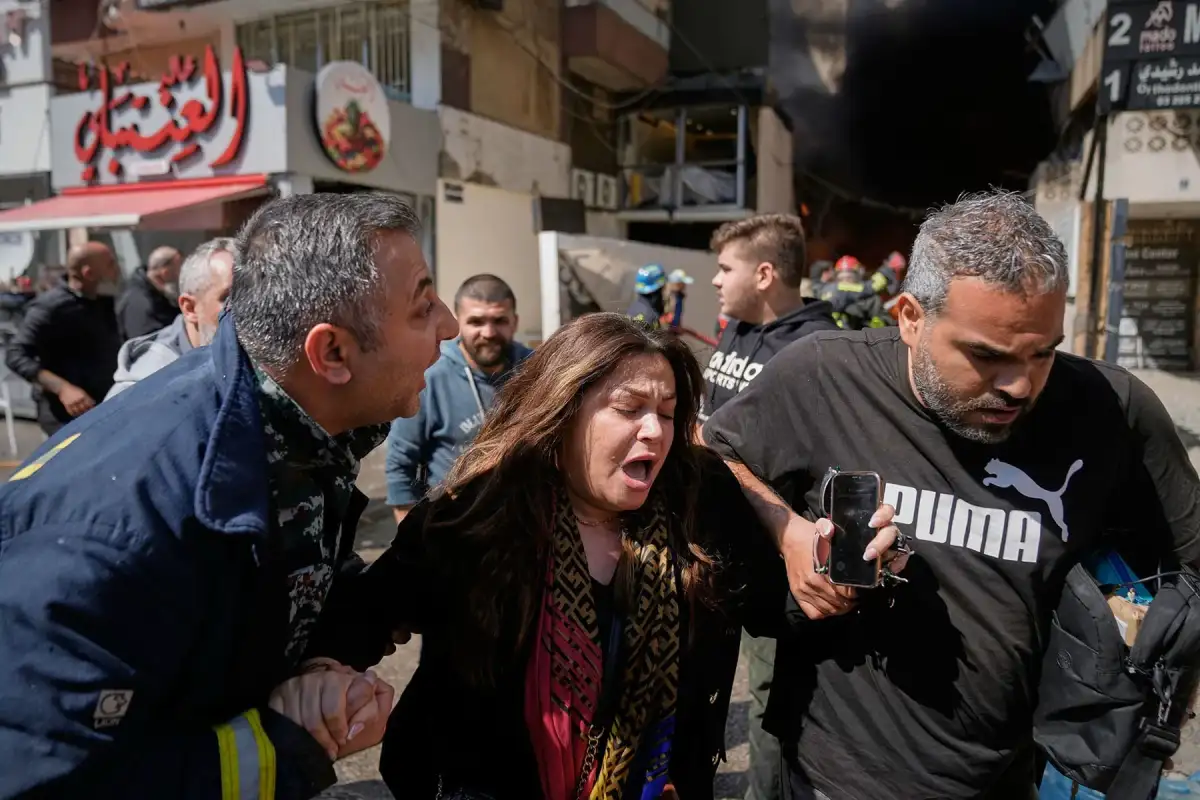
TALKS PLANNED AS STRIKES CONTINUE
Negotiations between Iran and the U.S. are slated to commence this Friday in Pakistan, building upon a 10-point peace proposal put forth by Tehran. President Trump has previously expressed belief that China played a role in facilitating Iran's agreement to negotiate.
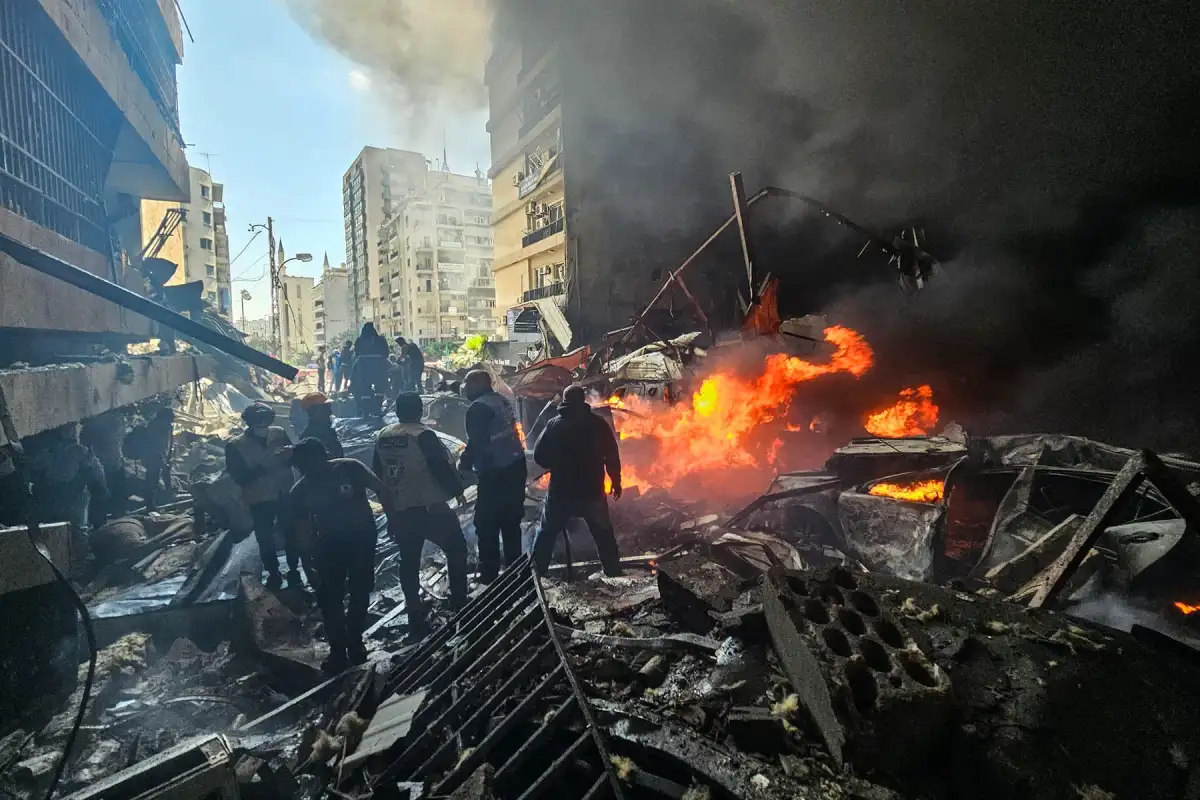
Despite the announced ceasefire, some reports indicate continued attacks in the Gulf region. Iran's state television reported missile and drone attacks on Kuwait and the United Arab Emirates, following earlier airstrikes on Iranian oil facilities. Israeli officials, meanwhile, have cast doubt on the ceasefire's effectiveness, citing "significant gaps" between the two nations.
Read More: UK Leads 40+ Nations to Pressure Iran on Strait of Hormuz Reopening
GLOBAL LEADERS REACT
The ceasefire announcement drew varied reactions globally. Israeli Prime Minister Benjamin Netanyahu publicly supported the deal. World leaders have offered praise for the agreement, though some Israeli figures have voiced skepticism.
BACKGROUND CONTEXT
The escalation preceding the ceasefire involved President Trump's ultimatum for Iran to reopen the Strait of Hormuz or face substantial airstrikes. Oil prices saw a rise, and stock futures dipped in anticipation of the deadline. This period of heightened tension marks a critical juncture in the ongoing Middle East conflict. Iran's Foreign Minister, Seyed Abbas Araghchi, publicly thanked Pakistan's Prime Minister Shehbaz Sharif for his instrumental role in brokering the agreement.
Read More: New York City protests against Iran war on April 8, 2026