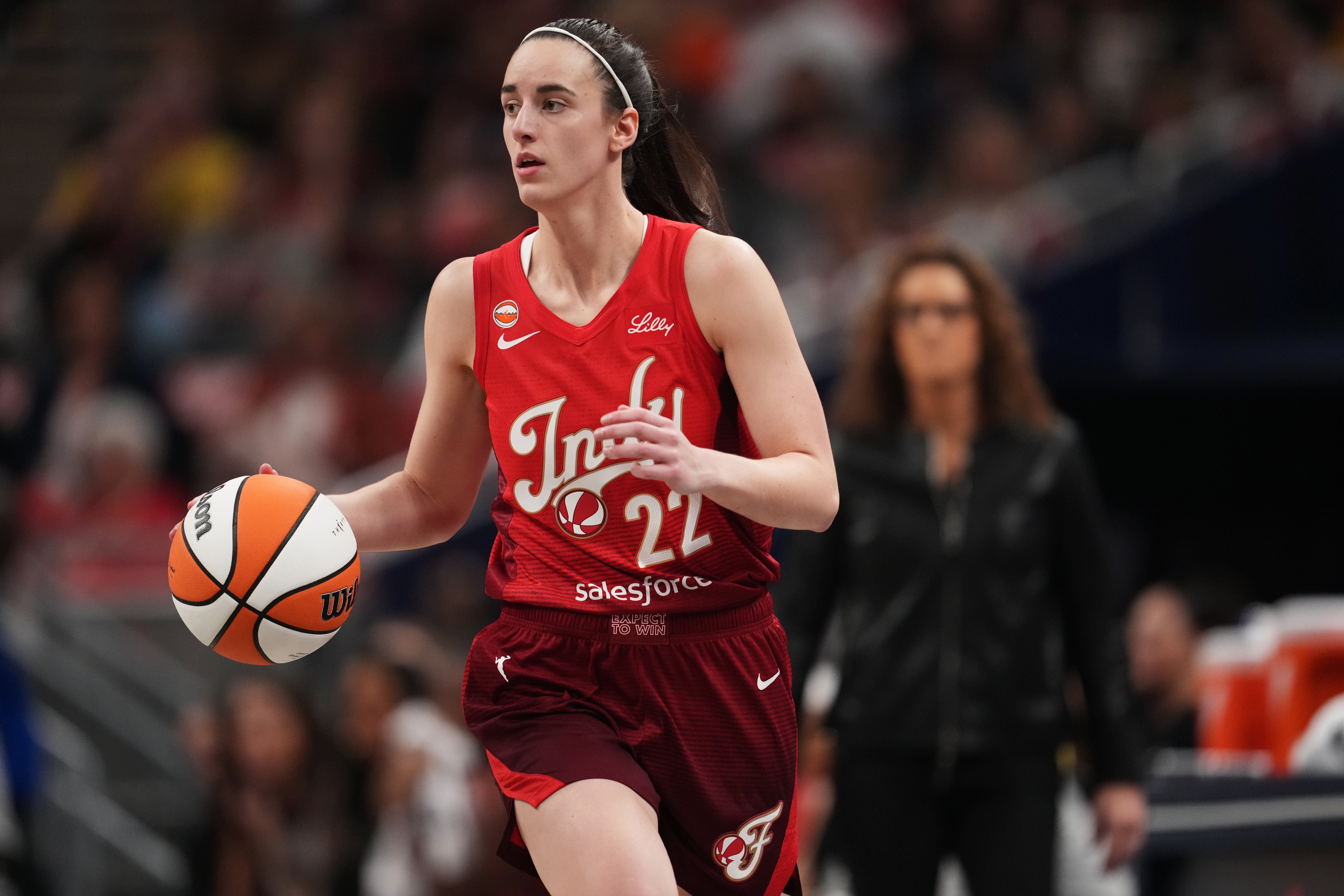
The gulf in earnings between the National Basketball Association (NBA) and the Women's National Basketball Association (WNBA) remains a stark reality. Even with recent strides and new collective bargaining agreements, top NBA players can command salaries hundreds of times greater than their WNBA counterparts. This disparity is deeply rooted in the league's financial structures, with the NBA's media rights deals and overall revenue generation significantly dwarfing those of the WNBA.
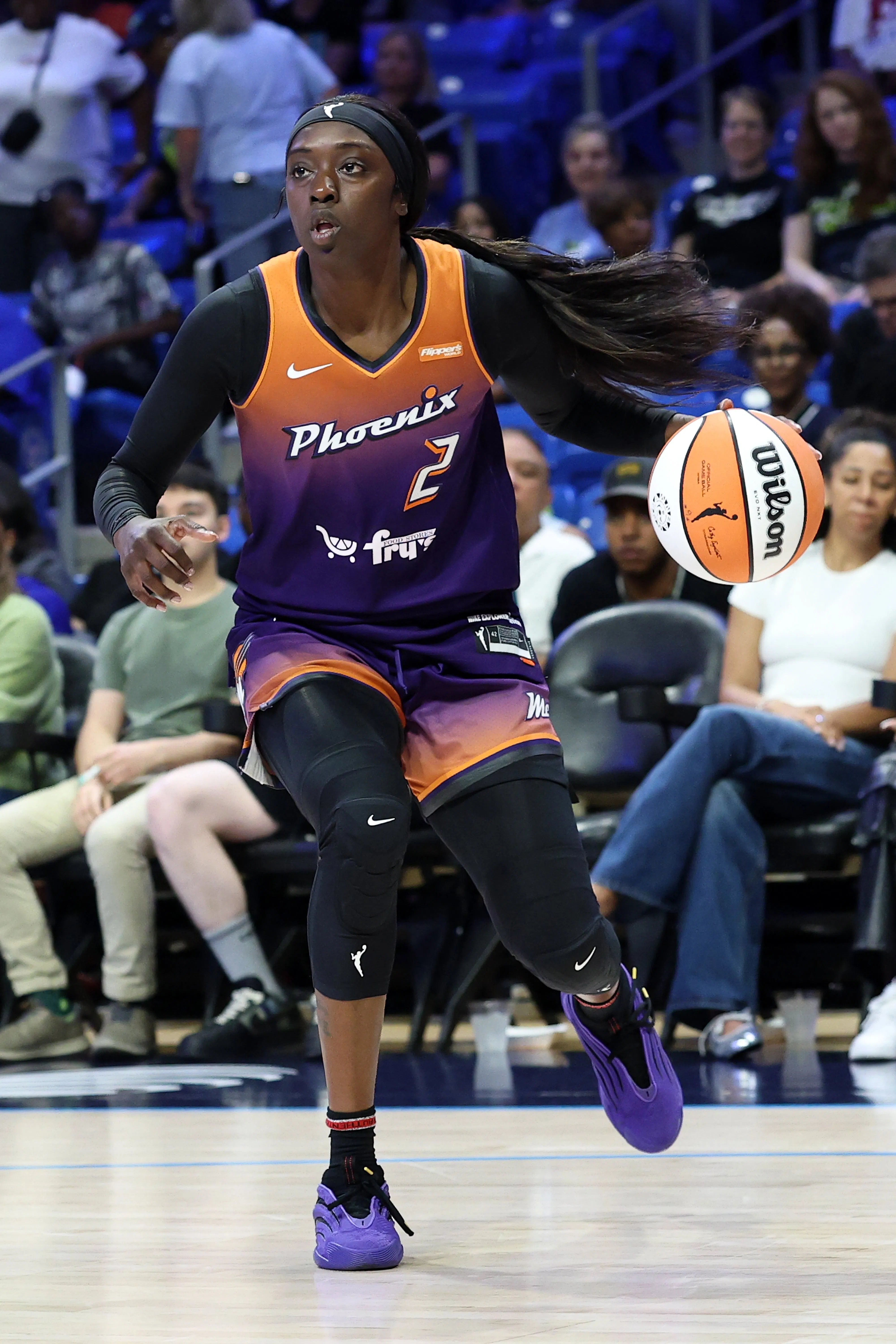
While the WNBA is seeing growth in attendance and viewership, its revenue streams, particularly broadcast deals, are considerably smaller than the NBA's. This fundamental difference directly impacts the salary caps and, consequently, the earnings potential for players in both leagues. Reports from September 2025 indicate that even NBA rookies often earn more annually than many WNBA players do over an entire contract. This financial chasm is a persistent talking point, particularly for WNBA fans, and is attributed to a complex interplay of structural, financial, and cultural inequalities.
Read More: FIFA World Cup 2026 Revenue Reaches $15 Billion With New Ticket Prices
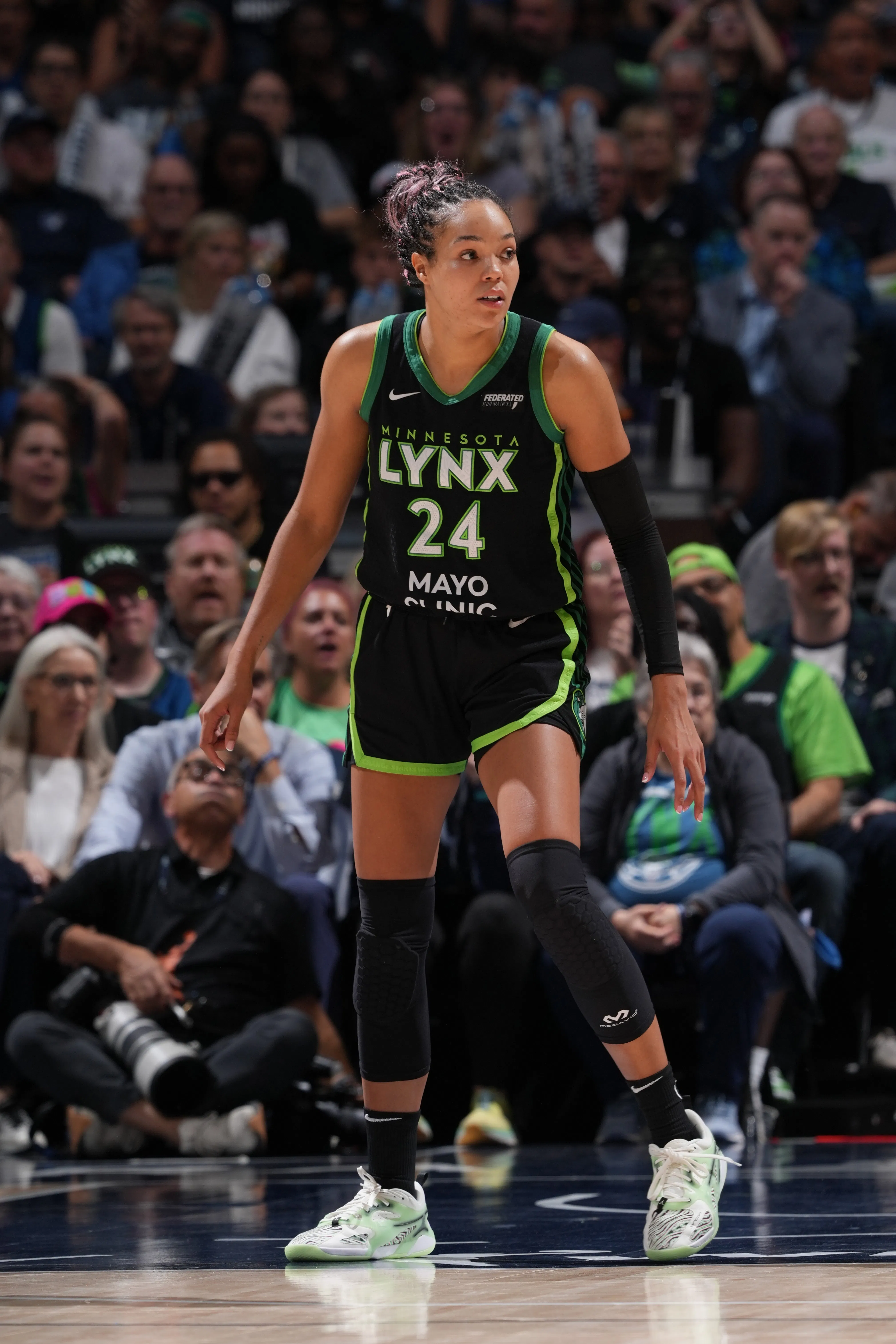
Earnings Comparison: Numbers Tell the Tale
The financial landscape paints a clear picture. While exact figures vary based on specific contracts and seasons, the magnitude of the difference is consistently emphasized. For instance, by 2024/25, average annual salaries in the NBA are vastly higher than in the WNBA. This is further evidenced by the fact that top WNBA players, even those signing multi-year, seven-figure deals like Breanna Stewart, still earn significantly less than what some NBA players make in a single quarter. The difference between the NBA's minimum salary floor and the WNBA's maximum salary ceiling can be as much as a 15x gap.

Underlying Factors: Revenue and Media Deals
At the heart of this financial divide lie the differing revenue capabilities of the two leagues. The WNBA's revenue growth is acknowledged, with attendance and viewership on an upward trajectory as of October 2025. However, this growth hasn't yet closed the gap with the NBA, whose media rights deals are substantially more lucrative. The value of the NBA's broadcast rights deals, estimated to be in the billions, stands in stark contrast to the WNBA's estimated annual media rights value. This difference in financial clout is a primary driver of the salary disparities, affecting everything from player contracts to the league's overall salary cap.
Read More: Why AI Market Growth Is Slowing Down As Of April 2026

A League on the Rise, Yet Still Lagging
Despite the considerable pay gap, the WNBA is undeniably on an upward trajectory. Attendance and viewership have been steadily climbing over recent seasons, and new collective bargaining agreements are expected to lead to significant increases in player salaries. However, these improvements, while important, still result in earnings that are described as "peanuts" in comparison to NBA player salaries. The emergence of alternative leagues, such as a new 3-on-3 league, has also begun to offer lucrative contracts to high-profile WNBA players, further highlighting the evolving economic landscape of women's professional basketball.