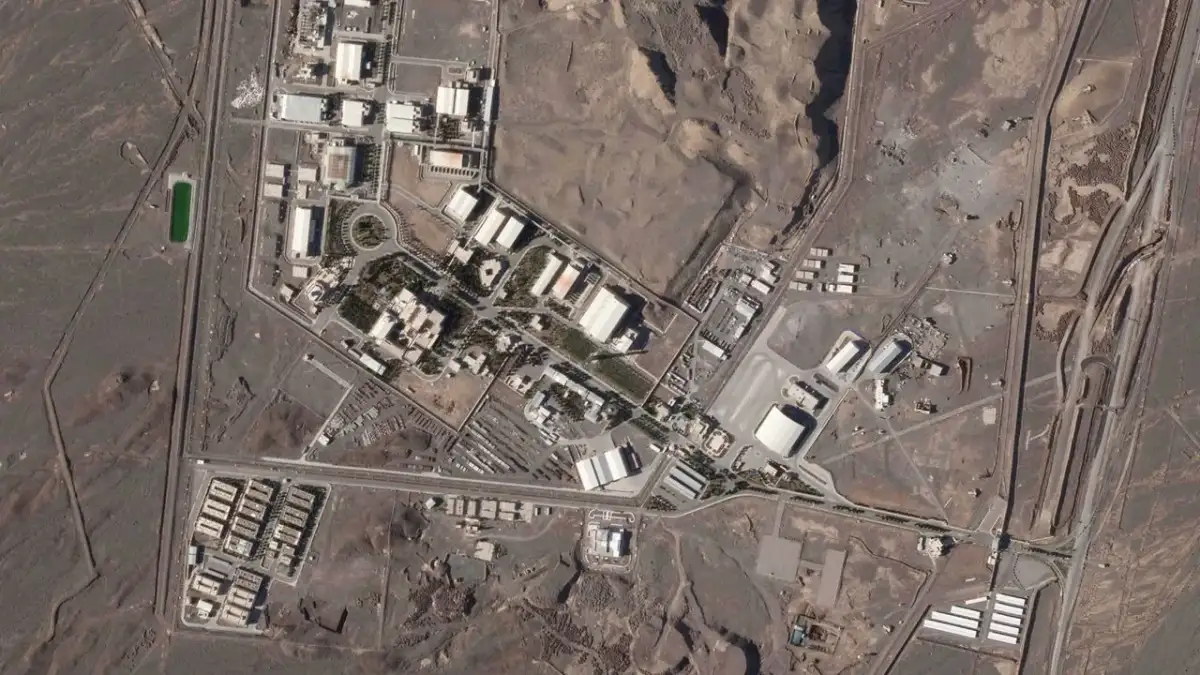
Tehran has formally requested Pakistan to play a mediating role in de-escalating the current regional tensions, according to reports emerging on May 22, 2026. The appeal comes amidst a backdrop of heightened military exchanges and diplomatic friction in the Middle East, indicating a precarious balance that Iran appears keen to shift. The specific request highlights a desire for third-party engagement to cool a situation marked by frequent provocations and counter-provocations.
The plea to Islamabad was made during a visit by the Chief of the Pakistani Army to Iran, aimed at continuing discussions. This engagement suggests a deliberate effort by Iran to leverage its neighbor's diplomatic standing. The move underscores a period of intense diplomatic maneuvering and military posturing between Iran and the United States, with other regional actors also deeply entrenched in the unfolding dynamics.
Read More: Iran Zagros Mountain Nuclear Site Construction Update April 2026
Shifting Alliances and Diplomatic Impasse
Recent weeks have seen a complex interplay of actions and reactions. Reports from May 31, 2026, indicated ongoing discussions and message exchanges between Iran and the US, though a definitive "final agreement" remained elusive, according to Iranian statements. Meanwhile, Donald Trump claimed Iran had committed to not pursuing nuclear weapons, a statement Iran had not directly corroborated in official capacity. The narrative surrounding potential agreements is characterized by mutual claims and denials, painting a picture of a deeply fractured negotiation process.
Further complicating the picture are persistent clashes and escalations. On May 28, 2026, US forces reported firing on a cargo ship attempting to reach Iran, in the vicinity of the Strait of Hormuz. This incident followed Iranian claims of downing a US drone and resuming ballistic missile and drone production, actions that directly challenged any existing ceasefire or de-escalation efforts. The resumption of hostilities, even under the guise of 'defensive' actions, indicates a persistent willingness to employ military force.
Read More: Gulf Oil Exports Rise in June but Still Below Pre-War Levels
Regional Repercussions and International Scrutiny
The broader regional context is one of significant instability. Israel has intensified its offensive against Hezbollah in Lebanon, a move denounced as a "dangerous escalation" by the Lebanese Prime Minister. This widening of conflict zones suggests a potential for wider regional conflagration, drawing in multiple state and non-state actors. The volatility has also directly impacted global markets, with oil prices fluctuating significantly in response to developments in the Middle East.
Beyond military and diplomatic exchanges, cultural and sporting events have also been affected. The Iranian national football team has faced visa issues for the 2026 World Cup in the United States, eventually securing a base camp in Mexico. These logistical hurdles, while seemingly minor in the grand scheme of geopolitical conflict, highlight the practical international consequences of Iran's current standing. The participation of Iranian filmmakers and activists in international forums, such as the Cannes Film Festival, has also drawn attention to the internal and external pressures faced by the country.
Read More: 40 Die in Quetta to Peshawar Bus Crash in Balochistan on April 3 2026
Background to the Tensions
The current friction between Iran and the United States, punctuated by military strikes and diplomatic posturing, has been ongoing. Reports from late May 2026 detailed ongoing discussions, including proposals for reopening the Strait of Hormuz and potential unfreezing of Iranian assets worth billions. The financial and strategic stakes are immense, forming a core element of the negotiation deadlock. The involvement of other global powers, such as China, in discussions surrounding the Iran conflict also points to the wider geopolitical implications of the ongoing crisis. The narrative of "war" versus "peace" remains a constant, with pronouncements from leaders on all sides shaping public perception amidst a backdrop of contested realities.
Read More: US-Iran Talks Stall Over Strait of Hormuz Control on 7 April 2026