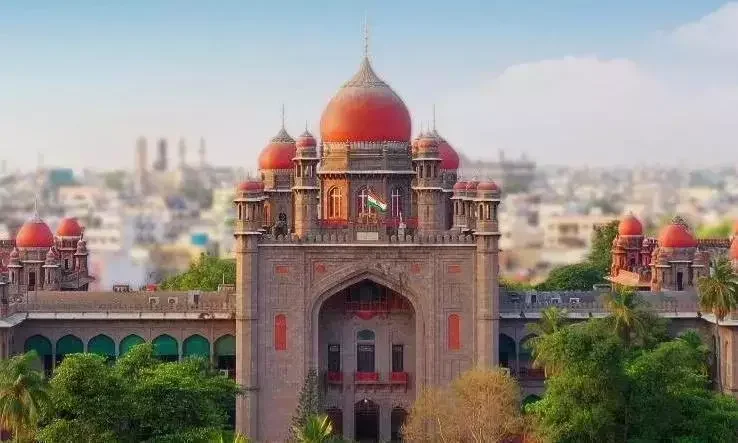
Madhya Pradesh officials have initiated steps toward implementing a Uniform Civil Code (UCC) within the state. This move follows inquiries by government ministers to study existing UCC laws in Uttarakhand and Gujarat. The process may involve convening a special session of the state assembly to pass the proposed bill. The idea is not entirely new for the state; former Chief Minister Shivraj Singh Chouhan had previously formed a committee in 2022 to explore UCC implementation, though it did not advance at that time.
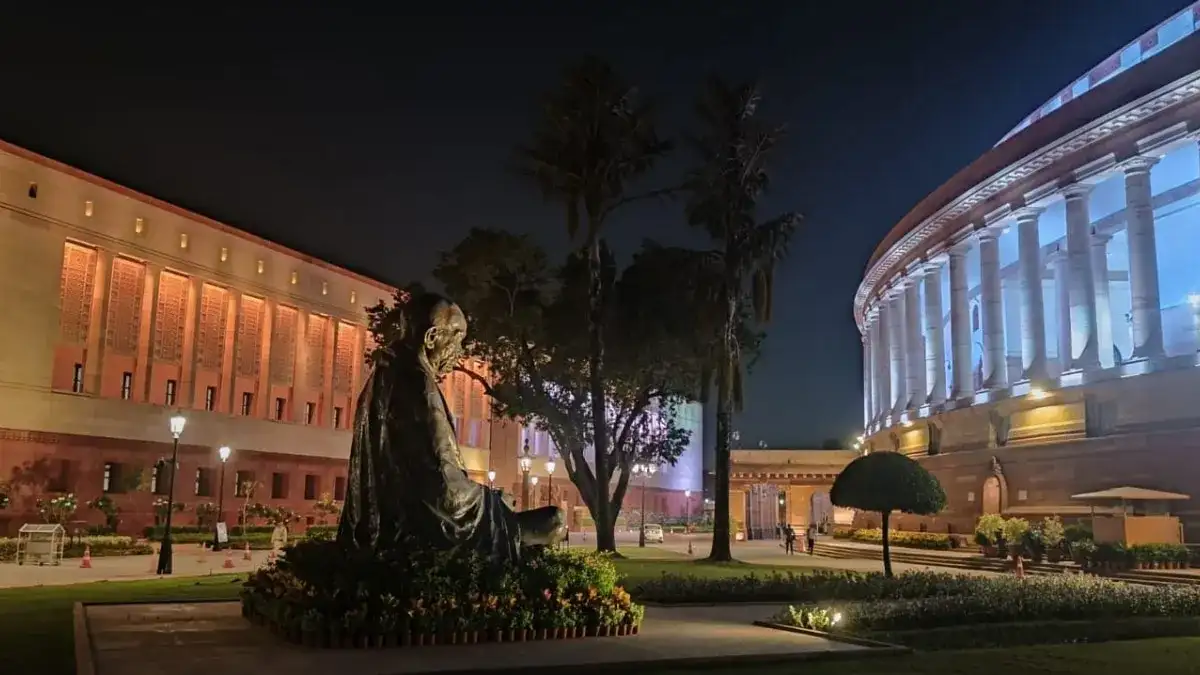
The push for a UCC in Madhya Pradesh surfaces as other BJP-ruled states, notably Uttarakhand and Gujarat, have either passed or are in the process of enacting such legislation, signalling a broader, coordinated effort across these administrations.

The Uttarakhand Assembly notably passed its UCC Bill on February 7, 2024, and received presidential approval on March 13, 2024, making it the first state in independent India to enact a UCC Act. This legislation, which excludes tribal communities from its ambit, addresses personal laws concerning marriage, divorce, and property inheritance, aiming for uniformity across communities. Provisions within the bill include a ban on practices like halala and iddat, and require registration for live-in relationships. The marriageable age for women is set at 18 years, aligning with that for men.
Read More: Child Murder Convictions Overturned in Punjab and Haryana Due to Procedural Errors
Earlier, Uttarakhand's Chief Minister Pushkar Singh Dhami had committed to implementing the UCC, forming a committee to draft the bill shortly after his party's return to power for a second consecutive term. The draft underwent cabinet discussion and was then presented to the assembly, with special sessions being convened for its passage. The bill garnered suggestions from a significant number of citizens and organizations prior to its finalisation.
Read More: Indian Markets Drop 931 Points on April 9, 2026, Due to US-Iran Ceasefire Doubts
Meanwhile, the central government has also been a proponent of a unified national code. In August 2023, reports suggested the Union Government might introduce a 'One Nation, One Election' bill in a special parliamentary session. Prime Minister Narendra Modi has consistently advocated for simultaneous elections, arguing that the current cycle of polls hinders development. The push for UCC has been a long-standing agenda item for the BJP, alongside issues like the abrogation of Article 370 and the construction of the Ram Temple.
The UCC has seen varied political responses. While the AIMPLB (All India Muslim Personal Law Board) has voiced concerns about it being imposed on minorities, some members of the INDIA bloc have expressed support. The inclusion of tribal communities in or out of the UCC's purview has been a point of strategic consideration, as noted by Union Home Minister Amit Shah.
Read More: Pam Bondi Skips April 14 Deposition After DOJ Says Subpoena Is Invalid
The legislative process itself involves referrals to committees, amendments, and floor debates, with special sessions often convened to expedite critical legislation. The timeline for Madhya Pradesh's UCC enactment remains fluid, dependent on further committee studies and potential legislative sessions.