

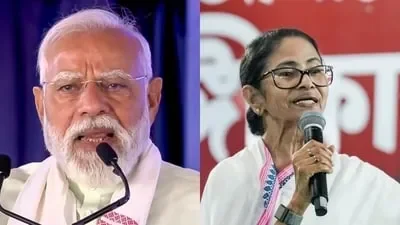
FLASH: Prime Minister Narendra Modi has intensified his political...
Prime Minister Narendra Modi has intensified his political campaign in West Bengal, launching a sharp critique of the incumbent Trinamool Congress (TMC) government. Addressing multiple rallies, Modi has characterized the TMC administration as a ‘nirmam’ (ruthless) and ‘maha jungle raj’, citing alleged corruption, violence, and a failure to implement central welfare schemes. He has promised significant change if the Bharatiya Janata Party (BJP) secures power, offering what he terms "six guarantees" and a roadmap for development, which he links to ending 'infiltration' and fostering a 'developed Bengal'.
FLASH: Campaign Trail Echoes
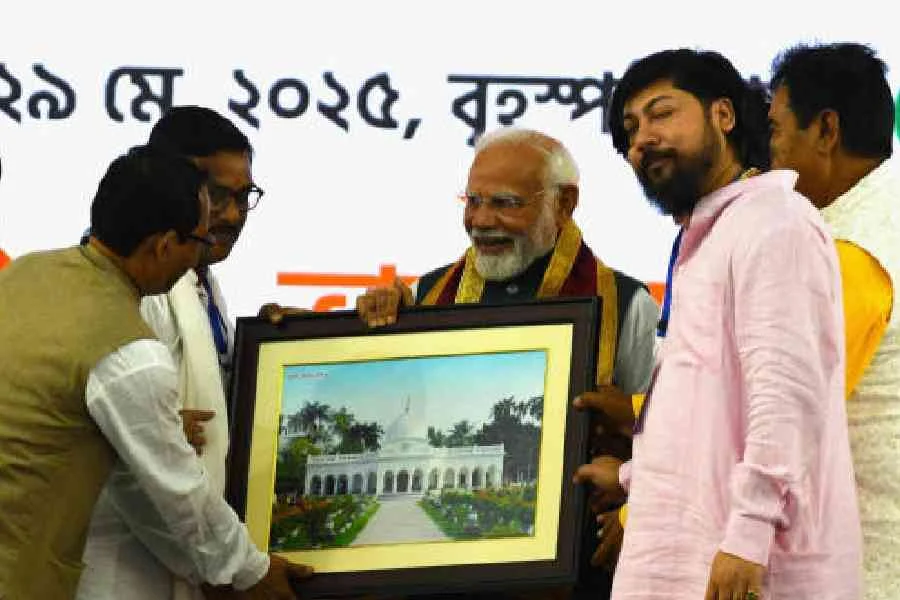
Modi's recent public addresses, particularly in Kolkata, Alipurduar, and Cooch Behar, have been marked by pointed accusations against the TMC. He has repeatedly invoked themes of insecurity, corruption, and stalled development, contrasting the ruling party's alleged misgovernance with the BJP's vision. A key focus of his rhetoric is the perceived failure of the TMC to ensure the safety and well-being of citizens, pointing to incidents like the alleged hostage situation involving judicial officers in Malda and communal violence in Murshidabad as evidence of a breakdown in law and order.
LATEST: The Prime Minister has specifically targeted the TMC's...
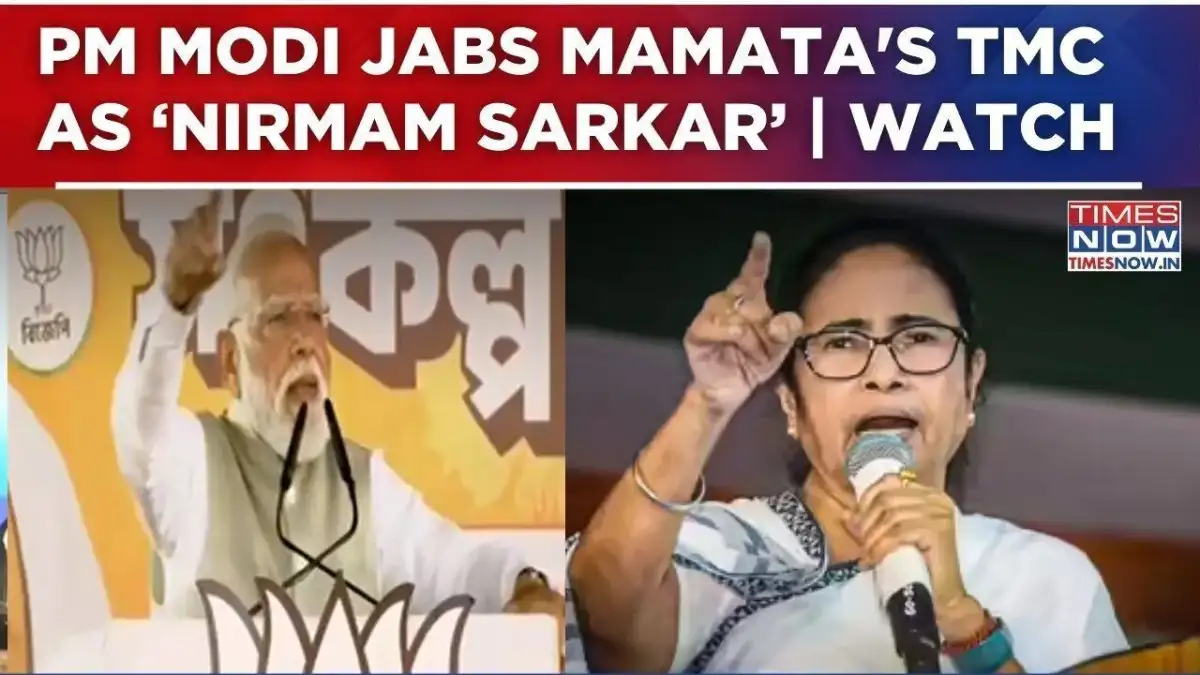
The Prime Minister has specifically targeted the TMC's handling of alleged 'infiltration', framing it as a threat to the state's demographics and security. He has pledged that a BJP government would address this issue, asserting that "your one vote can do this" to drive away infiltrators. Modi has also accused the state government of obstructing centrally sponsored schemes, such as Ayushman Bharat and PM Awas Yojana, thereby depriving the people of Bengal of promised benefits. He presented the BJP’s governance as a counterpoint to the TMC's alleged 'fear' tactics, offering the party's leadership as a source of trust and security.
UPDATE: Mamata Banerjee's Response
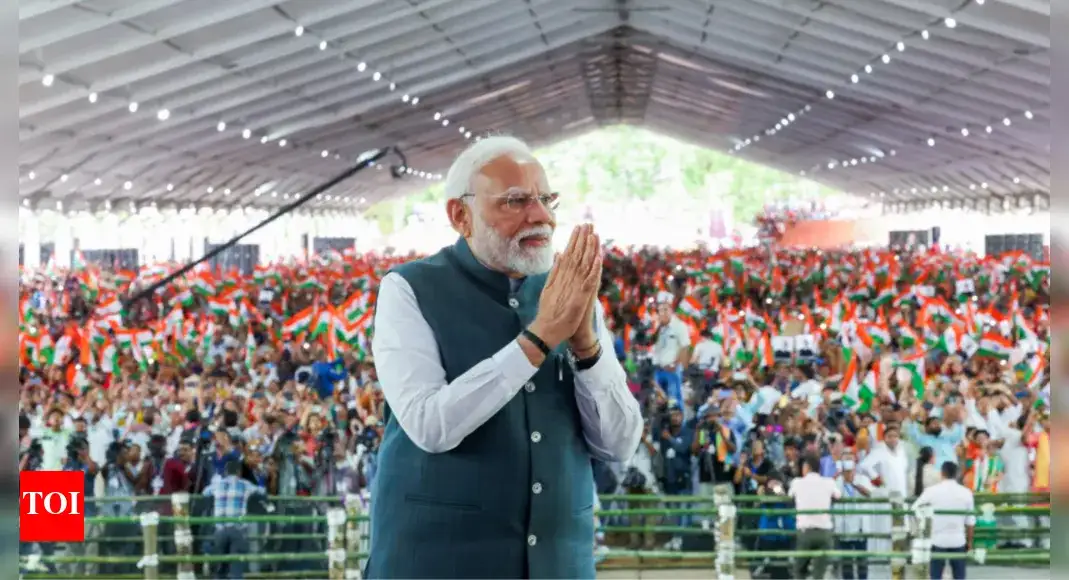
Chief Minister Mamata Banerjee has countered Modi's attacks with calls for voters to respond through the ballot box, particularly in light of alleged irregularities in voter roll deletions. She has characterized these actions as an attempt to suppress votes and has urged affected individuals to seek redressal. Banerjee has also challenged Modi, notably in the context of alleged 'Operation Bengal' remarks, demanding accountability and questioning the timing and tone of his campaign.
FLASH: Electoral Landscape

The upcoming West Bengal Assembly polls are scheduled across two phases, with voting set for April 23 and April 29, and the results to be declared on May 4. This electoral contest sees a direct confrontation between the established TMC leadership and the rising influence of the BJP, fueled by national campaign strategies led by Prime Minister Modi.
LATEST: Background and Context
The political discourse is increasingly centered on allegations of governance failures and promises of transformation. Modi's campaign has sought to galvanize support by painting a picture of a state crippled by 'jungle raj' and corruption, while simultaneously offering the BJP as the sole agent of positive change and development. The TMC, in turn, has rallied its base by highlighting perceived central overreach and alleged attempts to undermine state autonomy and democratic processes.
This intensified political rhetoric from Prime Minister Modi is part of a broader strategy to expand the BJP's footprint in West Bengal. The state has historically been a stronghold for regional parties, with the TMC currently holding power. Previous electoral cycles have seen significant political battles, often characterized by strong regional narratives and accusations of political polarization. The current election cycle appears to be no different, with national figures like Modi playing a prominent role in shaping the campaign's trajectory. The outcomes are expected to have significant implications for both state-level politics and the broader national political landscape.


/filters:format(webp)/pratidin/media/media_files/2026/04/09/international-delegation1-2026-04-09-10-34-05.jpg)