INDUSTRY SHAKE-UP OR MERE REFINEMENT?
Apple's much-anticipated foldable iPhone remains pegged for a September launch, a timeline reiterated by multiple analysts and sources, directly countering reports of significant manufacturing delays. This debut, slated alongside the iPhone 18 Pro and Pro Max, positions the device as a critical move for the tech giant to vie with established players in the expanding foldable market. While engineering hurdles have been acknowledged, they are being framed by some as typical for a new product category, with resolution seen as achievable within the next few weeks.

The core conflict lies between reports of engineering challenges potentially pushing delays into late 2026 or 2027, and assertions from industry watchers and leakers, such as Mark Gurman, that the September timeline is still the operative one.

SUPPLY CHAIN WHISPERS
"Morgan Stanley analyst Erik Woodring said his supply chain checks indicate that the foldable iPhone is still on track for a September launch."
Wall Street firms like Morgan Stanley and Evercore have voiced confidence in the September launch, with analysts citing their own supply chain investigations. These perspectives push back against earlier claims from Nikkei Asia, which had suggested that engineering complexities might force a postponement to December 2026 or even 2027. Apple itself has offered no public comment on the ongoing speculation.
Read More: Chrome mimeHandler API lets extensions handle file types

DEVELOPMENTAL TUSSLES
Sources close to the matter suggest that while the development of the foldable device has proven more intricate than anticipated, this doesn't necessarily equate to a definitive delay. The period between now and early May is being highlighted as a crucial window for resolving outstanding development issues.
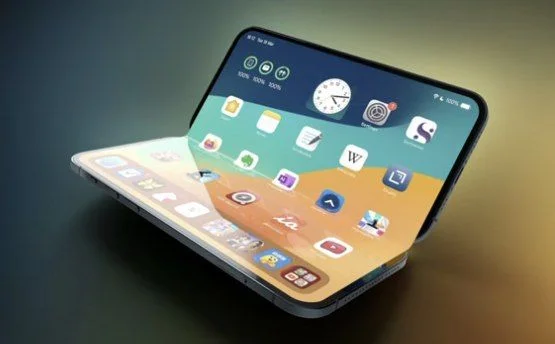
The device's complexity is acknowledged.
Initial supply is anticipated to be limited.
The crease visibility and overall durability are reported as areas of focus for Apple.
MARKET COMPETITION
The introduction of a foldable iPhone is seen as a significant strategic expansion for Apple. It aims to challenge the existing market share held by companies such as Samsung, which has offered foldable devices for some time. Analysts posit that Apple's entry could further accelerate the growth of the foldable segment. Reports indicate that display panels are slated for mass production in May, with full assembly expected to commence by July, suggesting a robust production ramp-up aligned with a fall release.
Read More: New iOS Game 'Consume Me' Blends Puzzles and Music
STOCK MARKET VOLATILITY
News of potential delays previously sent Apple's shares tumbling, with a more than 5% drop reported. However, subsequent reports reaffirming the September launch window have seen these losses pared back. This sensitivity underscores the market's anticipation and reliance on Apple's hardware execution and supply chain readiness.
NAMING AND SPECULATION
The final name for the foldable device remains a subject of speculation, with 'iPhone Ultra' being among the rumored designations. Regardless of the moniker, the device is expected to be a premium offering, potentially priced over $2,000, and is seen as a key component in Apple's strategy to refresh its iPhone lineup. Reports also suggest potential advantages over current foldables, with a focus on screen quality, durability, and a less visible crease.
Background:
For years, the tech industry has buzzed with rumors surrounding Apple's entry into the foldable smartphone market. While competitors have launched multiple generations of foldable devices, Apple has maintained a cautious approach, seemingly prioritizing refinement and user experience over rapid market entry. This latest flurry of reports highlights the perennial tension between reported engineering challenges and the company's historical ability to execute complex product launches, often defying early skepticism. The success of this new product category for Apple could hinge not just on its technical execution, but also on its ability to integrate seamlessly with existing Apple Intelligence features, leveraging larger foldable screens for more sophisticated on-device processing and multitasking.
Read More: BEREC Asks for Mobile Network API Ideas from Developers