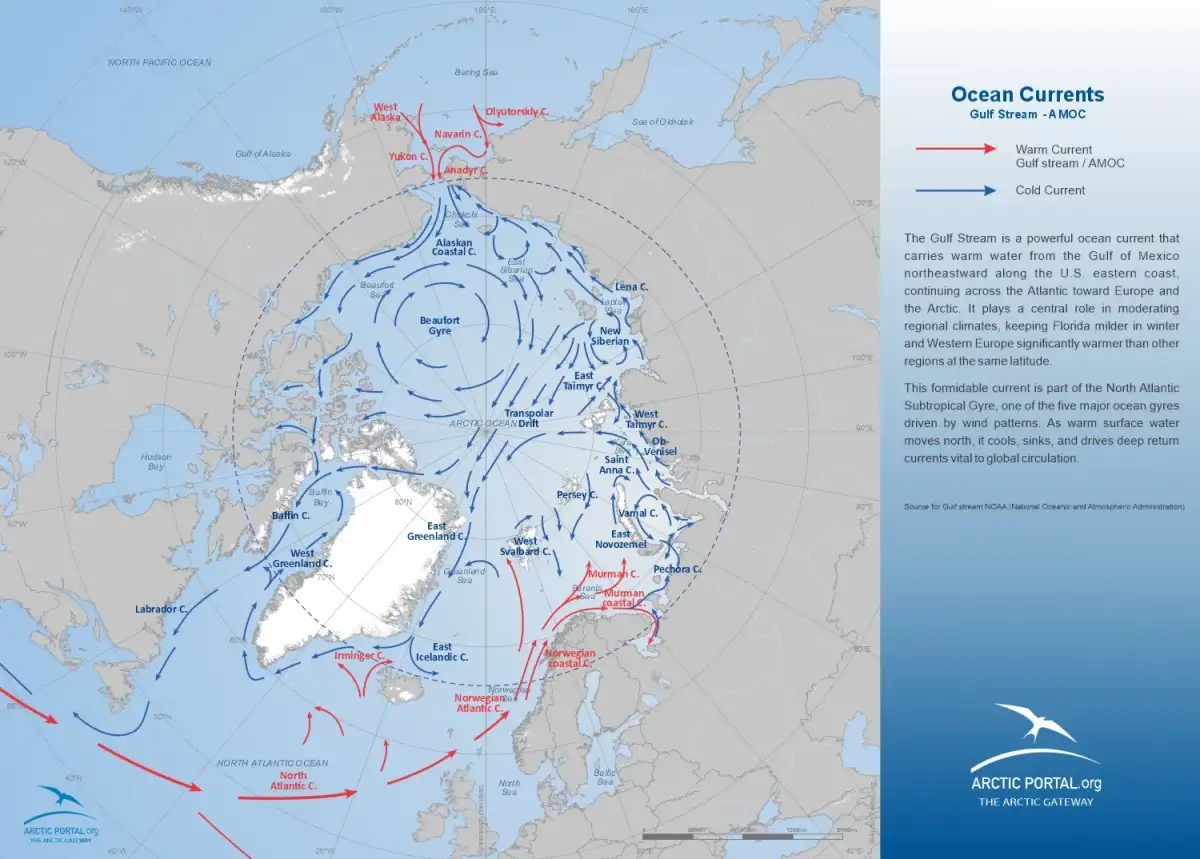
A substantial release of carbon, potentially accelerating global temperatures by 0.2°C, looms as a significant consequence of a potential collapse in the Atlantic Meridional Overturning Circulation (AMOC), popularly linked to the Gulf Stream. This complex system of ocean currents, a vital "conveyor belt" moving heat from tropical regions towards the North Atlantic, is facing increased likelihood of reaching an irreversible tipping point.
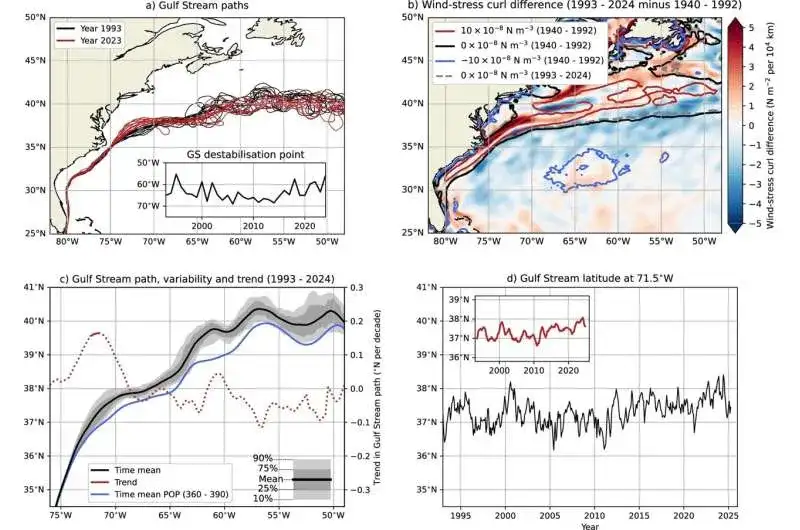
New research indicates that the weakening of the AMOC, a system crucial for regulating Northern Hemisphere climate, is no longer a distant theoretical possibility. Scientists now signal that its potential shutdown could fundamentally reorganize global heat distribution. The very mechanism that moderates weather by transporting warm, salty water northward is showing signs of instability.
Cascading Effects of a Weakening AMOC
The AMOC's function as a planetary heat pump means its diminishment directly impacts regional weather patterns and climate stability. A weakened AMOC would translate to a reduced ability of the ocean to transfer heat to the North Atlantic.
Read More: 2030 Deadline: Conservation Works But Needs More Action Now

Regional Cooling: The most immediate impact of a full collapse would be a dramatic cooling across Western Europe and the broader North Atlantic region.
Sea Level Rise: A slowdown in the AMOC could lead to a measurable rise in sea levels, particularly along the U.S. East Coast, due to altered ocean mass distribution.
Extreme Weather: Harsher and more extreme winter conditions are anticipated, especially in northern latitudes, potentially overwhelming existing infrastructure with heavy snowfall.
The Science Behind the Alarm
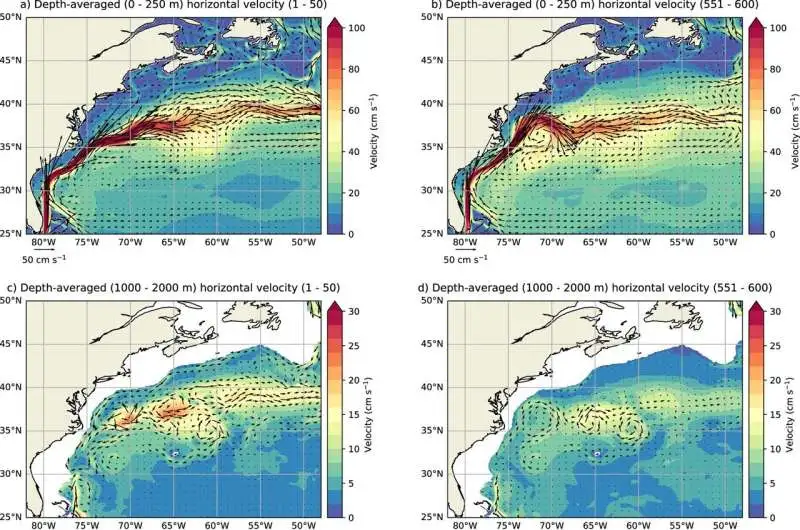
The Atlantic Meridional Overturning Circulation (AMOC) is a vast network of currents, with the Gulf Stream representing its surface component. This system's stability is being challenged by factors such as increased freshwater influx from intensified rainfall, melting ice, and river runoff. These elements dilute ocean salinity, a critical factor in the density-driven circulation that powers the AMOC.

While some scientists express reservations, citing the complexity of the climate system and uncertainties in modeling, the potential consequences of an AMOC shutdown are considered significant. A new study involving the Potsdam Institute for Climate Impact Research (PIK) warns that even in some intermediate and low-emission scenarios, models evolve towards a weakened, shallow circulation state, indicating a deep overturning shutdown.
Despite these concerns, it's important to note that some leading scientists maintain reservations about specific study methodologies, particularly regarding assumptions about understanding the AMOC. They emphasize that while the possibility of an AMOC shutdown should not be dismissed, certainty about its timing, especially within this century, remains elusive. Nevertheless, the discourse underscores the need to prioritize the prevention of the Gulf Stream system's collapse as a global concern.