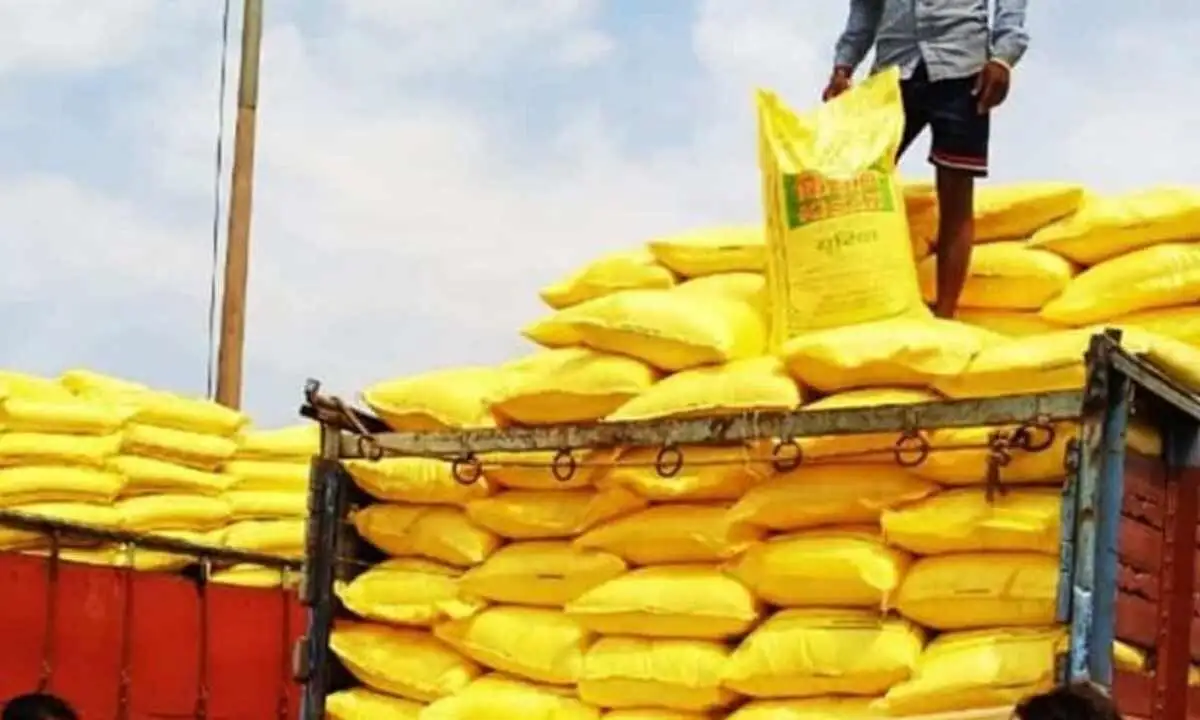
The country reports substantial stockpiles of urea, diammonium phosphate (DAP), and NPK fertilizers, exceeding immediate Kharif season needs. This, according to government statements, is intended to shield domestic agriculture from potential global supply chain disruptions exacerbated by geopolitical tensions and strained energy markets.

Amidst anxieties over international trade routes and a volatile energy landscape, official pronouncements indicate a deliberate strategy to maintain ample fertilizer inventories. Current urea availability is cited at 5.93 million tonnes (mt), with DAP stocks at 2.51 mt and NPK fertilizers at 5.59 mt. These figures, presented as a buffer, aim to ensure continuity in farm supply chains through the peak sowing period. The Department of Fertilizers has underscored that the sector's access to natural gas, a crucial input for fertilizer production, remains a national priority, even amidst strains in global liquefied natural gas (LNG) markets.
Read More: New Wheat Makes Bigger Starch for Food and Industry
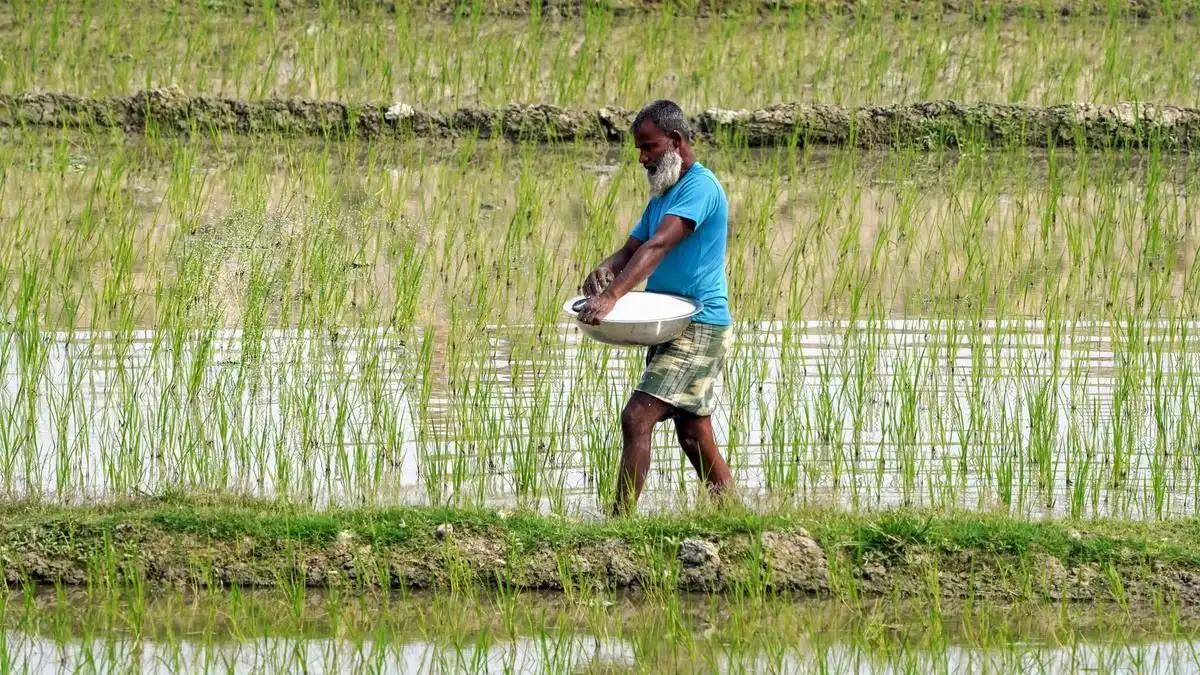
Further reinforcing these claims, reports indicate that domestic fertilizer production has shown consistent performance. Between April and October, average monthly production for urea hovered around 25 lakh metric tonnes (LMT). To supplement this and bridge any demand-supply gaps, the government has actively increased imports, with nearly 17.5 LMT lined up for November and December, and plans for further procurement underway.
Concerns about fertilizer availability have surfaced against a backdrop of escalating global tensions involving the US, Israel, and Iran, which have cast a shadow over shipping lanes. Such disruptions, officials acknowledge, could impact global crude oil and LNG availability, consequently influencing prices and supply stability. In response, the Department of Fertilizers has reportedly engaged in high-level reviews and assured fertilizer companies that gas supply remains a paramount concern.
Strategic Stockpiling and Production Initiatives
The Department of Fertilizers, in coordination with the Department of Agriculture and Farmers Welfare, assesses state-wise fertilizer requirements before each cropping season. Based on these projections, monthly, state-wise, and company-wise supply plans are formulated. This structured approach is intended to facilitate timely and adequate fertilizer distribution nationwide.
Read More: High Court Halts John Doe Execution Over Evidence Claims
Beyond immediate stock management, efforts are reportedly underway to bolster India’s long-term fertilizer self-sufficiency. This includes the execution of two new urea plants, one in Namrup (Assam) and another in Talcher (Odisha), each with an annual capacity of 12.7 LMT. Several other proposals aimed at strengthening domestic production capabilities are also under review.
Farmer Support and Quality Assurance
Official statements have urged farmers to proceed with Kharif season preparations without apprehension regarding fertilizer availability. The government maintains that farmers are the central priority and their interests will not be compromised. Beyond supply, mechanisms for quality assurance are reportedly in place, with regular checks intended to ensure farmers receive genuine and effective products. For those encountering fertilizer malpractices, a complaint mechanism with the Department of Fertilizers is accessible.
Read More: Karnataka requests higher Totapuri mango limit for farmers in April 2026
Additionally, the government has indicated a push towards promoting 'organic and balanced nutrient use'. Schemes offer financial assistance to farmers for organic inputs, including direct benefit transfers for on-farm and off-farm organic materials. Subsidies are also provided for phosphatic and potassic (P&K) fertilizers, with fixed amounts determined on an annual or bi-annual basis.
.png)