A special session of Parliament, slated to commence on April 16, has ignited a fierce debate, with the opposition Congress party leveling accusations of a "complete mockery of democracy" and a "bulldozer mentality" against the government. Central to the controversy is the government's alleged refusal to share crucial Constitution amendment bills with opposition members ahead of the parliamentary proceedings. This lack of transparency, according to Congress leaders like Jairam Ramesh and Sonia Gandhi, undermines democratic norms and parliamentary procedure.

The special session, scheduled to run from April 16 to April 18, coincides with the peak of election campaigning in Tamil Nadu and West Bengal. Opposition figures argue that this timing, coupled with the withholding of legislative texts, effectively prevents meaningful deliberation and dissent. The bills in question are understood to relate to constitutional amendments necessary for the 'Nari Shakti Vandan Adhiniyam', which links women's reservation to the census and delimitation processes. A separate Delimitation Bill is also anticipated.
Read More: Taiwan Holds Nantou County Drills to Prepare for State Collapse
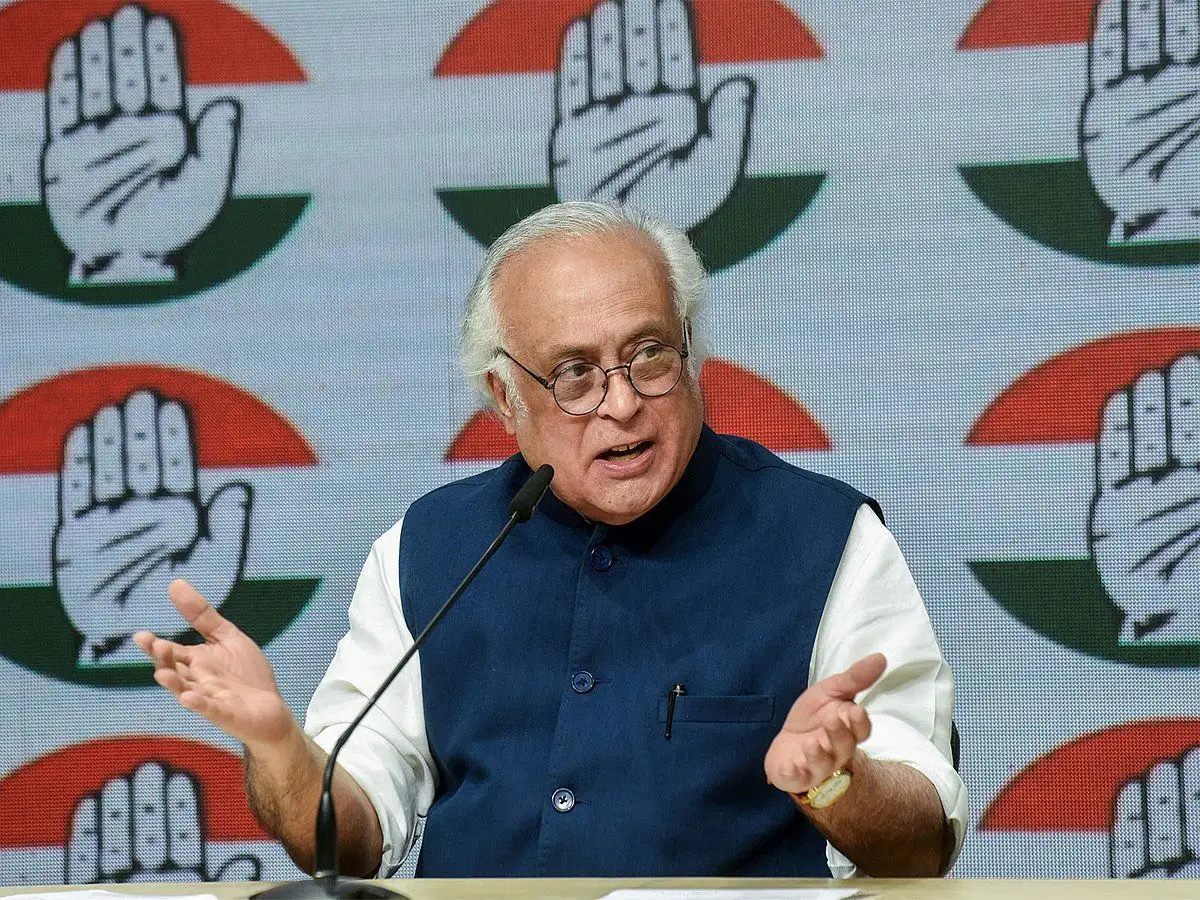
"The special session of Parliament will begin day after tomorrow on April 16th - when the election campaign in Tamil Nadu and West Bengal will be at its peak." - Jairam Ramesh, via X.
The Congress has also voiced concerns regarding the potential impact of proposed delimitation measures, with some reports suggesting an increase in the Lok Sabha's strength from the current 543 to 816. Critics argue this could disproportionately benefit more populous states at the expense of southern states that have achieved population stabilization. The party further points to remarks by Census Commissioner Mritunjay Kumar Narayan, suggesting that the basis for some of the proposed amendments, tied to census data expected in 2027, appears premature.

The opposition's objections extend beyond the immediate session. Sonia Gandhi has specifically criticized the government's alleged refusal to convene an all-Party meeting following elections, framing it as a deliberate move to avoid broader consultation. The timing of the special session, occurring amidst ongoing elections, is seen by the opposition as a strategic maneuver to limit public discourse and scrutiny of these significant legislative proposals.
Read More: High Court Halts John Doe Execution Over Evidence Claims

Historical Context and Underlying Tensions
This confrontation over parliamentary procedure and legislative transparency is not an isolated incident. In November 2025, the Congress, along with several other INDIA bloc parties, boycotted a Joint Parliamentary Committee (JPC) formed to examine other contentious bills. At that time, the opposition accused the government of using its majority to "rewrite the Constitution" and establish a "rubber-stamp JPC." The current criticism echoes these prior assertions, highlighting a persistent pattern of conflict over the government's legislative approach and the opposition's role in parliamentary oversight. The party has repeatedly invoked the warnings of B.R. Ambedkar, the architect of the Constitution, suggesting the current government's actions are in direct contravention of his vision for parliamentary democracy.
.png)