Heavy snow and severe storms are currently impacting, or are forecast to impact, various regions across the United States. The National Weather Service (NWS) has issued multiple warnings, signaling hazardous travel conditions, potential disruptions to daily life, and dangers from ice and strong winds.
The core of the immediate threat involves significant snowfall, with estimates ranging up to 10 inches in some areas, alongside a risk of ice and powerful winds that compromise visibility and create dangerous driving conditions. Beyond snow, there's a stated intensification of severe weather, including tornado risks, expected to continue through the end of April.
Northern Plains and Midwest Face Snowfall
States including Northern Iowa, South Dakota, Nebraska, and Minnesota are already experiencing snow. The forecast indicates that Northern Michigan, particularly the Upper Peninsula, could receive between 4 to 10 inches of snow.
Broader Severe Weather Concerns
Beyond the snowfall, a wider array of severe weather alerts are in effect across numerous counties.
Read More: Mumbai Red Alert July 2026 Causes School Closures and Train Delays
North Carolina: Carteret, Dare, Hyde, New Hanover, and Pender counties are under alerts.
South Carolina: Georgetown and Horry counties are also affected.
Illinois: A long list of counties, including Adams, Brown, and Pike, are on alert.
Iowa: Des Moines, Lee, and Louisa counties are among those listed.
Kansas: Bourbon, Labette, and Linn counties are flagged for severe weather.
Michigan: Baraga, Cheboygan, and Dickinson counties face potential hazards.
Missouri: Numerous counties, from Bates to St. Charles, are under warnings.
Oklahoma: Le Flore County is listed.
Texas: Smith and Wood counties are mentioned.
Washington: Chelan County is noted.
Wisconsin: Dodge, Green Lake, and Jefferson counties are included.
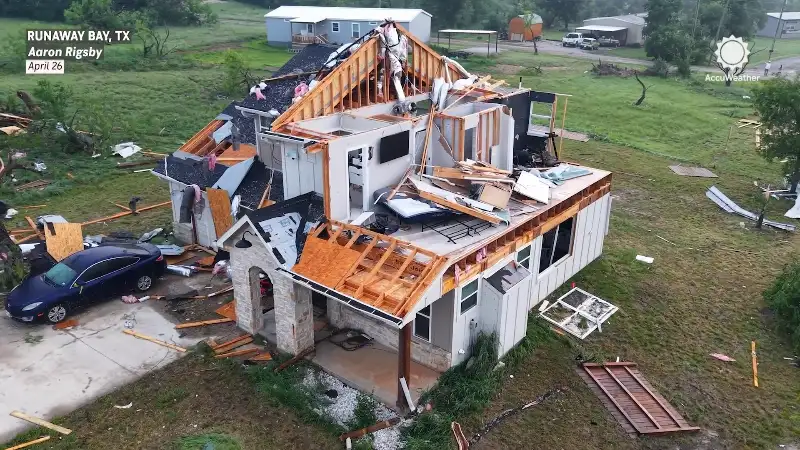
Additionally, severe thunderstorm watches and warnings have been issued in parts of Kansas, Missouri, and Oklahoma, with specific reports noting severe thunderstorms moving across areas like Waynesville, Missouri. The forecast for the coming days suggests an intensification of these severe weather events.
Context and Forecast
While specific dates for the broader severe weather outlooks vary, with some sources noting low predictability beyond a few days, the immediate concern is a significant weather system affecting the nation. Reports from January 2026 also discussed dangerous travel conditions, potential power outages, and falling trees due to snow and ice in Southern states, alongside dangerously low temperatures. This suggests a pattern of severe winter-like conditions occurring even outside typical winter months.

.png)