The clamour to reignite North Sea oil and gas drilling, spurred by international conflict and soaring prices, is met with significant skepticism from former military leaders and energy analysts. Their core argument: increased domestic drilling will not meaningfully lower consumer costs nor provide long-term energy security. The UK's production levels are too small to sway global markets, which operate on supply and demand principles, making calls for expanded extraction appear more symbolic than practical.
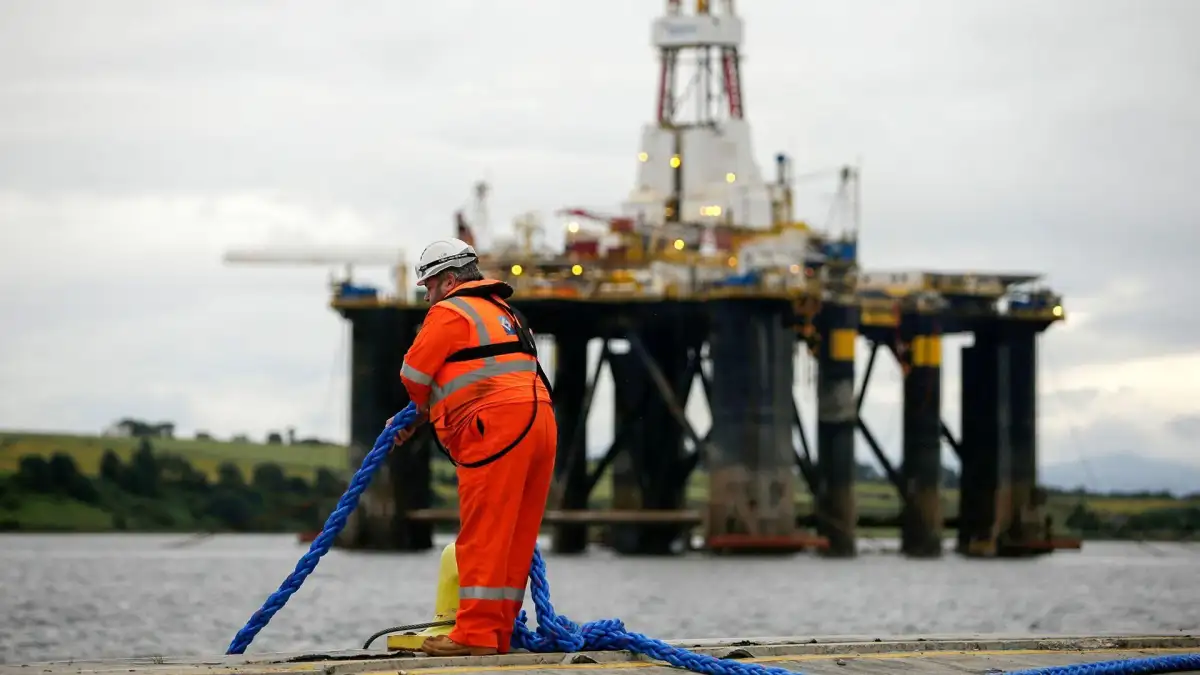
While some political factions, notably the Conservative Party, advocate for legislative changes to facilitate new drilling, citing a need to access domestic fossil fuel resources amidst high European energy prices, this push is countered by evidence suggesting limited impact. Proponents of increased drilling aim to capitalize on potential oil revenue during periods of geopolitical instability and price spikes, but this revenue maximization is separate from, and potentially at odds with, consumer benefit.
Read More: Solaris Energy SEI Stock Price Forecast Reaches $91.98 by July 2027
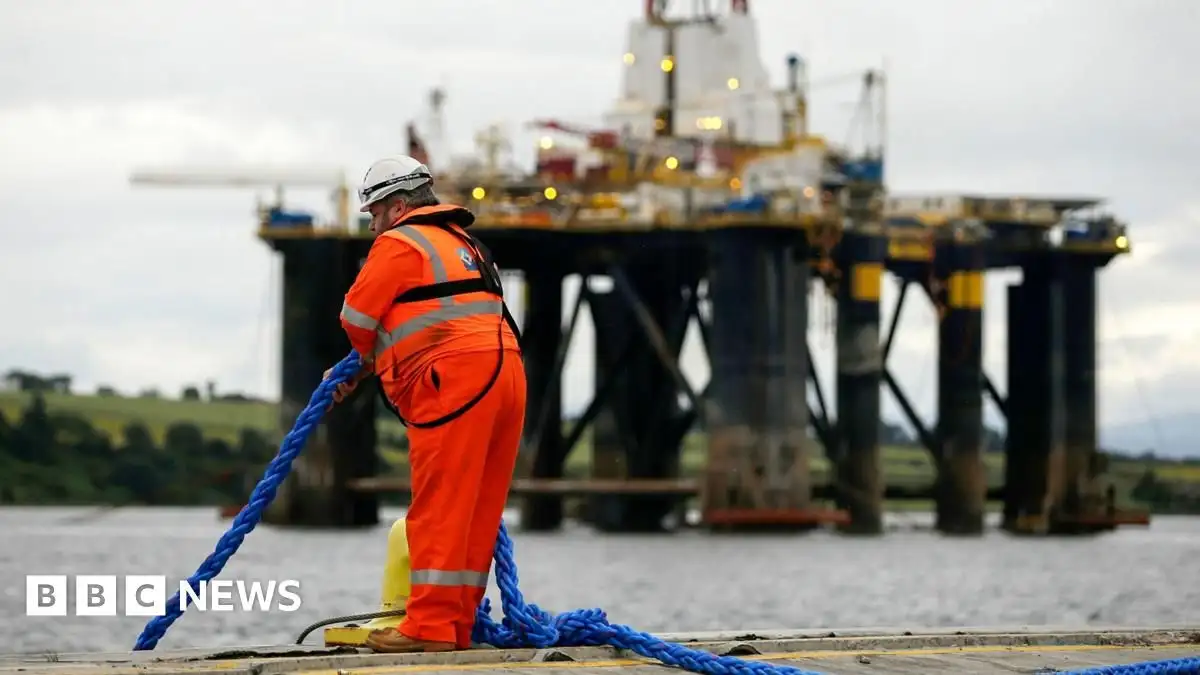
The debate is framed by competing narratives: one that views domestic production as essential for energy independence, and another that critiques this as a "false choice," arguing for a balanced approach incorporating renewables, efficiency, and demand reduction. Even if the UK were to maximize North Sea extraction and directly return revenues to households, the cost savings are projected to be considerably less than those achievable through a hastened transition to renewable energy sources.

A Shifting Landscape
Recent policy shifts indicate a government intention to manage existing North Sea oil and gas fields for their operational lifespan, rather than issuing new exploration licenses. This "North Sea Future Plan" signals a move towards growing clean energy industries while acknowledging the continued, albeit managed, role of current fossil fuel operations. This approach seeks to support North Sea workers and communities through the transition.
Read More: Andrew sublet Royal Lodge cottages for years, NAO report says

Economic Realities and Environmental Questions
Arguments against increased drilling often point to the declining reserves in the North Sea, with production having peaked in the late 1990s. Extracting remaining oil and gas is becoming more difficult, costly, and of lower quality, leading some major oil companies to divest from the region. The notion that domestic production would significantly impact global greenhouse gas emissions is also challenged; even the complete cessation of the UK's domestic oil and gas industry would have a minimal effect on global emissions levels. The "mythbuster" perspective suggests that opposition to domestic production is often political rather than strictly technical or economic.
The Case for Continued, Managed Production
Trade bodies and certain political groups maintain that continued North Sea operations are vital. They highlight that the region currently supplies over half of the UK's oil and gas needs. From this viewpoint, domestic production, particularly of gas, could reduce reliance on volatile international liquefied natural gas (LNG) markets, a crucial point during periods of supply crisis. This perspective argues that turning away from domestic gas sources during a supply crisis is illogical.
Read More: Summer AC Settings: Save Money by Raising Thermostat
Background and Historical Context
The North Sea has historically been a significant source of oil and gas for the UK. However, production levels have been in steady decline for decades. International events, such as conflicts in the Middle East, have exacerbated price volatility in global energy markets, reigniting debates about national energy security and the role of domestic fossil fuel production. The political discourse surrounding this issue is multifaceted, involving concerns about energy costs, economic impacts, environmental considerations, and the broader energy transition.