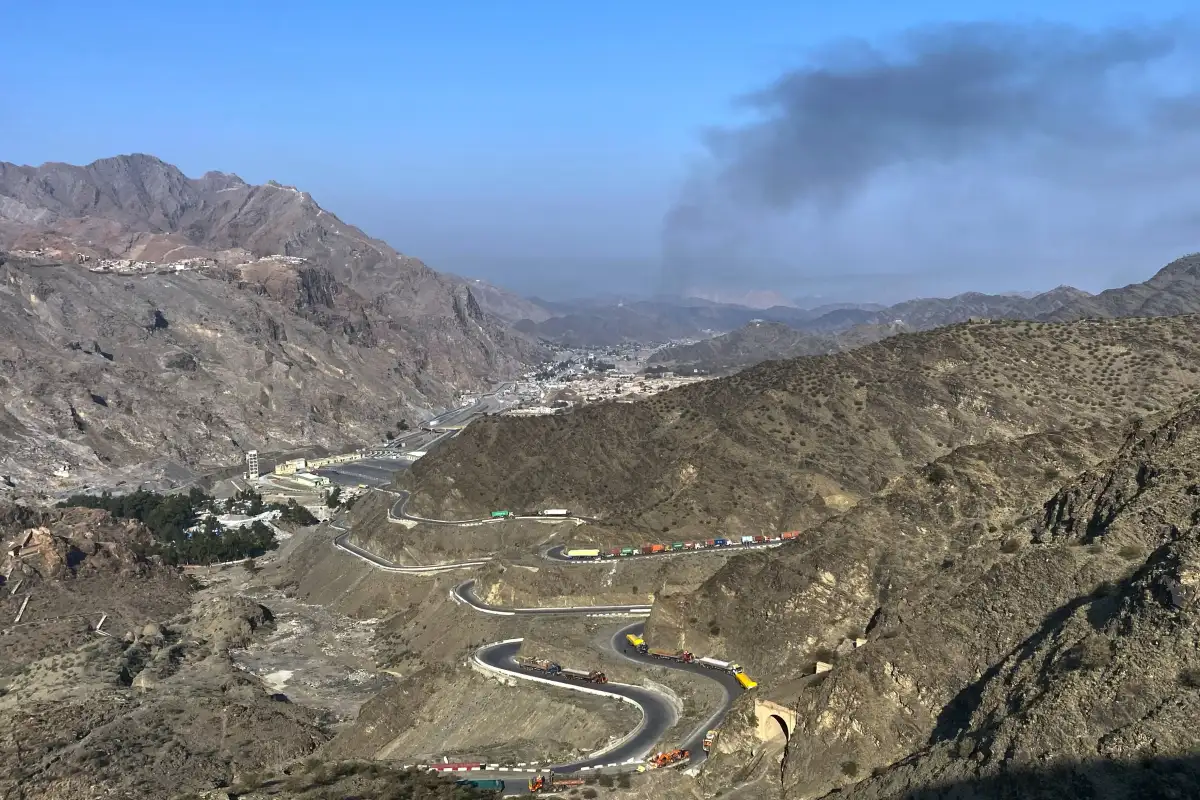
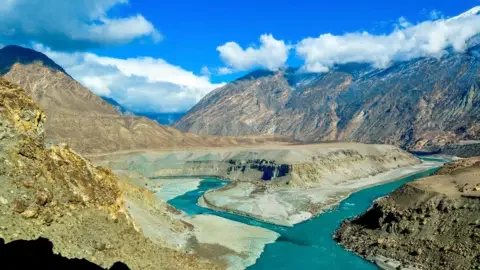
The Strait of Hormuz, a critical artery for global oil trade, remains effectively closed following Iranian actions, drawing stark threats from the United States regarding further strikes on Iranian infrastructure. This ongoing disruption, now in its fifth week, has sent oil prices spiraling and destabilized financial markets, while diplomatic efforts at the United Nations face significant hurdles.

The United Nations Security Council is slated to consider a Bahraini resolution aimed at safeguarding commercial shipping in and around the vital waterway. However, opposition from China, a permanent member with veto power, signals a complex diplomatic landscape, particularly regarding the authorization of force. Meanwhile, US President Donald Trump has reiterated his willingness to target Iran's civilian power plants, offering no clear timetable for de-escalation. This stance has drawn vows of retaliation from Iran, fueling regional instability.
Read More: US supports Pakistan border strikes against Taliban as of April 2026

Concerns have been raised about potential 'war crimes' should attacks target essential civilian infrastructure. Specifically, deliberate strikes on desalinization plants, vital for providing potable water in the region, could carry significant legal ramifications under international law. The White House has asserted that US forces will operate within legal boundaries, despite President Trump's increasingly aggressive rhetoric.
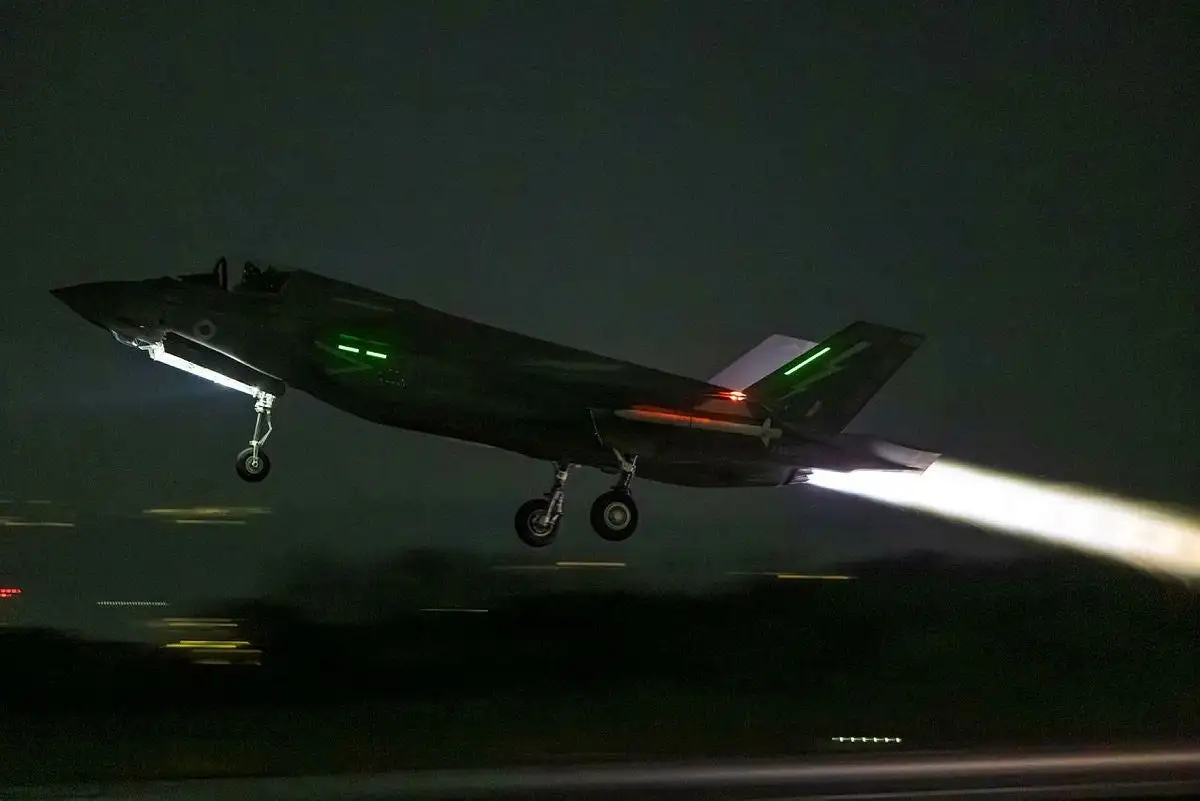
The conflict's origins trace back to late February, with the current situation arising from joint US-Israeli aerial assaults. Iran's closure of the Strait of Hormuz, which typically handles about a fifth of the world's oil trade, is presented as retaliation for these attacks.
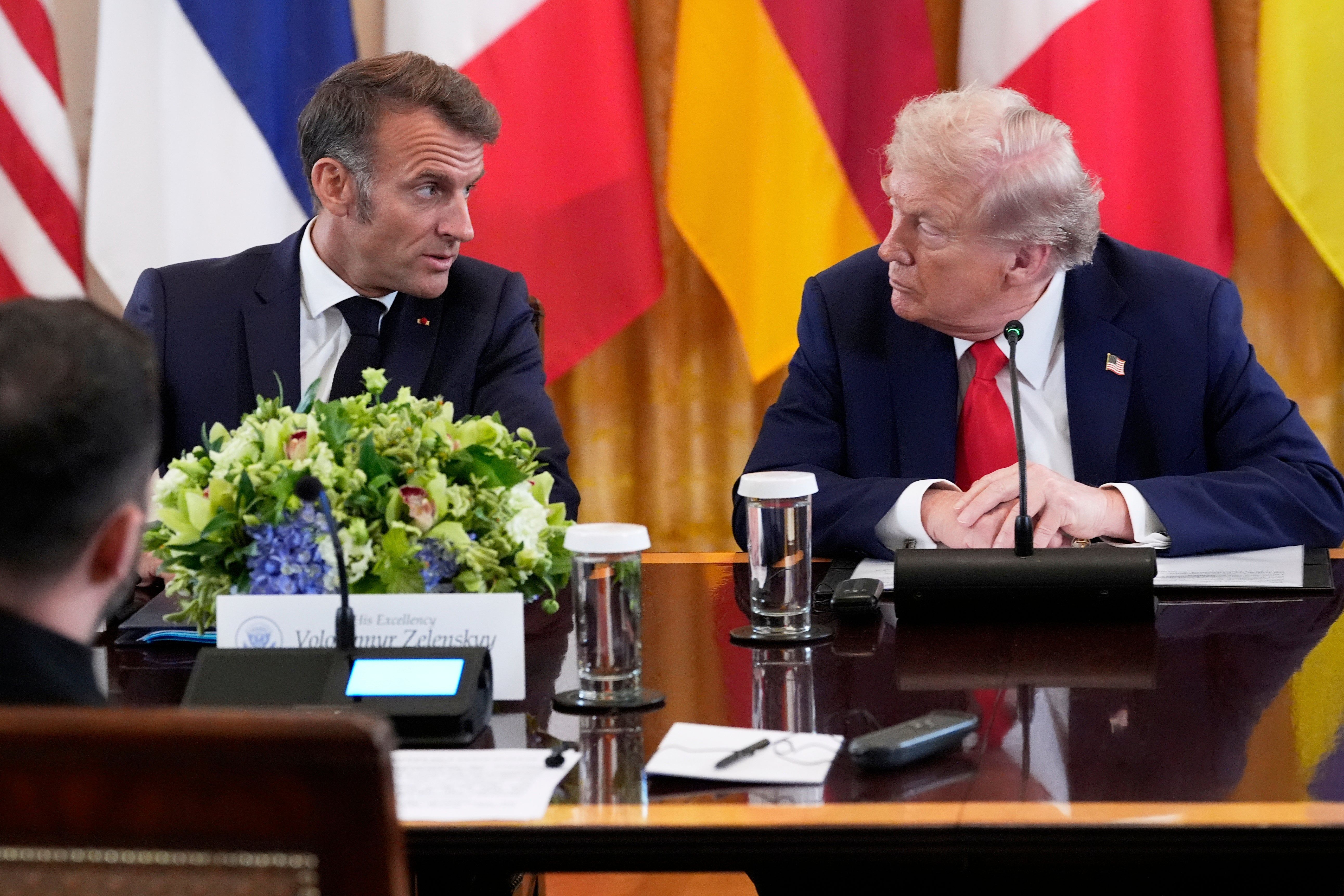
President Trump has previously threatened the complete obliteration of Iranian infrastructure, including power plants, oil wells, and the key export hub of Kharg Island, should Iran not immediately reopen the Strait. Discussions within the US administration have reportedly included options for seizing or destroying Kharg Island, potentially involving ground troops.
Read More: Solaris Energy SEI Stock Price Forecast Reaches $91.98 by July 2027
International reactions have varied, with some nations exploring military options. Japan has indicated a potential willingness to deploy its military for mine-clearing operations in the Strait, contingent on a ceasefire. Reports also suggest aerial attacks affecting the United Arab Emirates following Iranian warnings against allowing strikes from its territory.
Amidst the escalating tensions, President Trump has also claimed that Iran is on the verge of developing nuclear weapons, a claim not independently substantiated in the provided reports. He has also attributed rising US gas prices to the Iranian regime. Despite the ongoing conflict, stock markets have seen gains and oil prices have seen a slight decrease, with President Trump suggesting an end to hostilities could be imminent.