The air in Delhi is thick with anticipation, not just for the arrival of spring, but for the India Art Fair 2026, poised to be its most expansive edition yet. Touted as South Asia's largest art event, this year promises a dizzying array of over 130 exhibitors, a significant jump from previous years, showcasing everything from established modern masters to avant-garde installations that probe our deepest societal fissures. But as the doors swing open at the NSIC Exhibition Grounds, a critical question lingers: Is this sprawling spectacle merely a high-stakes marketplace for the elite, or a genuine, albeit complex, mirror reflecting the soul of a rapidly changing nation and its global connections? We delve beyond the glossy press releases to uncover the underlying currents and ask the tough questions.
The India Art Fair (IAF), now in its 17th edition, has evolved from a niche gathering into a major cultural behemoth. Initially conceived as a platform to foster the art market in South Asia, its trajectory has been marked by increasing international participation and a broadening scope. This year, the fair is not just bigger, it's bolder, with a diverse lineup that includes the debut solo exhibition of acclaimed Chinese artist Ai Weiwei at Nature Morte, a significant international presence that underscores India's growing role on the global art stage. Alongside this, new institutions like the Sabyasachi Art Foundation and Ardee Foundation are making their mark, while established names continue to draw crowds. The expanded Design section and the newly designed Institutions section signal a deliberate move to integrate various creative disciplines, suggesting a holistic approach to artistic expression. But with such rapid growth, can the fair maintain its artistic integrity, or will the commercial imperative overshadow critical discourse?
Read More: India IVF Costs And Social Barriers Limit Access In April 2026
Read More: Banana Art Stolen From French Museum, Replaced Quickly

A Global Stage, Local Roots: Who is Truly Represented?
The presence of Ai Weiwei, whose work often delves into politically charged themes of human rights, censorship, and societal critique, is a marquee event. His exhibition, featuring pieces spanning nearly three decades, including his "F.U.C.K" (2024) and large-scale toy-brick compositions, aims to reflect his "long-standing investigation into material evidence, cultural memory, and the politics of images." This marks his first solo show in India, a fact highlighted as "overdue and essential, especially now, when the politics of images, movement, and belonging are shaping lives everywhere — including here.” This sentiment resonates deeply within the current socio-political climate, raising questions about how deeply such international discourse will be integrated into the fabric of the fair.
Ai Weiwei's debut: A significant coup for IAF, bringing a global figure known for his outspoken political art to India.
Themes of "politics of images, movement, and belonging": Directly addresses contemporary global anxieties, suggesting a curated focus on relevant issues.
New institutional participants: The inclusion of foundations like Sabyasachi Art Foundation and Ardee Foundation suggests a broadening of the fair's curatorial vision, potentially bringing new perspectives.
However, amidst this global spotlight, one must ask: How does the IAF balance its international allure with the need to champion and critically engage with the rich tapestry of South Asian artistic talent? Are emerging Indian artists given the same caliber of international exposure, or does the allure of global names overshadow local innovation? Furthermore, the fair's partnership with Sri Lanka for its first international artist in residence, Dumiduni Illangasinghe, exploring "fragility, resilience, and regeneration," offers a promising avenue for cross-cultural dialogue. But are these instances isolated highlights, or indicative of a sustained commitment to diverse regional voices?
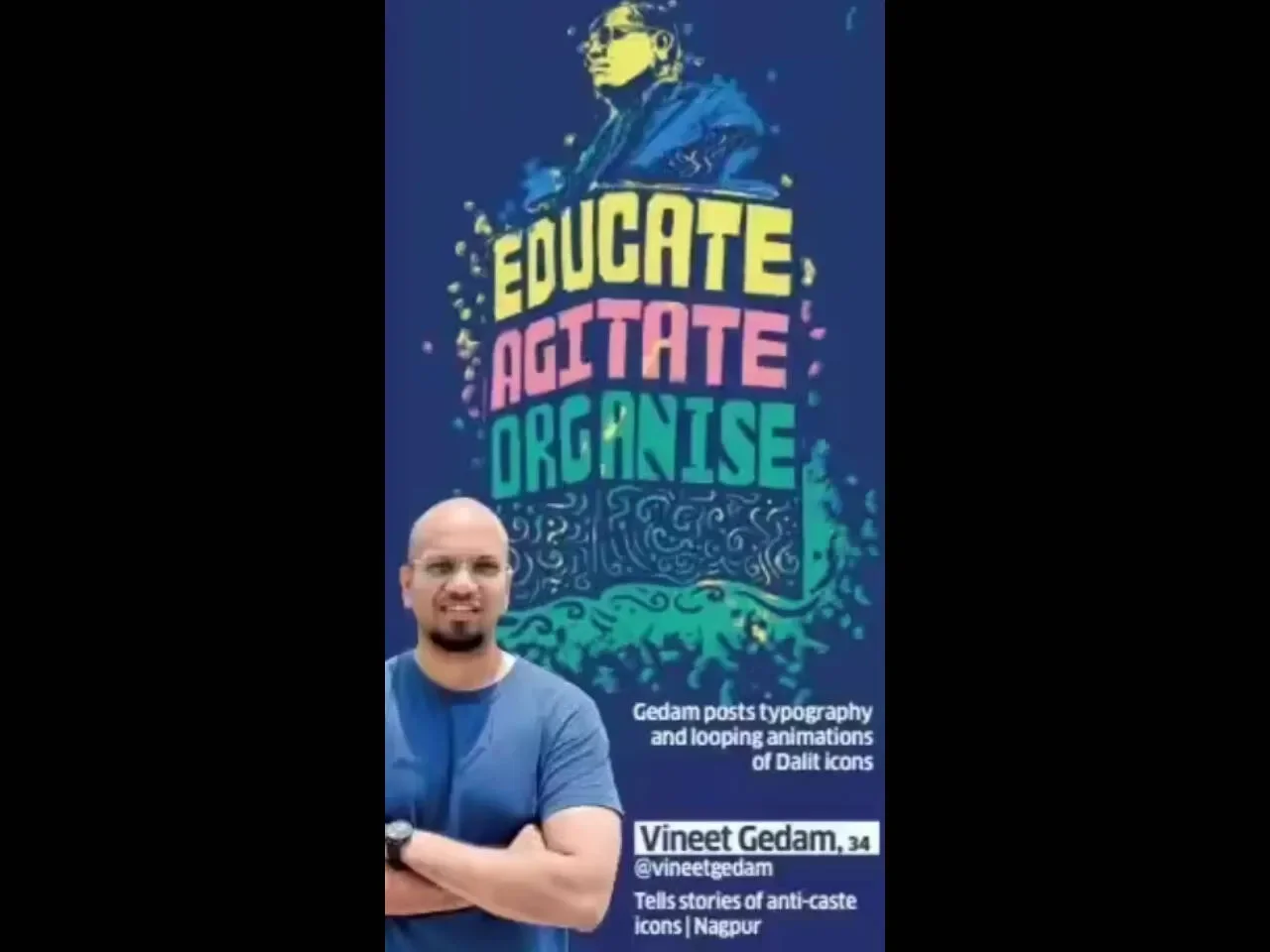
Read More: Indian artists use Instagram for anti-caste art

"Presenting his first solo show in India feels both overdue and essential, especially now, when the politics of images, movement, and belonging are shaping lives everywhere — including here.” - Ai Weiwei Studio (via The Hindu)
The Business of Art: Commerce vs. Cultural Discourse
The IAF has undeniably grown into a significant economic engine for the art world. Galleries like Nature Morte, Art Alive Gallery, and KYNKYNY Art Gallery are present, alongside international names such as David Zwirner Gallery. This commercial aspect is crucial for artists' livelihoods and galleries' sustainability. The fair explicitly states its aim is to be a "living ecosystem—commercial, performative, discursive, and deeply social," acknowledging the multifaceted nature of the event.
Read More: Tamil Cinema Loses K. Bhagyaraj and Bharathiraja, Ending An Era
| Feature | Description | Potential Implication |
|---|---|---|
| Exhibitor Numbers | Over 130 exhibitors, including 27 new participants. | Increased diversity of offerings, but also potential for market saturation and superficiality. |
| Gallery Presence | Leading Indian and international galleries showcasing established and emerging artists. | Creates a competitive market, potentially driving prices but also demanding significant investment. |
| Design Section | Expanded focus on design studios and galleries, blurring lines between art and functional objects. | Broadens appeal and potential revenue streams, but raises questions about artistic hierarchy. |
| VIP Previews | Dedicated preview days for VIPs, collectors, and media. | Reinforces the exclusivity and transactional nature of the event for its core audience. |
But where does this leave the art that questions, provokes, and challenges? Is the "friction between commerce and culture" that the fair claims to embrace a sustainable balance, or does commerce inevitably dominate? Some insiders express a desire for art that is "on the edge and experimental, and not that which is only oriented towards commerce.” This sentiment highlights a persistent tension. As fair director Jaya Asokan notes, the fair acts as a "bridge during these tumultuous times," emphasizing "design-led conversations." While important, one must question if this emphasis on "design-led" and commercially palatable themes inadvertently steers clear of more radical artistic explorations.
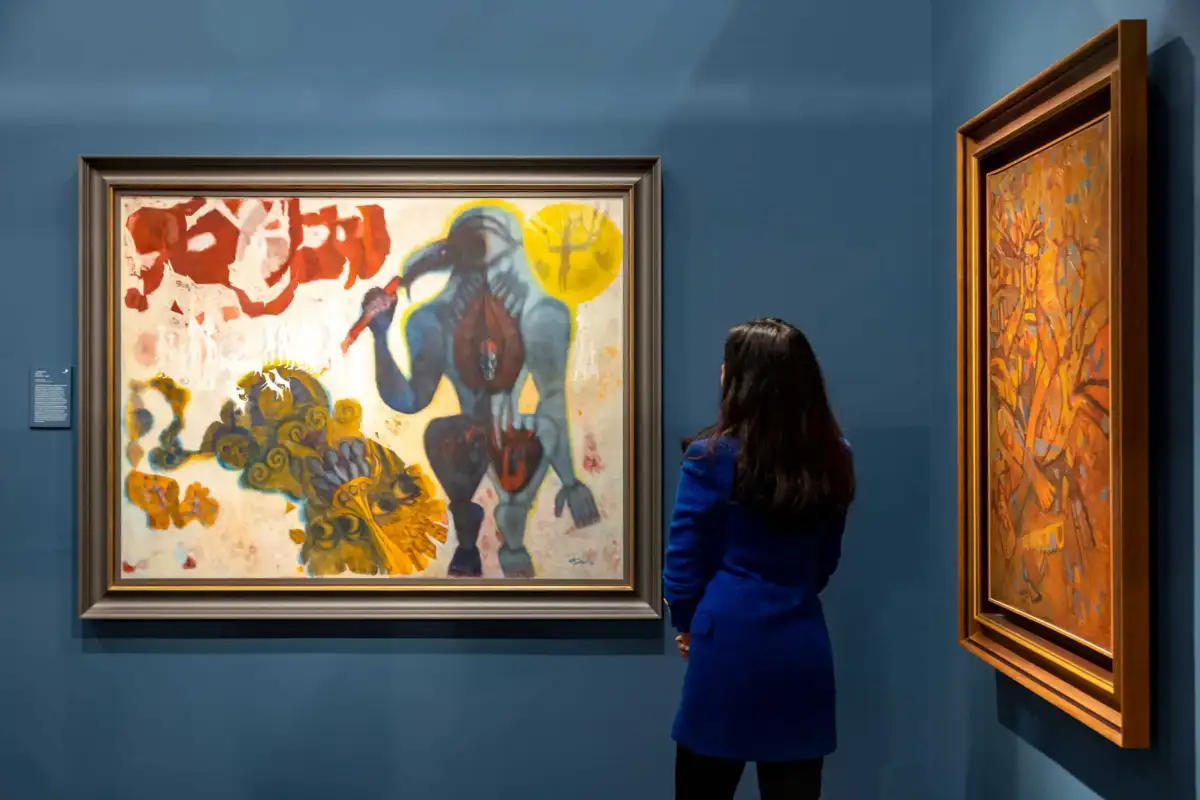
The IAF’s scale and commercial focus present a clear tension between its role as an art market facilitator and a platform for critical, challenging artistic discourse.
Read More: Kerala Artist Abhilash Thotathil Shows Work at Cannes Biennale
Beyond the Booths: Art as a Social and Political Statement?
This year's IAF seems to be making a concerted effort to move beyond the traditional gallery space. The "outdoor art projects" are designed to respond to "urgent questions around ecology, gender, technology, and material experimentation," inviting visitors to experience "moments of wonder, play, and deep reflection." This push towards participatory art and installations that engage with societal issues is commendable.
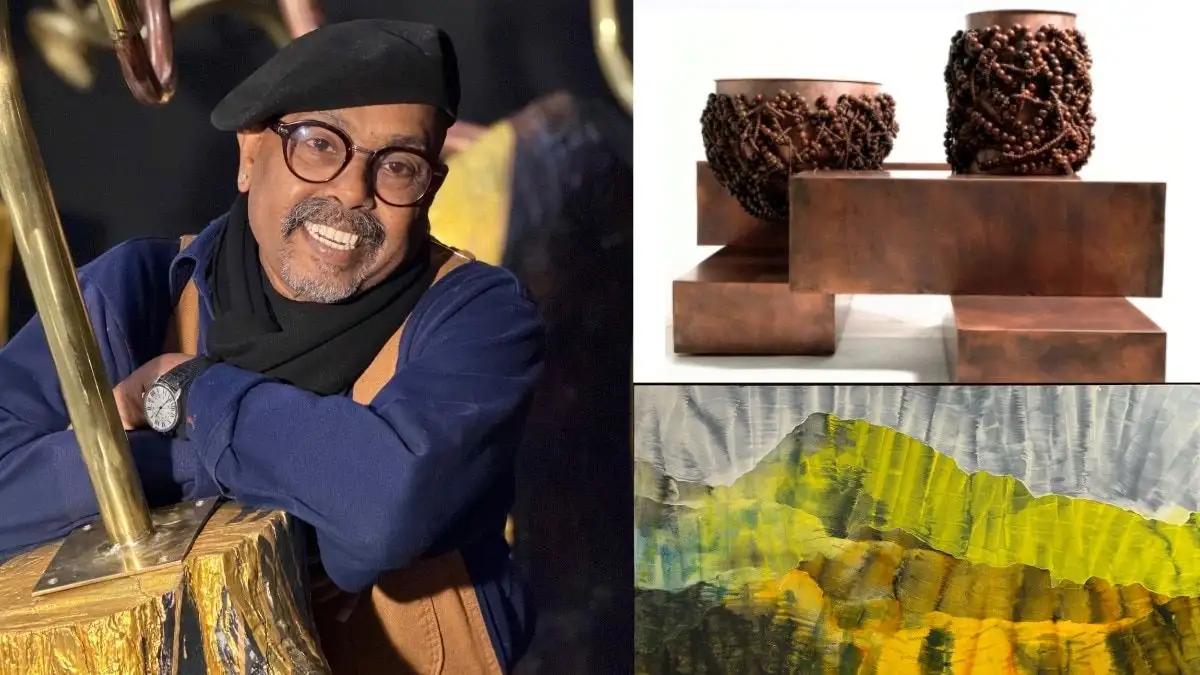
Dumiduni Illangasinghe's residency: Focuses on "fragility, resilience, and regeneration," touching upon ecological and societal themes.
Recycling as a theme: Several artists are noted for their focus on recycling, both as a process and a philosophical inquiry, directly addressing environmental concerns. One example is a piece comprising "27 sculptural forms" centered on recycling.
KNMA's outreach programs: Examining "ecology and sustainability," foregrounding diverse ways of knowing and community-led pedagogy.
"The Other Story" exhibition: This historical parallel, which confronted Britain’s colonial legacy and highlighted the contributions of artists of Asian, African, and Caribbean ancestry, featured in the program, points to an engagement with historical injustices and the importance of diverse narratives.
These initiatives suggest an awareness of art's potential to provoke thought and dialogue on critical contemporary issues. Yet, the fundamental question remains: Do these projects reach beyond the art-cognoscenti and the fair's transactional environment to truly impact broader societal understanding and action? Or are they curated moments of contemplation within an otherwise commerce-driven event?
"What I’m noticing globally, and increasingly at India Art Fair, is a shift in art’s emotional language from grand statements to subtler, more personal narratives around migration, memory, healing, and repair." - Shaleen Wadhwana, Curator, IAF Public Art Talks Programme 2026 (via CNTraveller)
The fair's program also includes workshops like the ceramic workshop focusing on "kurinuki carving technique" and ideas of "objecthood, archives, and reverence." While these offer an experiential dimension, their connection to larger societal dialogues might be more oblique. The commitment to inclusivity is further evidenced by the availability of "wheelchair buddies" for visitors.
Read More: Supreme Court May Order Ayodhya Temple Fund Audit Due to Theft Claims
Unanswered Questions: What Does the Future Hold?
As the India Art Fair 2026 unfolds, it presents a complex picture. It is undeniably a vital platform for artists, galleries, and collectors, driving the South Asian art market and fostering international exchange. However, the sheer scale and the undeniable commercial pressures raise crucial questions about its deeper purpose.
Authenticity vs. Spectacle: With 135 exhibitors and an expanded program, how will the fair ensure genuine artistic merit and critical engagement are prioritized over fleeting trends and commercial viability?
Global Reach vs. Local Voice: While international artists like Ai Weiwei command attention, are local artists and their unique narratives receiving commensurate critical and commercial support?
Art as Activism: To what extent do the fair's ambitious installations and discussions translate into tangible impact or broader societal awareness beyond the art world bubble?
Sustainability of Vision: As the fair grows, how will it maintain its curatorial integrity and avoid becoming a mere consumerist spectacle?
The India Art Fair 2026 is not just an exhibition; it's a dynamic, often contradictory, organism. It reflects the aspirations and anxieties of a nation navigating its place in a globalized world. Whether it succeeds in being more than just a marketplace – whether it truly acts as a critical mirror and a catalyst for dialogue – will be determined not just by the art on display, but by the conversations it sparks, the questions it dares to ask, and the uncomfortable truths it chooses to confront.
Read More: Farmer Creates Heart Shape With Sheep in Guyra as Tribute
Sources:
The Hindu: https://www.thehindu.com/news/cities/Delhi/a-living-laboratory-of-art-on-view-at-the-india-art-fair-2026/article70586839.ece
Architectural Digest: https://www.architecturaldigest.in/story/10-unmissable-showcases-at-india-art-fair-2026-yayoi-kusama-aequo-kynkyny
Livemint: https://www.livemint.com/mint-lounge/art-and-culture/india-art-fair-2026-performance-art-outdoor-projects-focus-section-design-led-conversation-11770264623982.html
India Art Fair (Website): https://indiaartfair.in/
Indulgexpress: https://www.indulgexpress.com/culture/art/2026/Feb/03/apre-art-house-at-india-art-fair-2026
Outlook India (Traveller): https://www.outlookindia.com/traveller/the-art-of-the-moment-a-complete-guide-to-the-india-art-fair-2026
Time Out: https://www.timeout.com/delhi/news/what-to-expect-at-the-india-art-fair-2026-020426
Harper's Bazaar: https://www.harpersbazaar.in/amp/culture/story/must-attend-exhibitions-and-showcases-at-india-art-fair-2026-1340691-2026-02-04
India Art Fair (Programme): https://indiaartfair.in/programme
India Art Fair (Visit): https://indiaartfair.in/visit
CNTraveller: https://www.cntraveller.in/story/10-art-insiders-on-how-to-do-india-art-fair-like-a-pro/
Outlook Luxe: https://luxe.outlookindia.com/art-design/art/what-to-not-miss-at-india-art-fair-2026-must-see-art-fashion-and-design-installations
TradeIndia: https://www.tradeindia.com/tradeshows/122384/india-art-fair-2026.html
Travel + Leisure: https://www.travelandleisureasia.com/sea/travel-tips/trip-planning/india-art-fair-2026-delhi-dates-venue-and-more/
Indian Express (Ambitious Edition): https://indianexpress.com/article/express-sunday-eye/why-2026-india-art-fair-most-ambitious-edition-10504773/
Indian Express (Icons, Practices, Art): https://indianexpress.com/article/cities/delhi/india-art-fair-in-delhi-brings-together-modern-icons-experimental-practices-10516420/
STIR World: https://www.stirworld.com/see-features-india-art-fair-2026-and-more-in-delhi-the-stir-list-of-must-see-exhibitions