The stakes are high as India returns to the Venice Biennale, aiming to project its cultural identity and artistic evolution on a global stage. This marks a significant moment, following a history of inconsistent participation. The "Geographies of Distance: Remembering Home" exhibition at the 61st International Art Exhibition of La Biennale di Venezia brings together five Indian artists, curated by Amin Jaffer, to explore themes of heritage, change, and interconnectedness. The initiative seeks to anchor India's contemporary artistic voice within its deep civilizational memory while embracing global conversations, signaling a renewed commitment to international cultural exchange.
Historical Context of India's Biennale Participation
India's engagement with the Venice Biennale has been sporadic, with only two prior pavilions in its 131-year history: one in 2011 and another in 2019. This new participation in 2026 is presented as a statement of "cultural confidence" and a deliberate effort to foster "global dialogue." The current pavilion aims to showcase a contemporary India that is "deeply rooted in its civilisational memory while fully engaged with the world today."
Read More: Banana Art Stolen From French Museum, Replaced Quickly
The "Geographies of Distance: Remembering Home" Exhibition
The exhibition features a group of five artists: Alwar Balasubramaniam (Bala), Sumakshi Singh, Ranjani Shettar, Asim Waqif, and Skarma Sonam Tashi. The central theme, "Geographies of Distance: Remembering Home," explores the artists' diverse practices and how they connect to India's material culture and traditions.
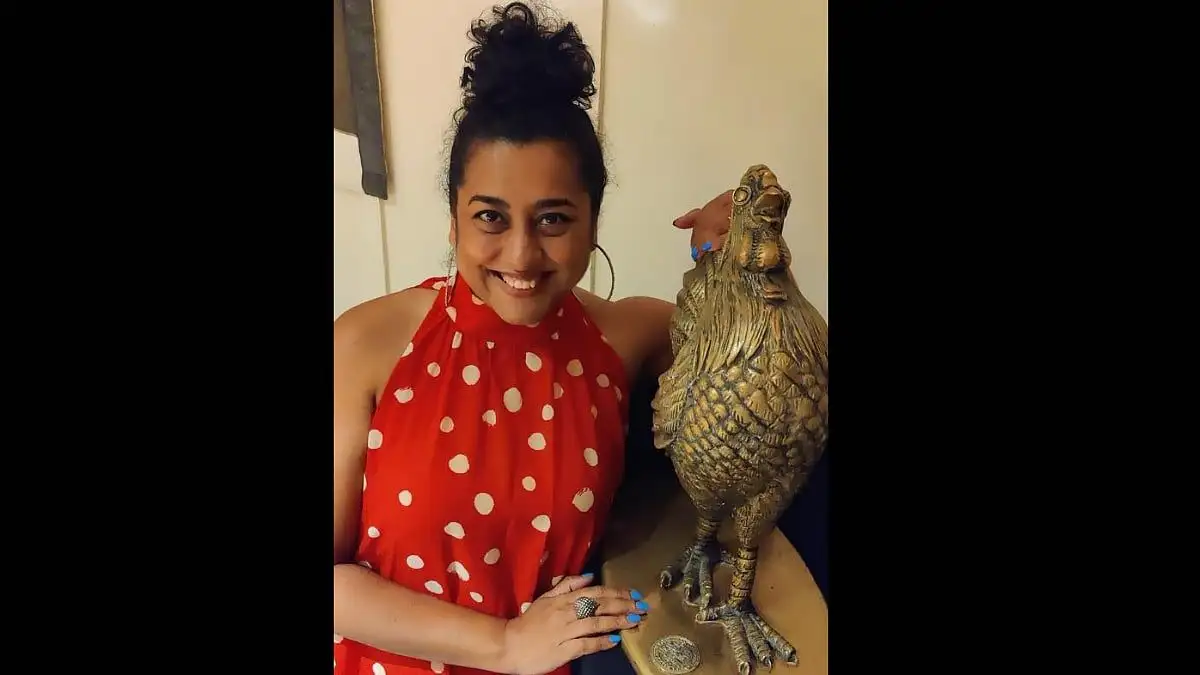
Curator Amin Jaffer's Vision: Jaffer, formerly a senior curator at the Victoria and Albert Museum, emphasizes that "creative vision is not defined by geographic boundaries." He highlights how the participating artists, despite their varied backgrounds, are united by their use of "organic materials traditional to India."
Artist Contributions: The artists' works draw on millennia-old material culture to evoke an "emotional connection to the idea of home." They engage with themes of transformation, mobility, and the global diaspora, reflecting "the experience of a world in constant change."
Artists and Their Thematic Explorations
The participating artists bring a range of artistic approaches to the exhibition:
Sumakshi Singh: A New Delhi-based artist known for her installations using embroidered thread.
Asim Waqif: A trained architect whose work often addresses sustainability. His practice includes interactive installations that encourage contemplation on themes such as "sustainable habitation in the era of climate change," "reducing our ecological footprint," and "fostering ideas of community, shared living, and proximity." These installations are described as "site- and collaboration-specific."
Ranjani Shettar: A Karnataka-based sculptor who transforms natural materials into organic forms, exploring India's craft traditions.
The Role of Material Culture and Tradition
A key element of the exhibition is the artists' engagement with traditional Indian materials. The project statement notes that the artists "draw on the material culture traditions that span millennia to evoke an emotional connection to the idea of home." This focus on indigenous materials and age-old crafts serves as a bridge between India's historical legacy and its contemporary artistic output.
Broader Cultural and Political Significance
The return of the India Pavilion is framed as a moment of pride for India. The Union Minister of Culture and Tourism, Shri Gajendra Singh Shekhawat, stated that India's presence at Venice represents a "proud moment of cultural confidence." Isha Ambani has also highlighted the pavilion's role in "fostering global dialogue while celebrating India’s rich artistic traditions." The exhibition is intended to situate India's creative talent within a global context, showcasing "interdisciplinary practices and the evolving realities of contemporary India."
Read More: France World Cup Boston Ticket Prices Revealed for 2026
Sources Used
The Art Newspaper: Provides details on the five participating artists and curator Amin Jaffer's perspective on the exhibition's themes and material choices. https://www.theartnewspaper.com/2026/02/04/five-artists-announced-for-indias-venice-biennale-pavilion
Free Press Journal: Announces the India Pavilion's participation and the exhibition title, emphasizing the contemporary Indian perspective rooted in civilizational memory. https://www.freepressjournal.in/press-release/india-returns-to-venice-biennale-2026-with-geographies-of-distance-remembering-home
Rajnipuram News: Details the exhibition's exploration of "Geographies of Distance," highlighting its role in global artistic dialogues and the contributions of specific artists like Ranjani Shettar. Mentions the emphasis on civilizational memory and engagement with global trends. https://ramrajyanews.com/india-pavilion-explores-geographies-of-distance/
Travel + Leisure Asia: Features an interview with curator Amin Jaffer, providing insight into his curatorial philosophy and experience, though not directly focused on the Venice Biennale. https://www.travelandleisureasia.com/in/people/interview-with-art-curator-amin-jaffer/
Serendipity Arts: Mentions an interactive installation by Asim Waqif that touches upon themes of sustainability and community, possibly relating to his contribution at the Biennale. https://serendipityarts.org/india-art-fair-2026/