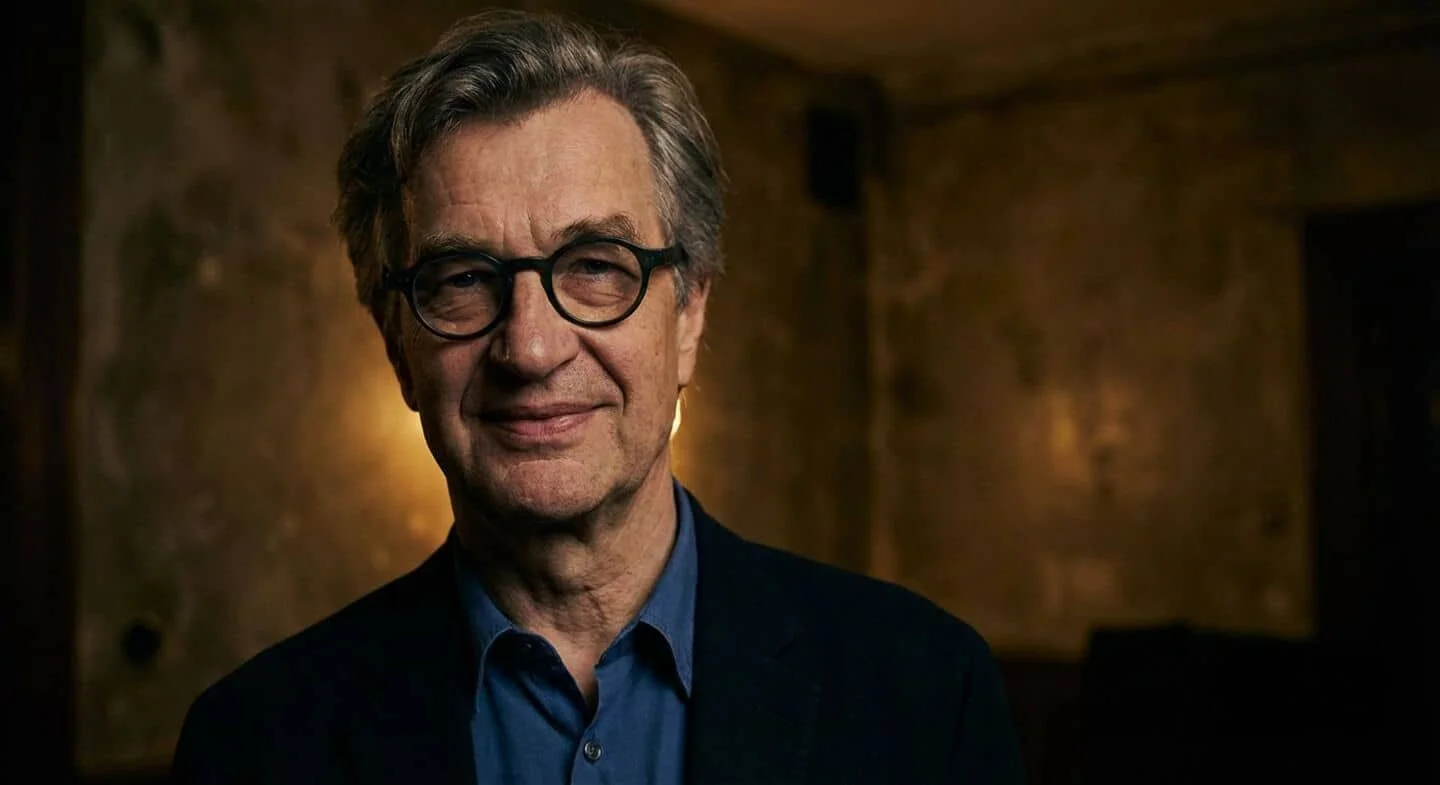
The start of the 76th Berlin International Film Festival, the Berlinale, has been marked by a pronounced stance from jury president Wim Wenders. At the opening press conference, Wenders, a celebrated filmmaker, articulated his views on the capacity of cinema, stating that while movies possess the power to influence the world, this impact is distinctly separate from political engagement. His remarks came amidst a backdrop of global tensions and a program at the Berlinale known for its focus on geopolitical issues and rights struggles.
Festival's Political Undercurrents
The Berlinale, considered one of Europe's foremost film festivals alongside Cannes and Venice, has a well-established reputation for its politically charged programming. This year's edition is no exception, featuring approximately 200 films and documentaries that delve into the effects of global conflicts and human rights challenges. The festival takes place at a time of significant international unrest, including ongoing wars and widespread threats to human rights, issues that are frequently reflected in the films presented.
Read More: Tamil Cinema Loses K. Bhagyaraj and Bharathiraja, Ending An Era
Wenders' Position on Cinema and Politics
During the opening press conference, Wim Wenders asserted that filmmakers should focus on fostering empathy and changing individual perspectives rather than engaging directly in political discourse.
"Politics is not empathetic, but movies are. Veteran director Wim Wenders has hailed the power of cinema to help heal a broken planet as he takes up the jury presidency of the Berlinale, the most politically charged of Europe’s big three international film festivals."
He emphasized that cinema's strength lies in its ability to connect with people on an emotional level, serving as a bridge-builder.
"We have to stay out of politics because if we made movies that are dedicatedly political, we enter the field of politics, but we are the counterweight to politics."
Wenders suggested that films can alter how people think about their lives and the world, a form of change he views as distinct from direct political action.
"No movie has really changed any politician's idea. But we can change the idea people have of how they should live."
This perspective positions cinema as a force for personal and societal evolution through understanding, rather than through direct advocacy or policy influence.
Jury's Response to Political Questions
The press conference quickly moved to political matters when journalists inquired about the German government's stance on the Gaza conflict and the festival's historical support for oppressed groups. Wenders and other jury members were asked if they supported the government's policies and if they believed in a "selective treatment of human rights."
Read More: University of Bonn study shows visual signs boost animal welfare sales
"The presser swiftly turned to politics at just the second question, when a journalist said the Berlinale “doesn’t happen in a vacuum,” but has, historically, as an institution, “been able to show [loyalty] with people in Iran and Ukraine.” He then asked the entire jury about the German government’s “support” of the war in Gaza and “its role as main funder” of “the genocide in Gaza.” He asked: “Do you, as a jury, support this selective treatment of human rights?”"
Jury members, including Polish producer Ewa Puszczyńska, indicated that such questions were unfair to artists. Wenders reiterated his belief that it is a challenge for filmmakers to navigate these questions.
"It's a very complicated question, and I think, as I said, it’s a bit unfair asking us how we support [or] not support our governments… Because that’s the politicians."
The jury's reactions suggest a deliberate effort to maintain a separation between artistic expression and partisan politics, even when confronted with pressing global events.
The Berlinale Jury Composition
This year's Berlinale jury includes a diverse group of filmmakers and industry professionals from various regions.
| Member | Nationality | Role / Notable Works |
|---|---|---|
| Wim Wenders | German | Jury President; Director (Wings of Desire, Perfect Days) |
| Min Bahadur Bham | Nepali | Director (Shambhala) |
| Bae Doona | South Korean | Actor |
| Shivendra Singh Dungarpur | Indian | Director, Producer, Archivist |
| Hikari | Japanese | Director (Rental Family) |
| Reinaldo Marcus Green | American | Director (King Richard, Bob Marley: One Love) |
| Ewa Puszczyńska | Polish | Producer |
This assembly of talent from different cultural backgrounds will be responsible for evaluating the films competing at the festival.
Technical Difficulties and Festival Operations
The press conference experienced technical disruptions, including issues with the livestream. Organizers later issued an apology for the problems, promising to make the full recording available online. This incident led some observers to speculate whether the broadcast was intentionally cut.
Read More: Maatrubhumi Film Release Delayed Again by CBFC in India
The core signal from this event is Wenders' assertion of cinema's non-political, empathy-driven power, juxtaposed against the Berlinale's inherently political context and a jury's attempt to navigate external political pressures.
Expert Commentary
Art critic and historian Dr. Anya Sharma noted the recurring debate surrounding art's role in politics. "Filmmakers like Wenders often champion the idea that art can effect change by altering perceptions and fostering empathy, arguing this is a more profound and lasting impact than direct political intervention," she stated. "However, the Berlinale's history and the urgency of current global events naturally push these boundaries, creating a tension between the artist's perceived role and the public's expectation for engagement."
Conclusion and Future Implications
Wim Wenders' opening remarks set a distinct tone for the Berlinale, emphasizing a vision of cinema as a force for empathy and human understanding, separate from the realm of political action. While he acknowledged the power of film to change the world, he maintained that this change operates on a deeply personal and societal level, rather than through direct political engagement. The jury's subsequent deflection of politically charged questions highlights the challenges of separating artistic endeavors from the realities of global events. The festival's programming, which prominently features films addressing geopolitical struggles, suggests that the tension between art and politics will remain a central theme throughout its duration. Whether this stance influences the jury's selection of award winners or the broader discourse surrounding the festival remains to be seen.
Read More: Bayern Munich signs Nathaniel Brown for 55 million euros on 7 April 2026
Sources Used:
The Guardian: Published on February 12, 2026. Focuses on Wenders' view of cinema as a bridge-builder for empathy and healing, contrasting it with politics.
Link: https://www.theguardian.com/film/2026/feb/12/berlinale-jury-president-wim-wenders-opening-press-conference
US News (Reuters): Published on February 12, 2026. Reports Wenders' call for filmmakers to stay out of politics and focus on changing thought processes. Mentions jury members and a specific question about the German government's position on Gaza.
Link: https://www.usnews.com/news/world/articles/2026-02-12/movies-can-change-the-world-but-not-politically-says-berlin-film-festival-juror-wim-wenders
Screendaily: Published on February 12, 2026. Covers Wenders and jury members discussing the difference between filmmaking and politics, with Wenders stating films are the "opposite of politics." Mentions personal support for causes by jury members.
Link: https://www.screendaily.com/news/films-are-the-opposite-of-politics-says-wim-wenders-at-berlinale-opening-press-conference/5213737.article
The Hollywood Reporter: Published on February 12, 2026. Highlights the immediate political turn at the presser and Wenders' assertion to "stay out of politics." Details a journalist's pointed question about the Gaza conflict and alleged human rights violations.
Link: https://www.hollywoodreporter.com/movies/movie-news/berlinale-2026-gets-heated-wim-wenders-jury-politics-1236503389/
NewsBytes: Published on February 12, 2026. Reports Wenders' view that filmmakers must "stay out of politics" and that films can change people's ideas about how to live, not politicians' ideas. Notes technical issues with the press conference livestream.
Link: https://www.newsbytesapp.com/news/entertainment/wim-wenders-thinks-artists-should-stay-out-of-politics/story
Elk Valley Times: Published on February 12, 2026. Discusses the Berlinale's reputation for progressive programming and its focus on cinema's power to change the world against a backdrop of international tensions.
Link: https://www.elkvalleytimes.com/news/national/cinemas-power-to-change-the-world-in-focus-at-berlin-film-fest/article23cbfb0f-4cb2-5dad-a969-07c9a3bda0b3.html
FeatureFirst: Published on February 12, 2026. Details Wenders deflecting questions about the Gaza conflict, justifying it by separating art from politics. It notes the inherent political nature of much art and the festival's funding context.
Link: https://featurefirst.net/wim-wenders-deflects-questions-about-gaza-conflict-at-berlinale-using-separation-of-art-as-justification/