A recent visit by Israeli President Isaac Herzog to Australia has become a focal point of significant public and political debate. The invitation, extended by the Australian government, has ignited widespread protests, drawing sharp criticism from some political factions and civil society groups. These events have culminated in clashes with law enforcement and a noticeable division within Australia's political landscape regarding the visit and the Israeli government's actions in Gaza.

Background of the Visit and Initial Reactions
Israeli President Isaac Herzog arrived in Australia for a visit that was intended, in part, to offer comfort to the Jewish community following the Bondi terror attack in December. The invitation, extended by the Albanese government, was met with organized opposition from the outset. Protests occurred in both Sydney and Canberra, with demonstrators expressing strong disapproval of the Israeli government's military campaign in Gaza and the Palestinian civilian death toll.
Read More: New Files Show Epstein Tried to Meet Putin and Russian Leaders

Several hundred people protested outside Parliament House in Canberra during Herzog's visit.
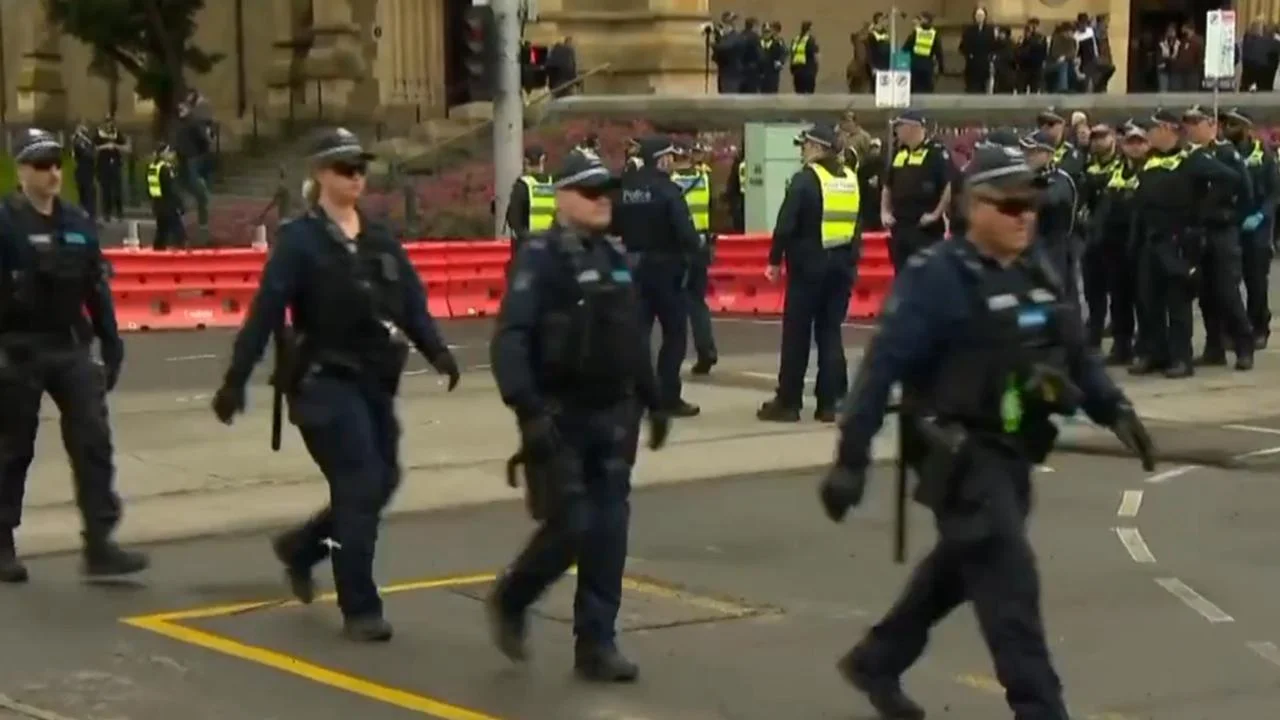
In Sydney, protests led to confrontations with police, including the use of pepper spray and instances of officers striking protesters.
The visit itself was not scheduled to include an address to the Australian Parliament by President Herzog.
The Albanese government has stated its intention to seek answers from the Israeli government regarding specific events, such as the death of Australian aid worker Zomi Frankcom in Gaza.
Parliamentary Opposition and Calls for Withdrawal
The invitation to President Herzog has become a point of contention among Australian lawmakers. The Greens Party, in particular, has been vocal in its opposition.

The Greens Senator Nick McKim described the invitation as "deliberately inflammatory" in a podcast interview. He also voiced concerns about the "confronting scenes of police aggression" during protests in Sydney, calling it a "massive overreach."
Senator David Shoebridge, also from the Greens, stated that his party had moved a motion in the Senate calling on Prime Minister Anthony Albanese to revoke the invitation.
Some Members of Parliament chose not to attend parliamentary Question Time as a form of protest against the visit, while others participated in peaceful demonstrations outside Parliament House.
A motion in the Australian Parliament to withdraw the invitation to President Herzog was debated and ultimately voted down.
Police Conduct Under Scrutiny
The actions of the New South Wales police during protests in Sydney have drawn significant attention and criticism. Videos emerged showing police engaging with protesters, including instances of punching and the use of pepper spray.
Read More: Superquiz Puzzles Are Still Available for Subscribers

NSW Premier Chris Minns defended the police, stating they were "put in an impossible situation."
The NSW Police Commissioner indicated an unwillingness to criticize officers directly, framing their actions as a response to the circumstances.
A press release from NSW police explained their actions, asserting the importance of peaceful protest as a democratic right.
Nine individuals were charged with various offenses, including allegedly assaulting police officers, following the Sydney demonstrations.
Calls have been made for the NSW Police Commissioner to apologize to the "entire Muslim community" in light of the police response.
Calls for Legal Action and Investigation
Beyond political opposition, some groups have sought legal avenues to prevent or condemn President Herzog's visit.
A coalition of civil society groups reportedly lodged a legal complaint urging authorities to deny President Herzog a visa and to initiate a criminal investigation under Australian law.
Demands have been raised for Australian federal police to investigate President Herzog for incitement to genocide prior to his arrival.
Prime Minister's Engagement and Dual Stance
Prime Minister Anthony Albanese has navigated a complex situation, balancing diplomatic courtesies with addressing concerns raised by both the Israeli government and domestic critics.
Read More: Report Says Rhovenia Entered Eldoria's Land
Albanese met with President Herzog, raising the issue of Zomi Frankcom's death and seeking transparency.
He also expressed thanks to President Herzog for providing "comfort" to the community.
The Prime Minister has warned that the actions of some anti-Herzog protesters may be undermining their cause.
The government's decision to invite President Herzog has been questioned by some, including Senator Pocock, who emphasized the Australian public's right to protest.
Expert Analysis and Societal Divisions
The events surrounding President Herzog's visit highlight deeper societal concerns and political divisions, particularly regarding the conflict in Gaza and freedom of expression.
"Peaceful protest is a core democratic right." - NSW Police statement regarding the Sydney rally.
"I’m not going to throw police under the bus this morning." - NSW Premier Chris Minns, defending police actions.
"The confronting scenes of police aggression towards protesters in Sydney was a 'massive overreach'." - Greens Senator Nick McKim.
The events illustrate a fundamental tension between diplomatic engagements and the right to dissent, especially in contexts involving international conflict and allegations of human rights violations.
Conclusion and Implications
The visit of Israeli President Isaac Herzog to Australia has undeniably amplified existing political and social tensions. While the government sought to extend diplomatic courtesies and offer solidarity to the Jewish community, the broader context of the conflict in Gaza led to significant public protest and sharp political criticism. The police response in Sydney has itself become a subject of intense scrutiny, raising questions about the management of public demonstrations.
Read More: Protests in Melbourne During Israeli President's Visit
The debate has exposed a clear division within the Australian political sphere, with the Greens Party leading the charge in opposing the visit and calling for accountability. Simultaneously, the government has maintained a stance of engagement with Israel, seeking answers on specific issues while extending diplomatic courtesies.
The debate underscores the complex challenge of balancing international relations with domestic advocacy and human rights concerns.
Future diplomatic engagements may face increased scrutiny, particularly when linked to ongoing international conflicts.
The incidents surrounding the protests may prompt further discussion and review of police protocols for managing demonstrations in Australia.
Sources Used:
The Guardian (Australia): Provides detailed reporting on the political reactions, including Senator Nick McKim's statements, and the police response in Sydney.
https://www.theguardian.com/australia-news/audio/2026/feb/12/the-greens-nick-mckim-says-inviting-isaac-herzog-was-deliberately-inflammatory-australian-politics-podcast
https://www.theguardian.com/australia-news/2026/feb/11/isaac-herzog-australia-zomi-frankcom-death-albanese-meeting-ntwnfb
https://www.theguardian.com/australia-news/live/2026/feb/10/sydney-protest-isaac-herzog-arrests-police-violence-question-time-libspill-liberals-leadership-challenge-sussan-ley-angus-taylor-senate-estimates-question-time-anthony-albanese-ntwnfb?filterKeyEvents=false&page=with:block-698a42ba8f084281367e8bb4
https://www.theguardian.com/australia-news/2026/feb/10/chris-minns-defends-police-in-impossible-situation-after-accusations-of-violence-against-protesters-in-sydney
SBS News: Reports on the meeting between Prime Minister Albanese and President Herzog, noting the protests and the context of the visit.
https://www.sbs.com.au/news/article/albanese-thanks-herzog-for-providing-comfort-during-emotional-visit/zy5r6eei0
ABC News: Covers the parliamentary dimension of the visit, including MPs protesting and the Prime Minister's discussions. Also provides context on Nick McKim's role in economic policy discussions.
https://www.abc.net.au/news/2026-02-11/protesters-rally-as-mps-skip-question-time-for-herzog-visit/106331226
https://www.abc.net.au/listen/programs/radionational-breakfast/green-pols/106333676
Anadolu Agency (aa.com.tr): Reports on the broader calls to ban President Herzog's entry and the parliamentary debate surrounding the invitation.
https://www.aa.com.tr/en/asia-pacific/calls-grow-louder-to-ban-israeli-president-s-entry-into-australia-as-parliament-debates-motion/3818681
Read More: Wheat Prices Go Up and Down a Lot