The landscape of Super League coverage has undergone a seismic shift over its 30-year existence, moving from fragmented radio bulletins to the omnipresent live streaming of every match. As the competition celebrates its anniversary, the way fans consume the sport reflects broader changes in media technology and rights deals.
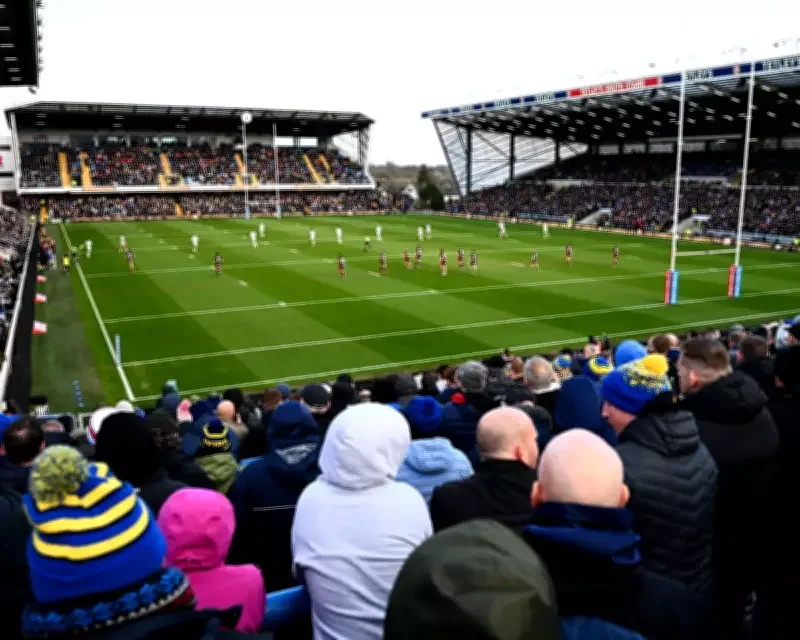
Sky Sports, the primary broadcast partner since Super League's inception in 1996, has secured a new three-year deal ensuring all 170 games each season will be broadcast live. This represents a significant evolution from the early days, when broadcast rights were a fraction of their current value. The initial deal in 1996 was reportedly £52 million over three years, averaging £17.3 million annually. This figure has fluctuated dramatically, reaching a peak of £200 million over five years (£40 million annually) between 2017 and 2021, before dropping to £52 million over two years (£26 million annually) for the 2022-2023 seasons, partly due to pandemic impacts. The latest agreement, however, underscores a renewed confidence in the sport's broadcast appeal.
Read More: AFL Round 4: Carlton and North Melbourne Make Team Changes for Friday Game
Radio's Enduring Reach, Now On Demand
While television now dominates, radio remains a vital conduit for fans. Almost every Super League game is now accessible live via BBC local stations, 5 Live Sports Extra, or TalkSport. This stands in stark contrast to the era of hourly radio bulletins that once sufficed. This expanded audio coverage allows fans to follow games on the go, a far cry from the limited options of the league's inaugural season.

Shifting Foundations: Clubs and Media Presence
The league's own structure has also seen flux, with a significant churn in its founding clubs. Only half of the original dozen teams that launched Super League are still participating. This instability mirrors a change in the media ecosystem supporting the sport. The number of journalists exclusively covering Super League on a full-time basis is now reportedly in single figures, a marked decrease from the two dozen or so journalists who regularly occupied press boxes in the league's early days. This suggests a consolidation of media resources, with fewer dedicated reporters navigating a more complex, multi-platform media environment.
Read More: Guy Goma Wants Money From BBC For 2006 Viral Interview Mix-Up

From Novelty to Normality: New Teams, New Audiences
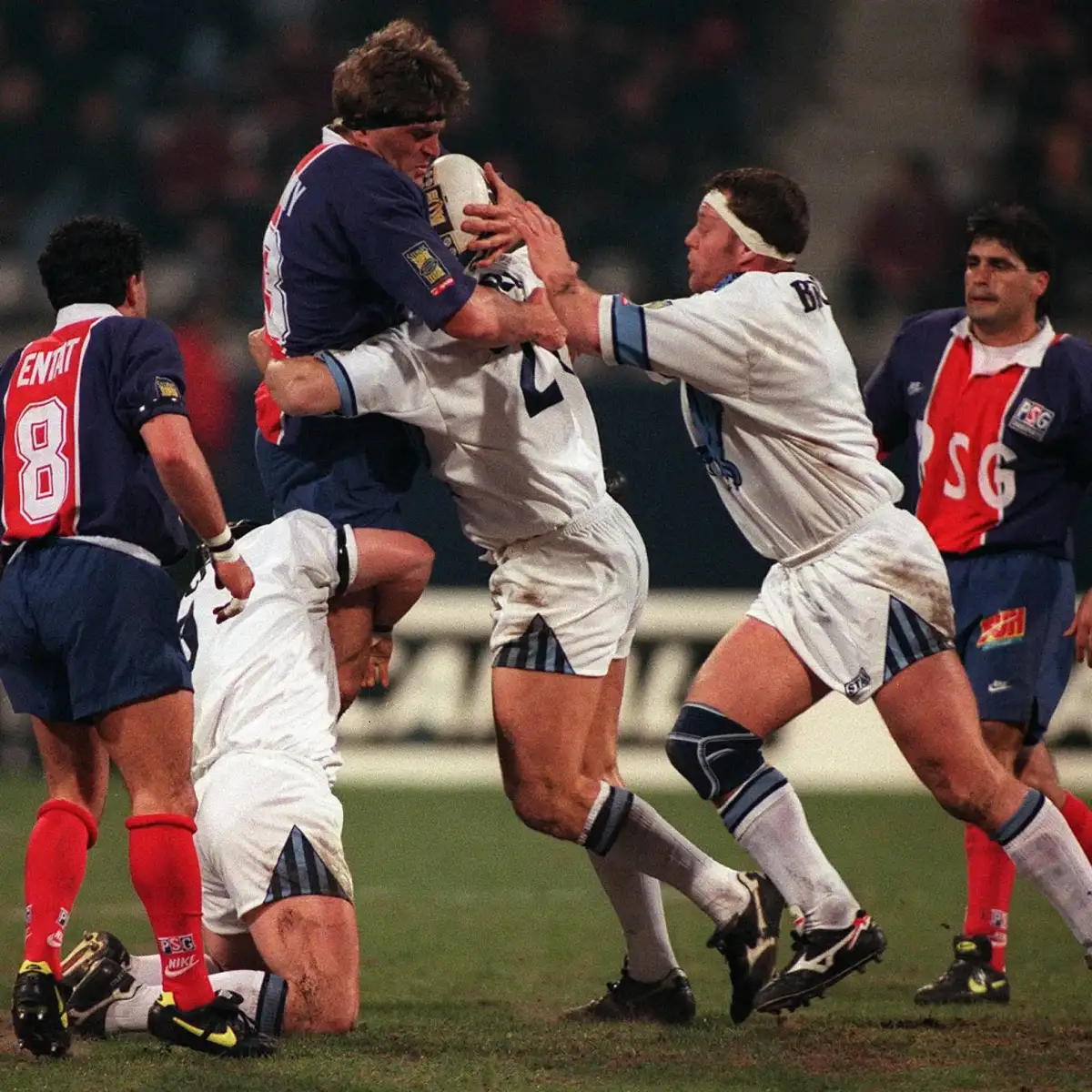
Super League's expansion has also brought new teams into the fold, altering its geographical and cultural footprint. The inclusion of 'London Broncos' and 'Paris St Germain' in the inaugural season, for example, demonstrated an early ambition to broaden the sport's reach. This ambition persists, though rumours suggest a continued interest in re-establishing a London presence while perhaps sidelining other traditional clubs. The recent inclusion of teams like the Catalans Dragons further underscores this evolving international dimension.
Background: The Genesis of Super League
The creation of Super League in March 1996 marked a radical reimagining of top-tier rugby league in Britain. Born out of a desire to professionalise and modernise the sport, it saw a shift away from the traditional structure. The founding 12 teams included established names alongside new entities like Paris St Germain, who were formed specifically for the competition. The first-ever try was scored by Freddie Banquet, etching his name in the sport's history. The league's journey since then has been punctuated by memorable eras and iconic moments, from 'Bullmania' and Leeds Rhinos' 'Golden Generation' to more recent successes like St Helens' and Wigan Warriors' dominance.
Read More: Jermain Defoe becomes Woking manager on 28 March 2025 to lead team in National League