Seismic Shift in Hungarian Politics as Opposition Ousts Long-Serving Prime Minister
Budapest, Hungary – April 12, 2026 – Hungary is poised for a dramatic political realignment following a parliamentary election that saw Prime Minister Viktor Orbán's 16-year tenure decisively ended. The opposition Tisza party, led by Péter Magyar, secured a sweeping victory, appearing on track to win a two-thirds majority in the 199-seat parliament. This outcome, confirmed late Sunday, signals a profound repudiation of Orbán's populist nationalist Fidesz party and marks a potential turning point for Hungary's international relations.
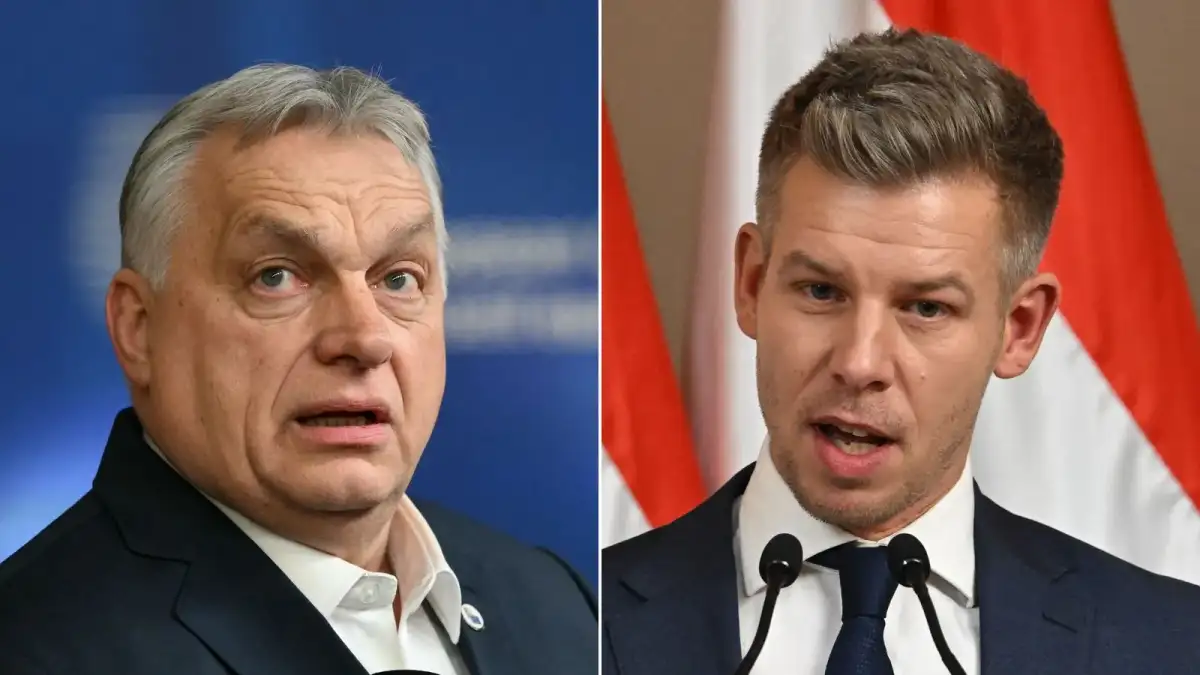
The decisive win for Tisza and Magyar signifies the end of an era for Orbán's government, which has shaped Hungarian politics for over a decade and a half.

Orbán himself has acknowledged the defeat, describing the election result as "painful" in a concession speech. Reports indicate that Magyar has already received a congratulatory call from the outgoing prime minister. The atmosphere in Budapest is jubilant, with supporters of Tisza celebrating in the streets, a scene punctuated by the sounds of revelry and the palpable sense of a historic moment.
Read More: JD Vance Approval Rating Drops to Lowest Ever for a Vice President

A Mandate for Change, Fueled by Foreign Policy and Domestic Woes
Voter turnout was reportedly record-high, underscoring the significance Hungarians placed on this election. For many, the relationship between Hungary and Russia, a key plank of Orbán's foreign policy, was a defining factor in their vote. Magyar's campaign centered on a platform of combating corruption, repairing strained ties with the European Union and NATO, and addressing neglected public services. This resonated with a populace seemingly ready for a departure from Orbán's often confrontational stance with Brussels and his alignment with global far-right movements.

"We have done it," Magyar reportedly told his jubilant supporters, framing the victory as a triumph for a new direction.
The incoming Prime Minister, Péter Magyar, himself a former insider within Orbán's Fidesz party, campaigned on a promise to re-establish Hungary's standing within the European bloc. This includes a potential shift in approach to key issues such as support for Ukraine, where Orbán had maintained a stance against supplying arms and fast-tracking Kyiv's EU accession.
Read More: Russia announces 32-hour Easter truce in Ukraine, Kyiv skeptical
Ripples Beyond Hungary's Borders
The ousting of Orbán, an increasingly isolated figure among EU leaders despite his erstwhile alliances with other populist figures, is expected to send political tremors internationally. Analysts suggest this result could serve as a lesson for other leaders on the populist right. Ukrainian President Volodymyr Zelenskyy has already expressed readiness to advance cooperation with Hungary, signaling a potential thaw in relations.
The End of an Era for Orbán
Orbán's 16-year rule has been characterized by a firm grip on power, significant policy shifts that strained relations with the EU and NATO, and a prominent role in the global far-right populist landscape. His government faced numerous accusations, including allegations of sharing confidential EU information with Moscow. This election result marks a significant break from that trajectory, ushering in an opposition leader who has pledged a return to more conventional, pro-European alliances.
Read More: Trump says high gas prices may last until November elections due to Iran tensions
The Tisza party, under Magyar's leadership, is anticipated to hold a commanding majority in parliament, providing a strong mandate to implement their proposed changes. While vote counting will continue in the coming days, the preliminary results clearly indicate a decisive shift in Hungary's political landscape.