Legislation Set to Take Effect January 1, 2027
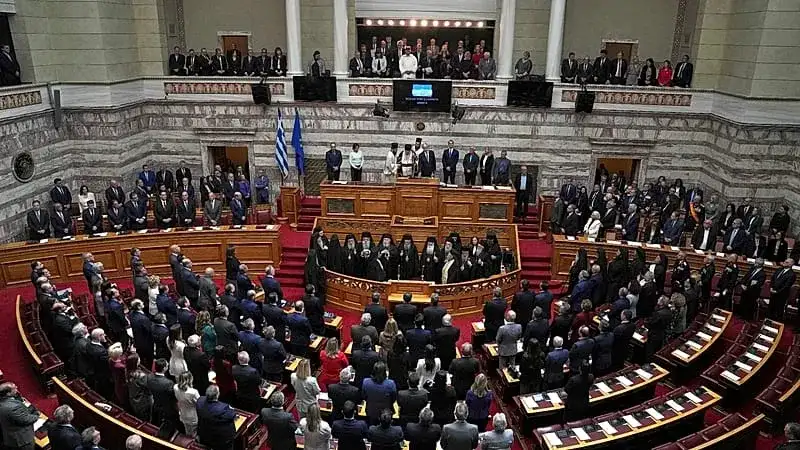
Greece has announced a forthcoming ban on social media access for individuals under the age of 15, a move slated to be enacted from January 1, 2027. Prime Minister Kyriakos Mitsotakis stated the decision was prompted by escalating concerns over children's mental well-being, citing increased instances of anxiety and sleep disturbances attributed to the platforms.
The core of the proposed legislation hinges on the notion that the "addictive design" of certain online applications and their profit models, which are predicated on user attention, fundamentally compromise the "innocence and freedom" of young users.

The Greek government also indicated an intention to advocate for similar measures at the European Union level. This legislative push places Greece among a growing number of nations exploring restrictions on minors' engagement with social media. Platforms will be required to implement measures for user age verification.
Read More: Sir Ian Cheshire to become Ofcom Chair after parliamentary approval
Broader European and Global Context
Other European countries are also moving in similar directions. Spain and Denmark have signaled intentions to establish digital age restrictions for social networks. In France, similar legislation has been advanced, and the UK government is currently engaged in public consultations regarding social media limitations for young people. Indonesia, since March, has been enforcing a ban for users under 16 and has issued formal notices to tech giants Meta and Google for non-compliance.

Recent legal proceedings in the United States have also seen tech companies held liable. In March, a landmark trial concluded that Meta (owner of Instagram, Facebook, and WhatsApp) and Google (parent company of YouTube) were responsible for intentionally designing addictive platforms that negatively impacted a woman's mental health during her formative years.
Public Sentiment and Parental Support
Public opinion surveys within Greece indicate substantial backing for these restrictions, with approximately 80 percent of adults reportedly in favor. Similar trends have been observed internationally, where parents, particularly mothers, have shown strong support for bans on social media for minors under 16. Support for such measures appears to cut across political divides in many countries, though with slightly lower endorsement among some far-right voter segments.
Read More: Four Die in Channel Crossing Attempt Near France on Thursday
"We have decided to go ahead with a difficult but necessary measure: ban access to social media for children under 15 years old," Mitsotakis declared in a video announcement posted on TikTok.
Concerns are echoed by Greek citizens. One parent, Georgia Efstathiou, lamented her inability to curb her 14-year-old son's extensive social media usage and called for governmental intervention. Conversely, another parent, Dimitris Daniil, suggested that a ban should be considered a measure of last resort.
Messaging and video platforms such as Messenger, WhatsApp, Viber, and YouTube are reportedly not encompassed by the current proposed ban. Data from the Greek Safer Internet Centre in Athens suggests a significant prevalence of social media use among primary school-aged children, with 75 percent of those engaging with these platforms falling into that demographic.
Read More: Globant Stock Falls Amid AI Worries, But Some See Value