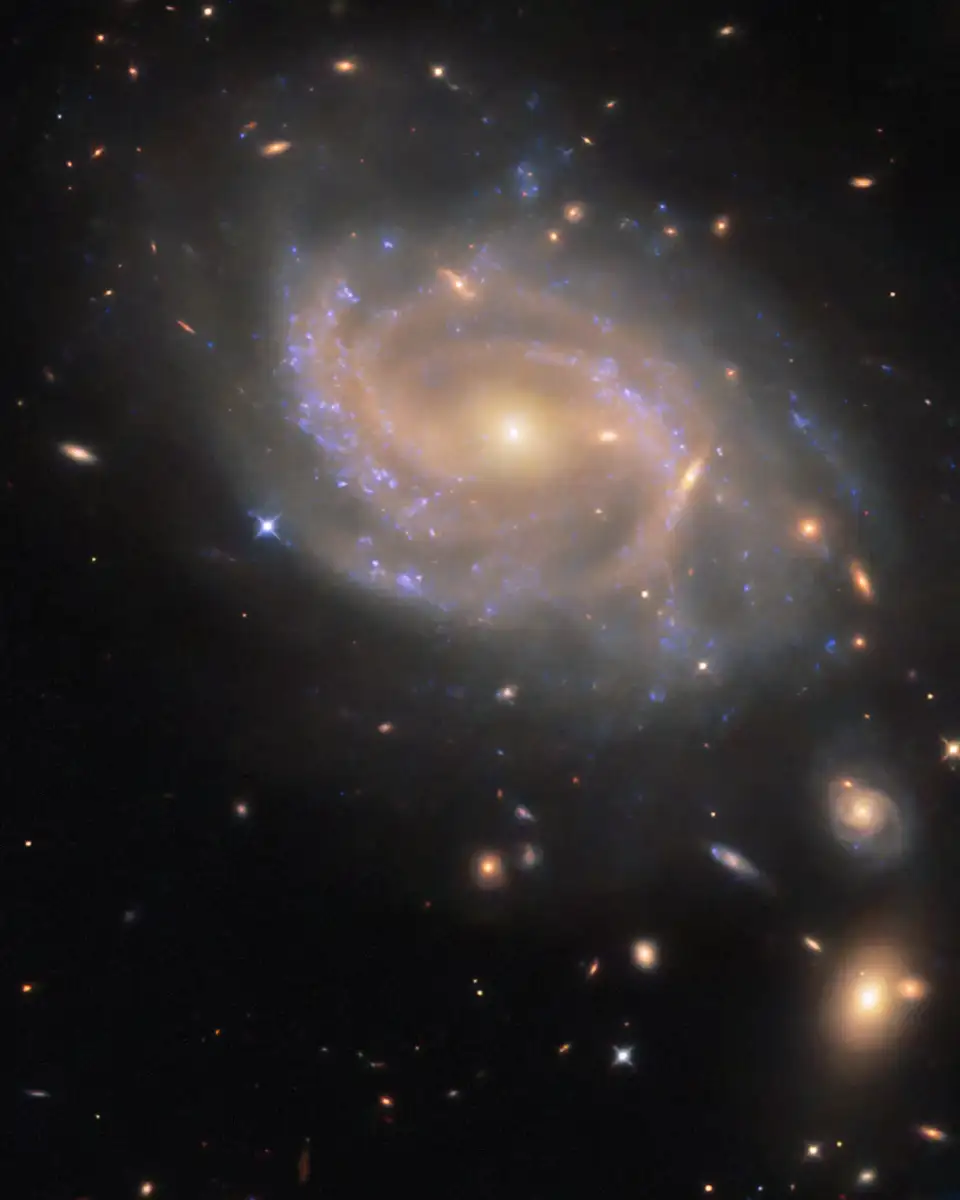
Recent observations from the NASA/ESA Hubble Space Telescope have peeled back layers of distant spiral galaxies, revealing intricate details of stellar evolution and galactic structure. Among the subjects of these ongoing celestial surveys are galaxies such as NGC 4535, nicknamed the "Lost Galaxy," and IC 486, a barred spiral showing a distinct central bar from which its arms unfurl. These images, captured using a variety of instruments including Hubble's Wide Field Camera 3 and Advanced Camera for Surveys, employ different wavelengths of light to highlight distinct cosmic phenomena.
The use of infrared and visible light data, distinguished by orange and blue hues respectively, helps astronomers trace the movement of gas and dust within galactic disks. This material, moving slower than surrounding structures, appears to create 'bottlenecks' along the inner edges of spiral arms. These dense regions become incubators for new stars, appearing as bright blue-white points in the images, a process likened to a cosmic traffic jam.
Read More: US Space Force Victus Haze Mission Successfully Tests Orbital Intercepts
Further insights into star formation and demise are provided by the inclusion of H-alpha emissions. This specific wavelength of red light, when added to imaging, illuminates glowing nebulae, often appearing as brilliant pink clouds. These H II regions are areas of ionized hydrogen gas, energized by the intense radiation of massive, newly born stars. Simultaneously, the lingering signatures of dying stars—supernova remnants and planetary nebulae—are also pinpointed by these H-alpha signals. This dual revelation allows astronomers to map out both the energetic birthplaces and the final stages of stellar life cycles within galaxies.
Recent data also underscores the significance of certain galaxies, like NGC 3370, as crucial "cosmic yardsticks." Located approximately 90 million light-years away, NGC 3370 serves as a prime location for studying Cepheid variable stars and Type Ia supernovae. These celestial objects, known as "standard candles," are fundamental to refining measurements of cosmic distances and understanding the rate at which the universe is expanding.
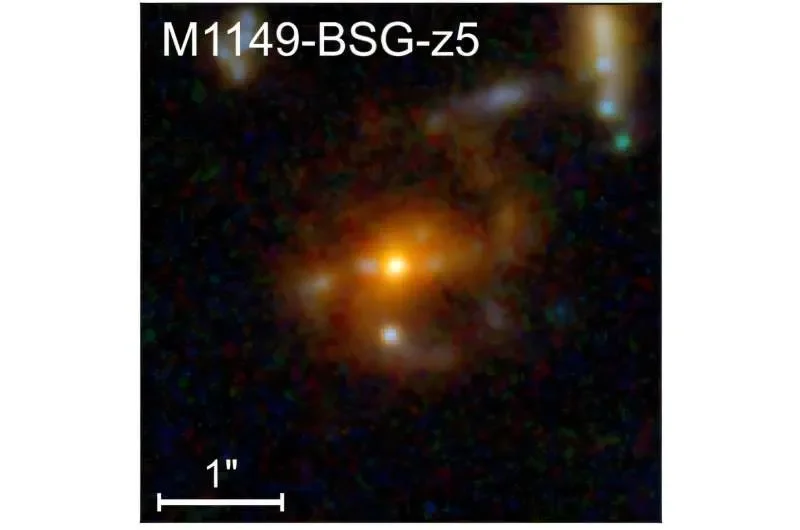
Read More: JWST Finds Oldest Barred Spiral Galaxy M1149-BSG-z5
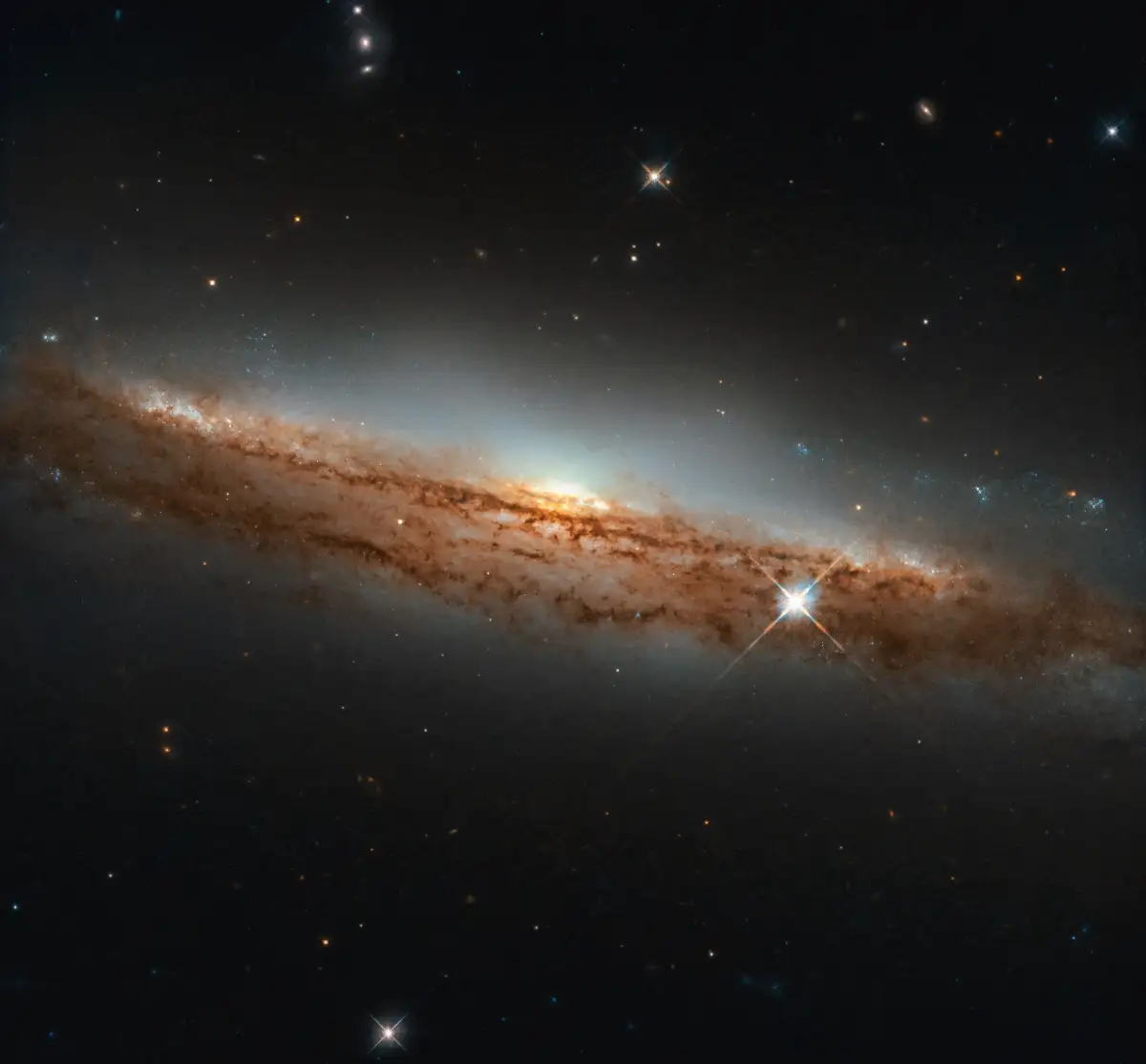
Galactic Architectures and Distant Neighbors
The telescope's continued scrutiny has also cataloged various galactic forms. Barred spiral galaxies, characterized by a central bar-shaped structure from which the spiral arms originate, are a recurring subject. Examples include NGC 4535 (about 52.6 million light-years away in Virgo), IC 486, and Mrk 1337 (roughly 120 million light-years away, also in Virgo). Our own Milky Way galaxy is noted as also possessing such a bar.
In addition to the detailed views of these structured galaxies, Hubble also observes background objects, such as distant galaxies appearing as reddish smudges, and foreground stars within our own Milky Way, identifiable by their characteristic diffraction spikes.
The diverse observational programs utilize data collected across different wavelengths, including ultraviolet, visible, and infrared light, often assigning distinct colors to monochromatic images captured through individual filters. This multi-faceted approach, sometimes spanning over twenty years of data collection for a single target, showcases Hubble's enduring capacity to investigate cosmic phenomena.
Read More: Astronomers' discoveries about comets and cosmic background radiation explained
The collected imagery and data contribute to a broader understanding of galactic classifications, including regular spirals, barred spirals, elliptical, and irregular galaxies. Some subjects, like the Sombrero Galaxy (Messier 104), present complex structures that defy easy categorization, exhibiting traits of both spiral and elliptical types.
Recent celestial events, such as a notable supernova designated SN 2023xqm observed in NGC 3285B, are also being tracked. Such explosions, even at great distances, provide valuable data for astronomers aiming to calibrate cosmic distance measurements.