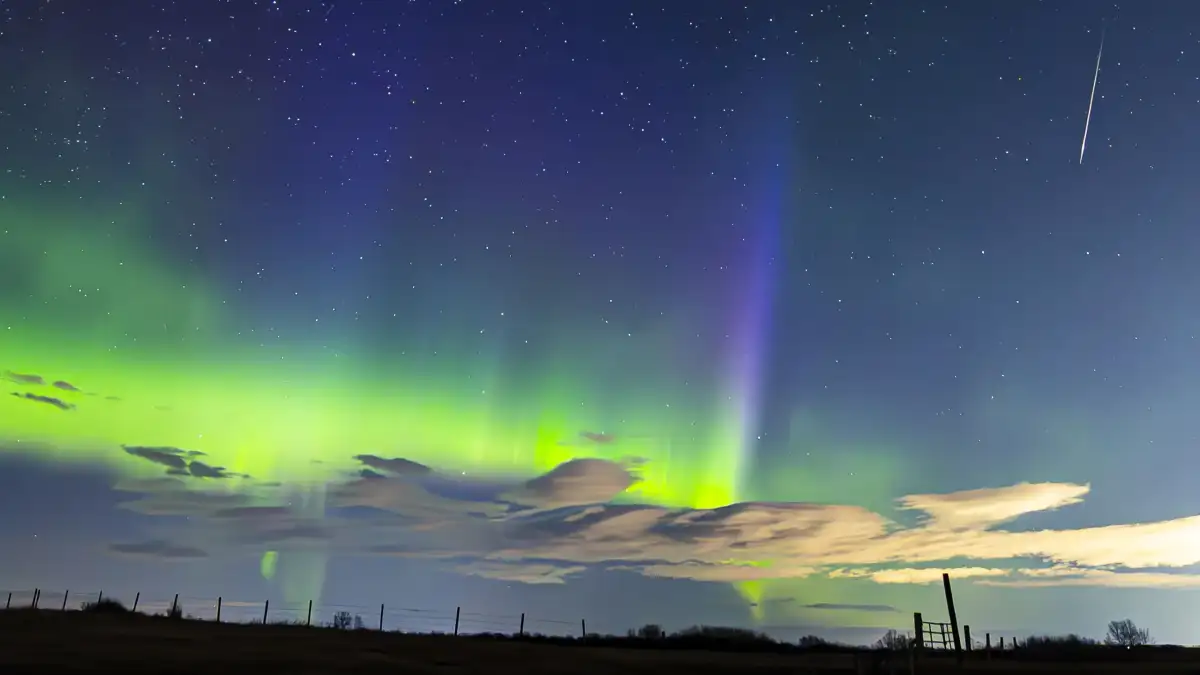
Recent weeks have seen an uptick in observed atmospheric and celestial phenomena, with reports detailing sightings of meteor showers, particularly the Lyrids, and the visual intrigue of crepuscular rays. The public, spurred by these events, has been actively sharing images, drawing attention from astronomical observatories and enthusiasts alike.
Lyrid meteor shower== provided a significant visual event, with spectacular photographs captured both from Earth and, reportedly, from space. Reports indicate a crescendo of activity surrounding the shower's peak, observed on the nights of April 21st and 22nd, 2026. The visibility of these meteors, often referred to as "shooting stars," has led to a surge in shared photographic evidence.

Fireball Season and Public Engagement
March and April appear to be particularly active for what NASA terms "fireball season." This period has prompted extensive public engagement, with many individuals capturing and sharing vivid images of these bright meteors. The phenomenon has been observed across various locations, including states like Texas, Ohio, California, and Michigan. NASA has acknowledged this influx of shared visuals, underscoring the public's interest and participation in skywatching.
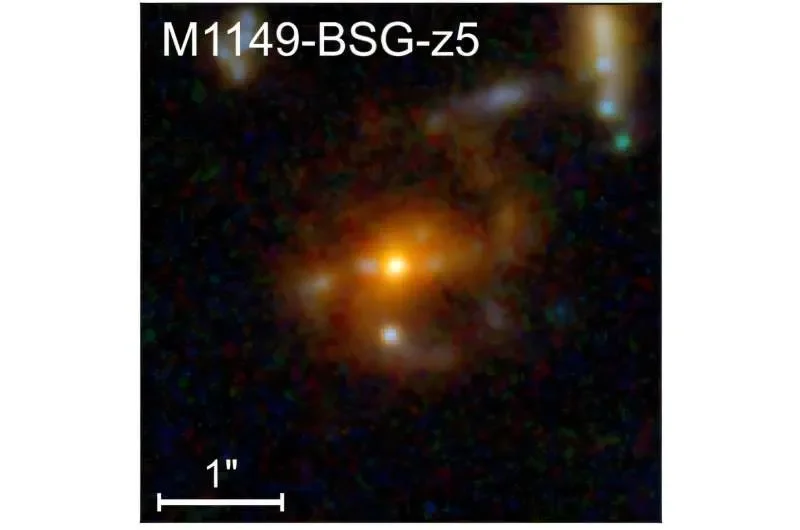
Read More: JWST Finds Oldest Barred Spiral Galaxy M1149-BSG-z5
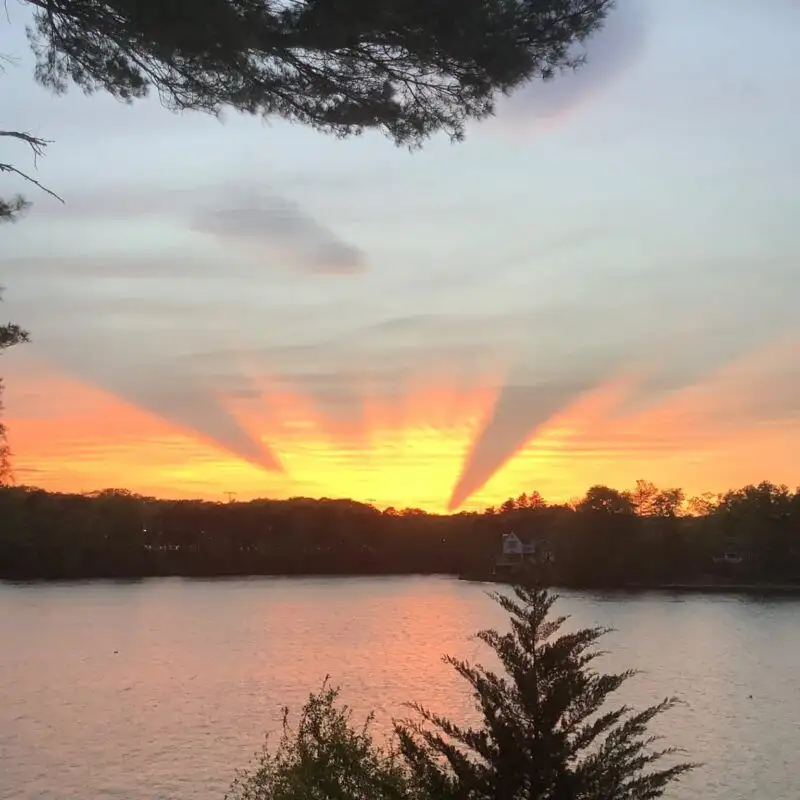
While meteors have been a focus, other sky phenomena have also been noted. These include crepuscular rays, described as sunbeams that appear to fan across twilight skies, sometimes seen when the sun is obscured by clouds. Their appearance, often described as parallel lines that seem to converge, adds another layer to the recent celestial observations.
Distinguishing Celestial Marks
The increase in skyward photography has also brought attention to the common confusion between meteors and satellite streaks. Experts point out that meteors travel at significantly higher speeds than satellites. Satellite trails, in photographic captures, tend to be more uniform, solid white lines appearing in consecutive frames, often with tapered ends.== Meteors, conversely, are typically characterized by their speed and their fiery paths.
Read More: June 2026: Venus and Jupiter Align, Moon Hides Venus
Historical and Technical Context
Previous skywatching highlights noted include a total lunar eclipse on March 3rd, 2026, and the appearance of Jupiter forming a 'T' with the Moon, Pollux, and Castor on February 27th, 2026. These events, alongside the current meteor activity, form a backdrop for ongoing astronomical observation. For those looking to capture such events, guidance exists on camera settings, including tripod use, exposure times, and manual focusing, to improve the chances of successfully photographing fleeting celestial events.