The intricate dance of global politics increasingly sidelines nations not classified as 'great powers.' This reality pressures smaller states to redefine their roles, moving from mere pawns to strategic actors capable of carving out their own space amidst the geopolitical fray. The core challenge lies in maintaining autonomy and influence without being consumed by the ambitions of larger players.
The fundamental issue facing middle powers is the imperative to find avenues for independent action and influence, a task complicated by the overwhelming gravitational pull of established great powers.
This dynamic forces a re-evaluation of traditional foreign policy. Instead of aiming for grand alliances that might drag them into larger conflicts, these nations are compelled to seek out more flexible and targeted engagements. The goal is to build leverage not through sheer military might or vast economic blocs, but through specialized expertise, strategic partnerships, and a keen understanding of specific regional or functional areas.
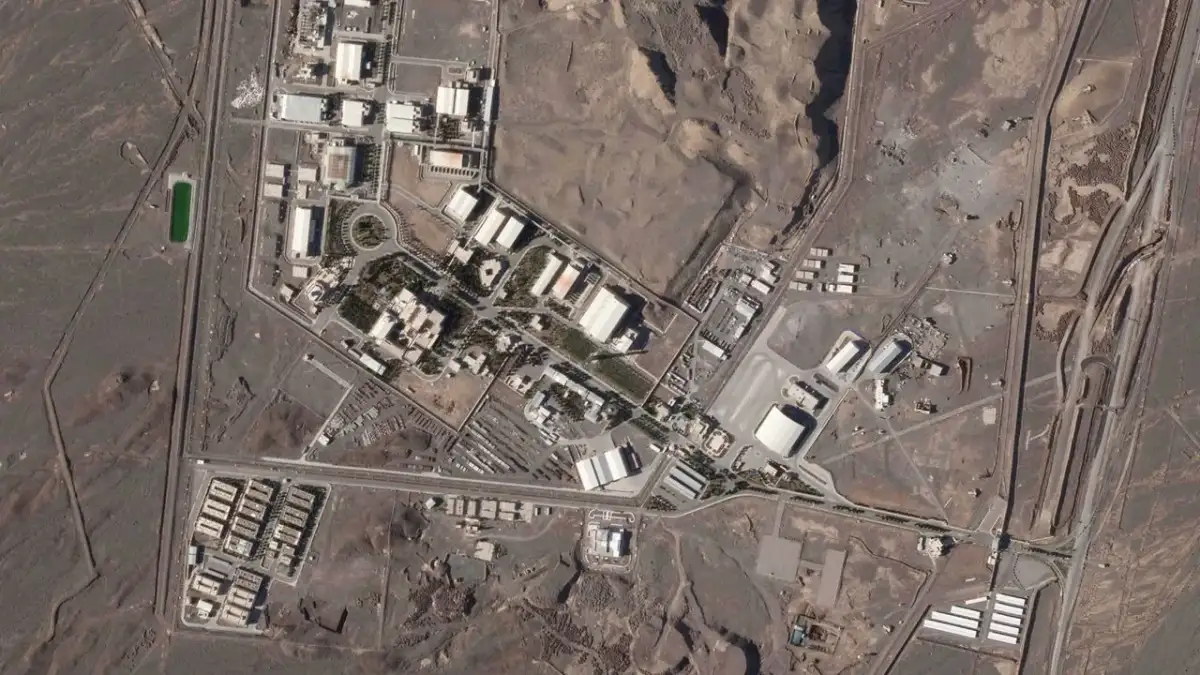
Read More: Iran Zagros Mountain Nuclear Site Construction Update April 2026
This involves identifying niches where their contributions are indispensable.
It also necessitates cultivating relationships with multiple great powers, playing them off against each other subtly to preserve space.
Furthermore, a focus on 'soft power' – cultural exchange, development aid, and norm-setting – can offer avenues for influence beyond traditional hard power metrics.
Background: The Enduring Shadow of Hegemony
Historically, the international system has been characterized by the dominance of a few major powers. The current era, often described as multipolar or unipolar-plus, continues this trend, albeit with a more complex distribution of influence. The actions and interests of powers like the United States, China, and Russia inevitably shape the environment in which smaller states operate. Middle powers, defined by their capacity to exert influence beyond their immediate region but lacking global reach, find themselves at a critical juncture. Their ability to thrive or merely survive depends on their adaptability and willingness to pursue innovative strategies, moving away from the outdated playbook of simply aligning with the strongest force.



:max_bytes(150000):strip_icc()/QXO_2026-04-08_09-47-16-fe06f65f7ca14c698778b032c7a075a6.png)