

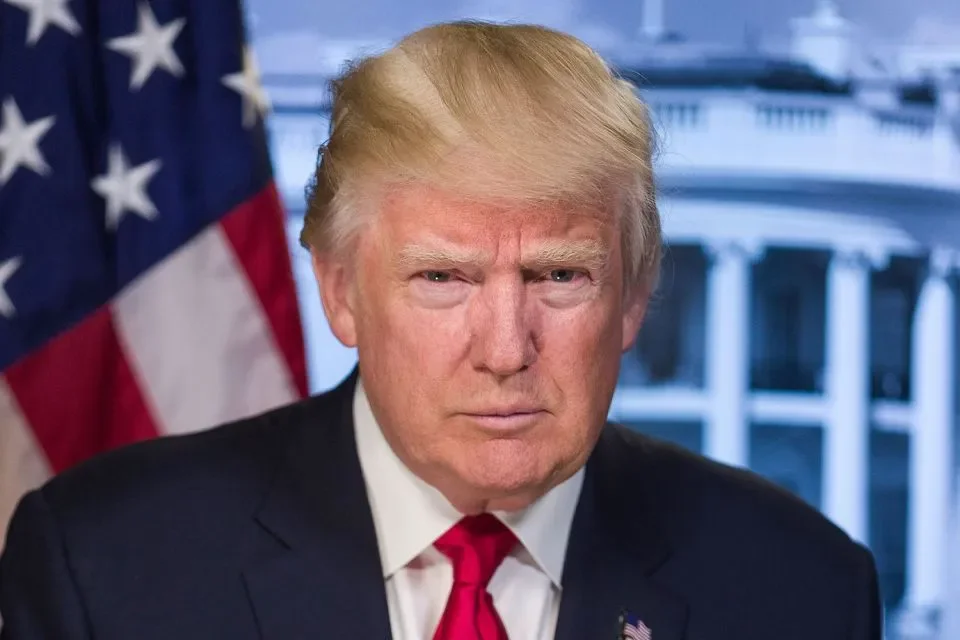
GLOBAL ENERGY MARKETS SHIFT AMID IRAN CONFLICT, TRUMP'S STATEMENTS
Crude oil prices have seen significant volatility, hitting a four-year high of $126 a barrel on April 30th, 2026, following former President Trump's assertion that the US blockade of Iranian ports could extend for months. This surge, the highest since Russia's 2022 invasion of Ukraine, has been further influenced by statements from Trump suggesting prices could reach $200-$250 per barrel, a level he deems acceptable to prevent Iran from acquiring nuclear weapons.

Trump's pronouncements have become a key factor in market sentiment, with traders oscillating between expectations of a diplomatic resolution and the stark reality of supply constraints.
These comments come amidst an ongoing conflict in the Middle East, which began with US-Israeli attacks on Iran on February 28th, 2026.
The situation has seen the Strait of Hormuz become a focal point, with both Iran and the US asserting control over the vital waterway.
MARKET REACTION TO TRUMP'S STANCE
Oil prices have reacted inversely to Trump's pronouncements on a potential resolution. Statements hinting at an end to hostilities have led to prices falling, while threats of escalated conflict have driven them upward. For instance, on May 4th, oil prices saw a dip following Trump's suggestion that the Strait of Hormuz would be open to all if Iran agreed to terms, only to become volatile again as the market grappled with the underlying conditions. Conversely, threats of prolonged blockades have consistently pushed prices higher.
Read More: Middle Nations Now Find New Ways to Be Strong in Global Politics

On May 6th, oil prices eased somewhat after Trump posted on social media that the Strait of Hormuz would be open to all "Assuming Iran agrees to give what has been agreed to", while warning of intensified conflict if a deal wasn't struck.
This announcement came as Iran's Revolutionary Guards Navy stated safe transit would be ensured with the end of US threats and new procedures.
However, the market remains sensitive, with incidents like an attack on a South Korean-linked ship in the Strait of Hormuz shortly after Trump's announcement highlighting persistent risks.
ECONOMIC IMPLICATIONS AND TRUMP'S RHETORIC
Trump has framed the potential for higher oil prices not as a failure, but as a necessary cost to avert a greater threat: Iran's nuclear capabilities. He has stated that "$200 oil is better than Iran's nuclear weapons" and that rising gas prices are "a very small price to pay."

"There is nothing worse than nuclear weapons that destroy cities. Trump: It's okay, it's just that fuel will become a little more expensive."
"Trump: I'd rather have oil at $200 than Iran with nukes."
This perspective contrasts with the economic reality faced by many, as a majority of Americans report cutting spending due to high gas prices. Trump, however, has expressed satisfaction that oil prices have not risen as dramatically as he initially anticipated, suggesting they "could or should actually be twice as expensive."

DIPLOMATIC EFFORTS AND STALLED TALKS
Efforts to resolve the conflict appear to be at a standstill. Reports indicate that Iran's president, Masoud Pezeshkian, has expressed "complete distrust of the United States" due to previous attacks during negotiations. Simultaneously, Trump administration officials have been engaged in discussions with Congress regarding authorization for the war.
Read More: Oil Price Near $106 Per Barrel Due to Strait of Hormuz Closure
Trump has suggested that economic pressure from the ongoing blockade is intended to force Iran to accept a deal on his terms.
Russian President Vladimir Putin has reportedly expressed a desire to help remove Iran's enriched uranium, a detail Trump shared with reporters.
The duration of the conflict remains uncertain, with earlier administration statements suggesting a four-to-six-week timeline, while market observers anticipate higher prices could persist for at least six months.
BACKGROUND
The current escalation follows US-Israeli attacks initiated on February 28th, 2026. The conflict has disrupted global trade routes, particularly through the Strait of Hormuz, a critical chokepoint for oil transportation. Iran's response has included actions that have impacted shipping, leading to the US implementing a blockade and various security operations. The situation is compounded by broader geopolitical tensions and concerns over Iran's nuclear program, a long-standing issue that Trump has prioritized resolving through forceful means.


:max_bytes(150000):strip_icc()/QXO_2026-04-08_09-47-16-fe06f65f7ca14c698778b032c7a075a6.png)