:max_bytes(150000):strip_icc()/QXO_2026-04-08_09-47-16-fe06f65f7ca14c698778b032c7a075a6.png)
Financial markets have experienced significant upheaval following a series of aggressive threats and a subsequent, albeit fragile, two-week ceasefire agreement between the United States and Iran. Stock indexes, particularly the Dow Jones Industrial Average, saw substantial jumps, with one report noting a surge of 1,300 points on Wednesday, marking its best day since April 2025. This rally coincided with a sharp plunge in oil prices, with reports indicating a drop below $100 per barrel.
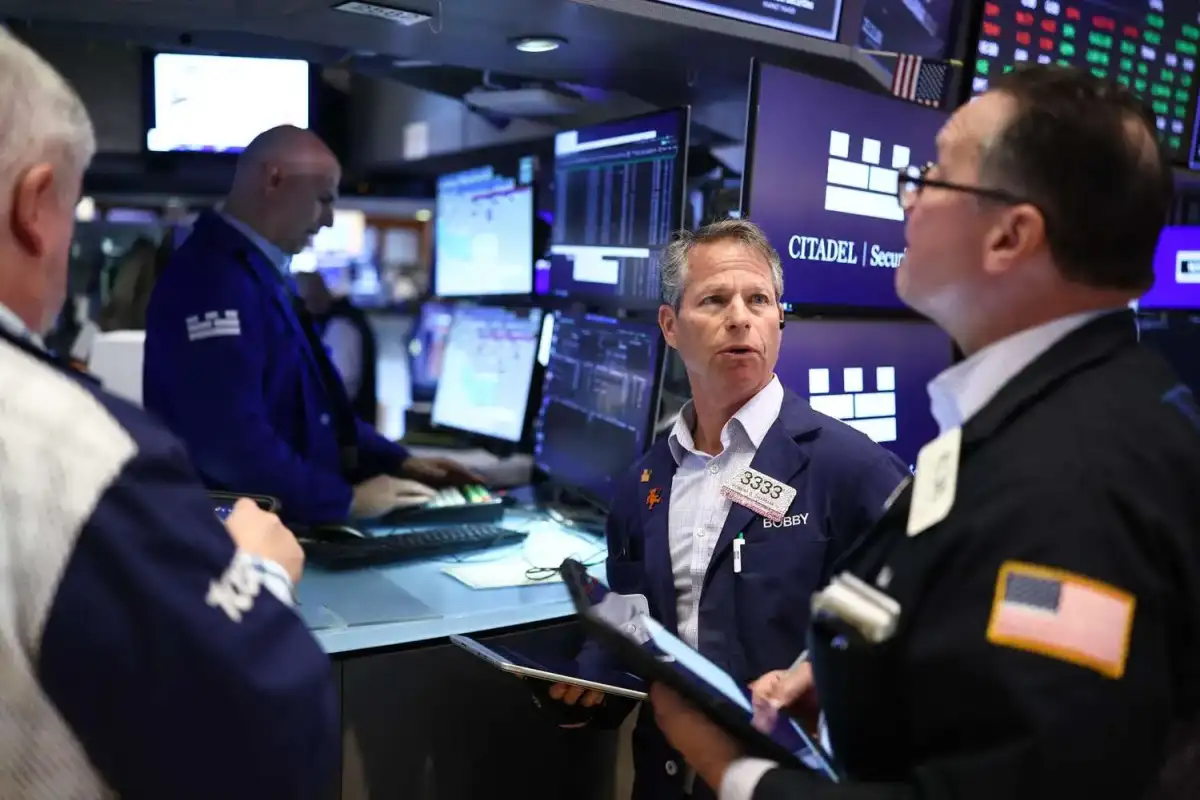
The immediate market reaction to the announced ceasefire was a wave of relief, as reflected in the soaring stock values and sinking oil prices. This suggests a global economy highly sensitive to the conflict's escalation. The apparent de-escalation, however, appears to be a temporary pause rather than a definitive resolution, with underlying tensions and skepticism fueling continued volatility.

Brief Respite Amidst Deepening Distrust
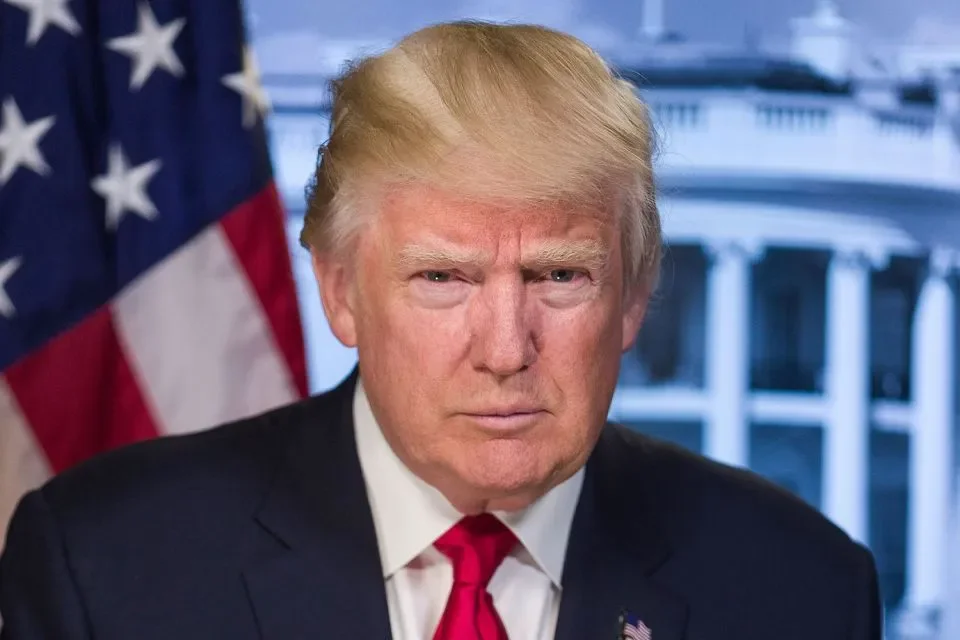
President Donald Trump announced the suspension of attacks on Iran for two weeks, a move that immediately stabilized global energy markets and boosted stock prices. Iran's parliamentary speaker, Mohammad Bagher Ghalibaf, confirmed agreement on a two-week ceasefire, provided all attacks against Iran cease. This conditional accord, announced on the cusp of Trump's imposed deadline, also stipulated Iran's reopening of the Strait of Hormuz, a crucial global energy supply route.
Read More: Solaris Energy SEI Stock Price Forecast Reaches $91.98 by July 2027

However, significant distrust remains. Iran's state news agency Fars reported that oil tanker traffic through the Strait of Hormuz had ceased following an Israeli attack on Lebanon, raising immediate doubts about the ceasefire's effectiveness. Iran's Supreme National Security Council reportedly agreed to reopen the waterway for two weeks contingent on a complete halt to all attacks. This highlights the precarious nature of the agreement, with actions in adjacent regions directly impacting its perceived stability.
Economic Ramifications and Market Jitters
The conflict's impact on global energy supplies had previously sent oil prices soaring, with concerns about shortages and rationing emerging in Europe and Asia. Reports from last week described fuel shortages forcing Italy to limit supplies at several airports, while Asian nations were already rationing energy. The International Energy Agency (IEA) described the resulting oil and gas crisis as worse than previous significant global events.
Read More: Middle Nations Now Find New Ways to Be Strong in Global Politics
The market's response to the ceasefire news was not uniform. While broad stock indexes rallied, energy stocks that had previously surged due to the conflict experienced a downturn. The U.S. dollar saw a slight rise against the Japanese yen following the ceasefire announcement. Treasury yields also eased in the bond market, though they remained elevated compared to pre-conflict levels.
A History of Volatility and Rhetoric
The recent ceasefire marks a temporary shift after weeks of escalating tensions and volatile market swings. Earlier in the week, stock futures had dropped as fuel shortages spread, exacerbated by Trump's increasingly stark threats against Iran, including warnings of "apocalyptic" consequences and the potential destruction of Iran's "whole country" and "power plants." These pronouncements were met with equally forceful responses from Iranian officials, warning of regional conflagration.
The period preceding the ceasefire saw markets swinging wildly between hope and panic. Trump's initial threats of widespread destruction were followed by news of a potential ceasefire brokered by Pakistan, which proposed a two-week deal including the reopening of the Strait of Hormuz and a halt to U.S. strikes. This news caused oil to reverse earlier gains and stocks to trade flat, demonstrating the market's acute sensitivity to any perceived de-escalation. The conflict's duration was also a point of concern, with reports suggesting it could drag on for months, potentially into the next year, and involve allies like Russia providing Iran with targeting information and drones.
Read More: Rocket Companies brand update in April 2026 changes logos and names