Investigations into the recent update of electoral rolls, known as the Special Intensive Revision (SIR), show a growing dispute between election officials and political parties. Leaders in Karnataka, Kerala, and West Bengal claim that many people have lost their right to vote without proper warning. While the Election Commission of India (ECI) states these updates are necessary for a clean voting system, critics argue the process is messy and separates families across different polling locations. The situation has moved from local complaints to the Supreme Court, where judges are balancing the need for correct lists with the rights of citizens to vote.
Timeline of Events and Key Figures
The current dispute centers on the Summary Intensive Revision (SIR), a process used to update and fix the lists of people allowed to vote.
July 2025: The Election Commission rejects claims of cheating in Karnataka made by opposition leader Rahul Gandhi.
August 2025: The ECI holds a rare press conference to defend its reputation.
September – October 2025: KPCC President Sunny Joseph objects to the SIR in Kerala, calling it "politically motivated."
November 2025: The Supreme Court rules that the ECI has the legal power to conduct the SIR but will fix any proven errors.
January 2026: West Bengal Chief Minister Mamata Banerjee asks for the process to stop, citing "mass loss of voting rights."
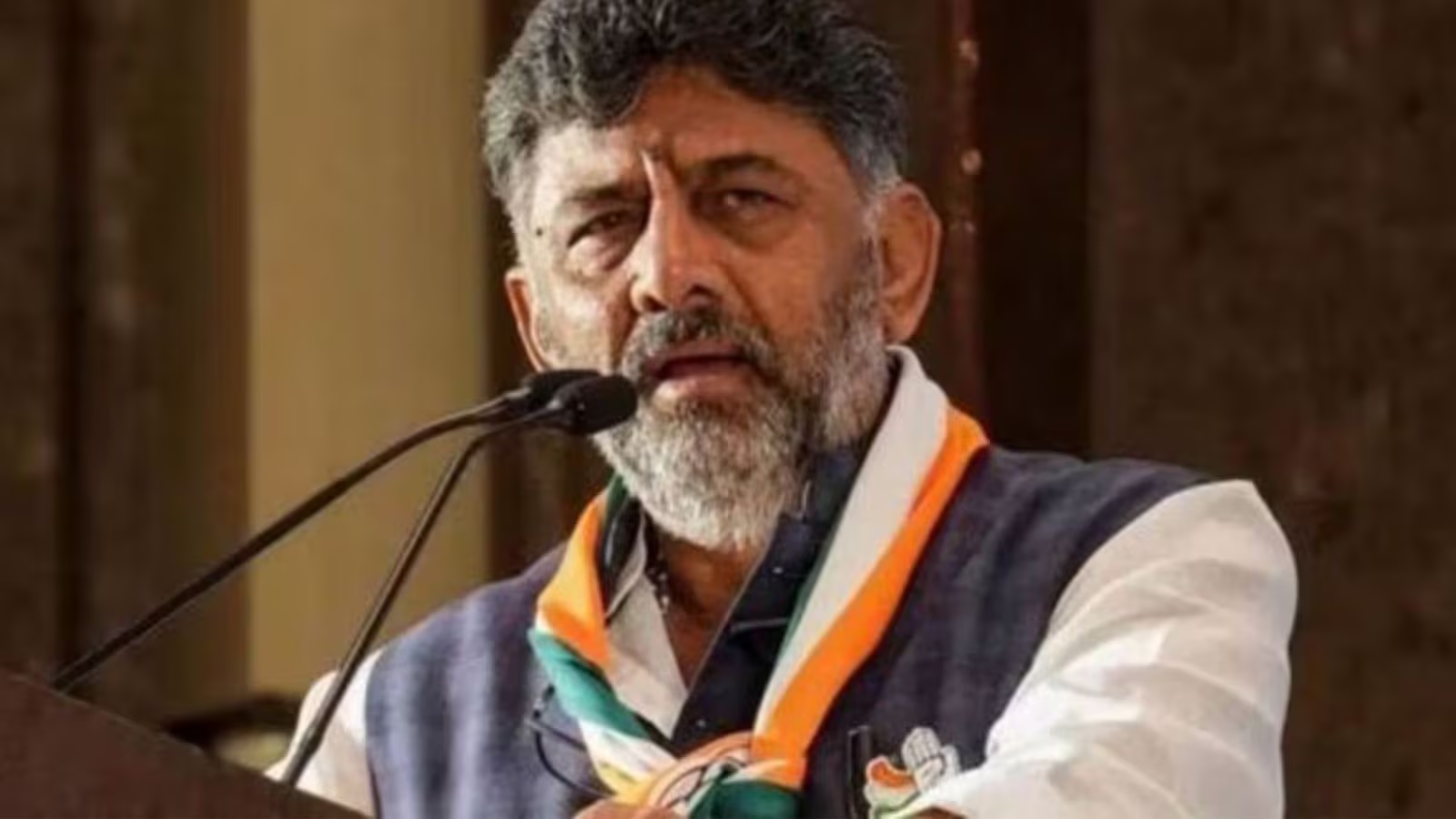
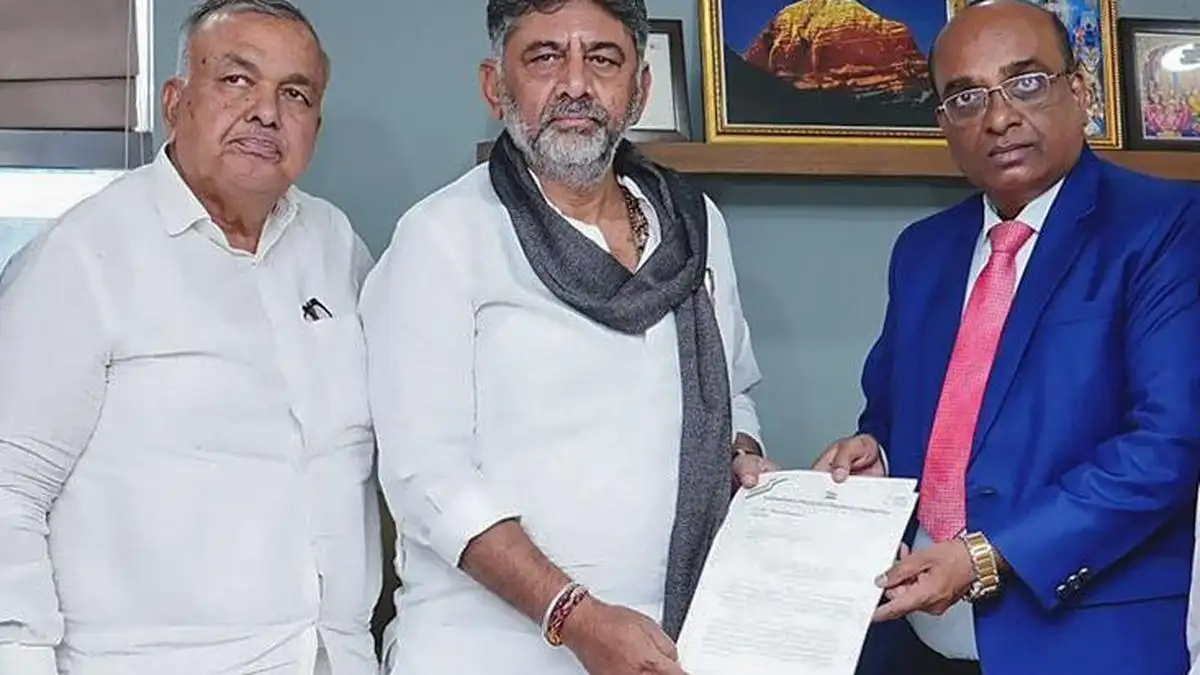
February 2026: D.K. Shivakumar (Deputy CM of Karnataka) files a formal complaint regarding the Greater Bengaluru Area (GBA).
| Key Figure | Organization | Main Action |
|---|---|---|
| Gyanesh Kumar | Chief Election Commissioner | Ordered records to be kept for 5 years to ensure accountability. |
| D.K. Shivakumar | KPCC President / Karnataka Dy CM | Demanded an audit of voter deletions in Bengaluru. |
| Mamata Banerjee | West Bengal CM (TMC) | Warned that the SIR process is "deeply compromised." |
| Sunny Joseph | KPCC President (Kerala) | Claimed the process forces unnecessary hardship on elderly voters. |
| Surya Kant | Supreme Court Justice | Confirmed ECI's authority but offered to review irregularities. |
Evidence of Electoral Roll Discrepancies
Evidence from political party reports and official records indicates significant changes in voter data across several states.
Read More: Iowa Podcast Discusses Trump Tax Plan and Joni Ernst's Stance on Iran
"A significant number of genuine voters have been removed from the rolls without due notice or verification." — D.K. Shivakumar in a letter to the Election Commission.
Family Separation: In Bengaluru, reports show members of the same household being assigned to different polling booths, sometimes in different parts of the city.
Large-Scale Deletions: In Tamil Nadu, Chennai district alone saw 14.36 lakh voters removed from the draft list.
The ASD List: In Kerala, over 24 lakh voters were placed on the "Absent, Shifted, and Dead" (ASD) list, which marks them for potential removal.
Re-verification Demands: Leaders in Kerala claim that voters registered after 2002 are being asked to provide documents again, affecting roughly 55 lakh people.
The core issue is whether these removals are based on clerical errors or a systematic failure to follow field verification rules.

Disruption of Household Voting Units
In the Greater Bengaluru Area, the revision process has reportedly broken the standard practice of keeping families together at one polling station. D.K. Shivakumar and other legislators highlighted that residents at the same address now find themselves scattered across various booths.
This causes two main problems:
It creates confusion for families who usually travel to vote together.
It may lower voter turnout because the process becomes too difficult or time-consuming.
Political workers have asked the Election Commission to use digital mapping to ensure that a residence and its voters stay linked to a single, nearby booth. Is it possible that the software used for delimitation (changing boundaries) failed to account for household addresses?
Administrative Hardship and Verification Barriers
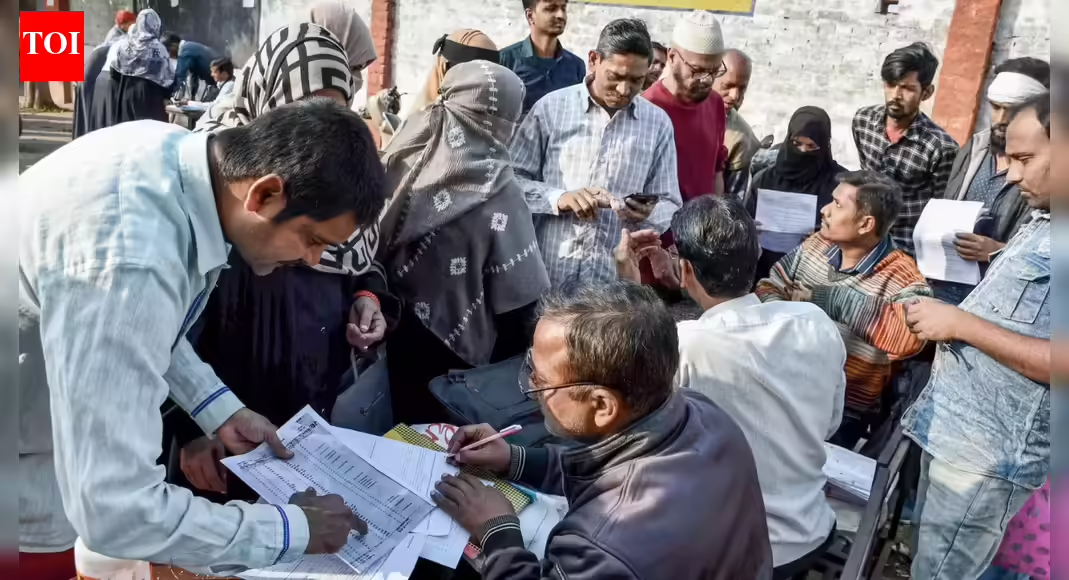
In Kerala and West Bengal, the focus is on the "harrowing" nature of the verification process. KPCC delegates argued that the ECI is summoning voters for personal hearings due to small clerical or software mistakes.
Read More: India Child Health Warning 2024: Poor Diets Cause Adult Diseases in 2 in 3 Kids
Hardship for Vulnerable Groups: Elderly and rural voters find it difficult to travel to government offices to prove their identity for a second or third time.
Document Requirements: Critics like Kapil Sibal (arguing in the Supreme Court) pointed out that millions of people who cannot read or write struggle to fill out the complex enumeration forms.
Lack of Training: Mamata Banerjee alleged that the officials in charge of the revision were not properly trained, leading to inconsistent instructions across different districts.
The Conflict Between Authority and Accountability
The Supreme Court and the Chief Election Commissioner (CEC) have taken firm positions on the legality of the revision.
The Legal View:The Supreme Court rejected arguments that the SIR was unconstitutional. The court stated that keeping the voter list correct is a necessary task. However, the court did not ignore the complaints, stating it would order "corrective measures" if specific errors were brought to its attention.
The CEC’s Directive:CEC Gyanesh Kumar has introduced a new level of accountability. He mandated that all records from the current revision must be kept for five years. He warned that District Magistrates (DMs) would be held personally responsible for unauthorized documents or deliberate errors. This suggests the ECI recognizes that mistakes—or intentional wrong-doing by local officials—are possible.
Read More: BRS Leader Asks Union Minister to Probe Chief Minister Over ₹2,500 Crore Contracts
Expert Analysis
Institutional Credibility: The Election Commission is currently navigating what some call a "test of credibility." According to reports from the BBC, the institution—traditionally very trusted—is facing increased pressure to be more transparent. The Supreme Court's order for the ECI to publish a searchable list of voters with reasons for their removal is a sign that the court wants more public oversight.
Political Strategy: Political experts note that these complaints often increase before major elections. With polls approaching in Assam, Kerala, and West Bengal, parties are highly sensitive to voter list changes. The Voter Adhikar Yatra (Voter Rights March) led by Rahul Gandhi shows that the opposition intends to make voter list accuracy a major campaign issue.
Read More: India LPG Shortage: Cold Stoves as State Gas Supply Delays Hit Homes
Summary of Findings
The investigation into the electoral roll revisions reveals a deep divide between administrative goals and public experience.
Confirmed Actions: The Election Commission is using its legal power to clean voter lists. CEC Gyanesh Kumar has warned staff of strict punishments for any "deliberate lapses" found in the next five years.
Reported Failures: Political parties in three major states have provided evidence of family members being split across booths and voters being deleted without being told.
Unresolved Questions: It remains unclear if the large-scale deletions are mostly due to people moving/dying (as the ECI suggests) or if genuine voters are being caught in a flawed software process.
Next Steps:The Election Commission has been asked to allow party-appointed agents to join field verifications. The result of the requested audits in Bengaluru and the Supreme Court’s ongoing interest will likely determine if the current voter lists are accepted as fair before the next round of elections.
Sources
KPCC Chief Doubts Lapses In Electoral Rolls - Deccan Chronicle (Complaint regarding Bengaluru voter deletions)
Karnataka Dy CM seeks audit of voter name deletion - Economic Times (Details on household distribution issues)
Congress' Kerala unit seeks urgent ECI intervention - Prokerala (Reports on chaotic ward delimitation)
Election Commission's New Directive - Devdiscourse (CEC mandate on 5-year record keeping)
EC empowered to conduct SIR; we will fix flaws: SC - Times of India (Supreme Court legal ruling on SIR)
Mamata urges CEC to halt Bengal SIR - The Federal (West Bengal's stance on mass disenfranchisement)
Election Commission credibility test - BBC (Analysis of public trust and political protests)
Pattern in Deletions: Electoral Roll Controversy - Outlook India (Data on ASD lists and Chennai deletions)