The US House of Representatives has voted to limit President Donald Trump's ability to wage war in Iran, a rare congressional rebuke of presidential military authority. The resolution, passed by a narrow margin of 215-208, seeks to halt further military action and requires Trump to obtain congressional approval for continued involvement. This marks a significant challenge to the executive branch's war-making capabilities, underscoring a growing divide within both parties over the conflict.

The vote, which saw a united front of Democrats joined by four Republicans, signals a lack of resolve even within Trump's own party to continue the war without further legislative oversight. This development has put Trump in a position of being "increasingly boxed in," limiting his options in a way Congress rarely has before. The White House has dismissed the resolution's merits, framing the vote as an "unpatriotic" move.
Read More: Taiwan Holds Nantou County Drills to Prepare for State Collapse

Republicans who crossed party lines to support the measure include Thomas Massie, Brian Fitzpatrick, Tom Barrett, and Warren Davidson. Their defection, alongside the Democratic majority, underscores the bipartisan nature of the opposition to Trump's handling of the Iran conflict. This rare display of congressional assertiveness sends a blunt message to the White House.
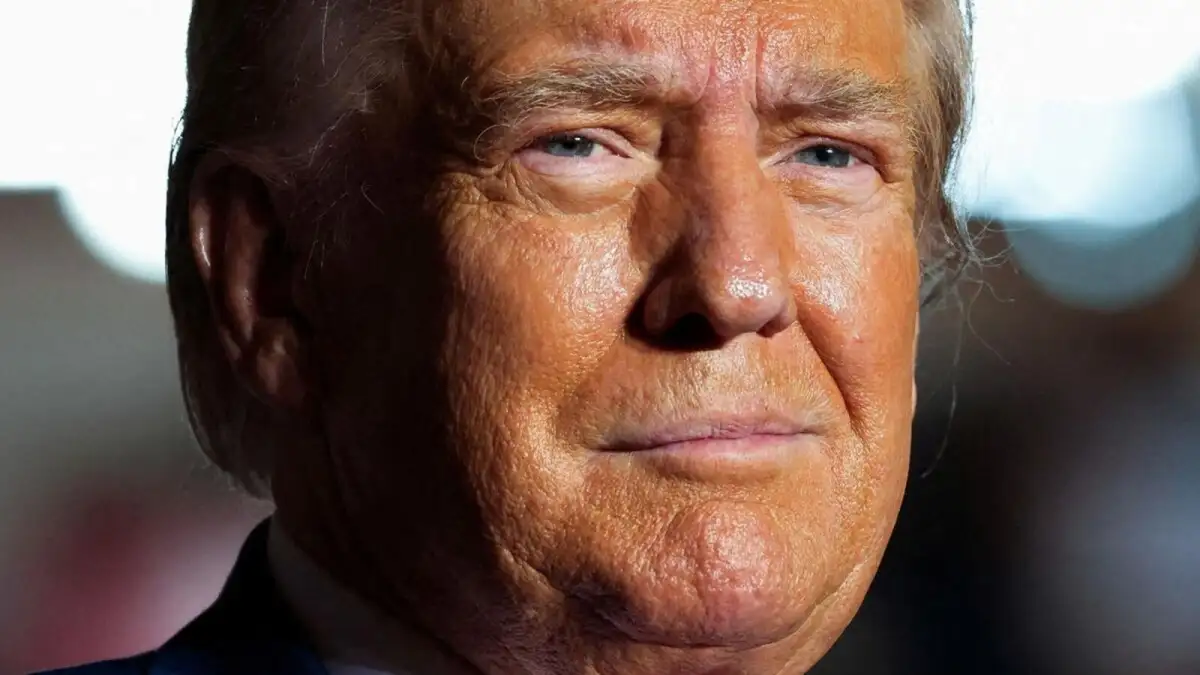
While the House has taken a stance, the immediate impact on ongoing military operations remains uncertain. The White House's dismissal suggests a potential for continued executive action, despite the legislative challenge. The situation highlights the ongoing tension between the executive and legislative branches over foreign policy and the deployment of military force.
Background:Recent weeks have seen shifting dynamics in the Iran conflict. Reports suggest attempts at diplomatic solutions, with Trump claiming to have intervened in a dispute between Israel and Lebanon to prevent escalation. However, these efforts have been met with mixed success, as Israel has indicated a continued operational stance. The broader context includes discussions of peace talks and a potential deal with Iran, though disagreements over "red lines" and ongoing actions complicate these possibilities. This congressional action comes amid a complex web of diplomatic overtures, military engagements, and political maneuvering surrounding the Iran conflict.
Read More: AFP Reviews War Crime Claims Against Australian in Gaza